
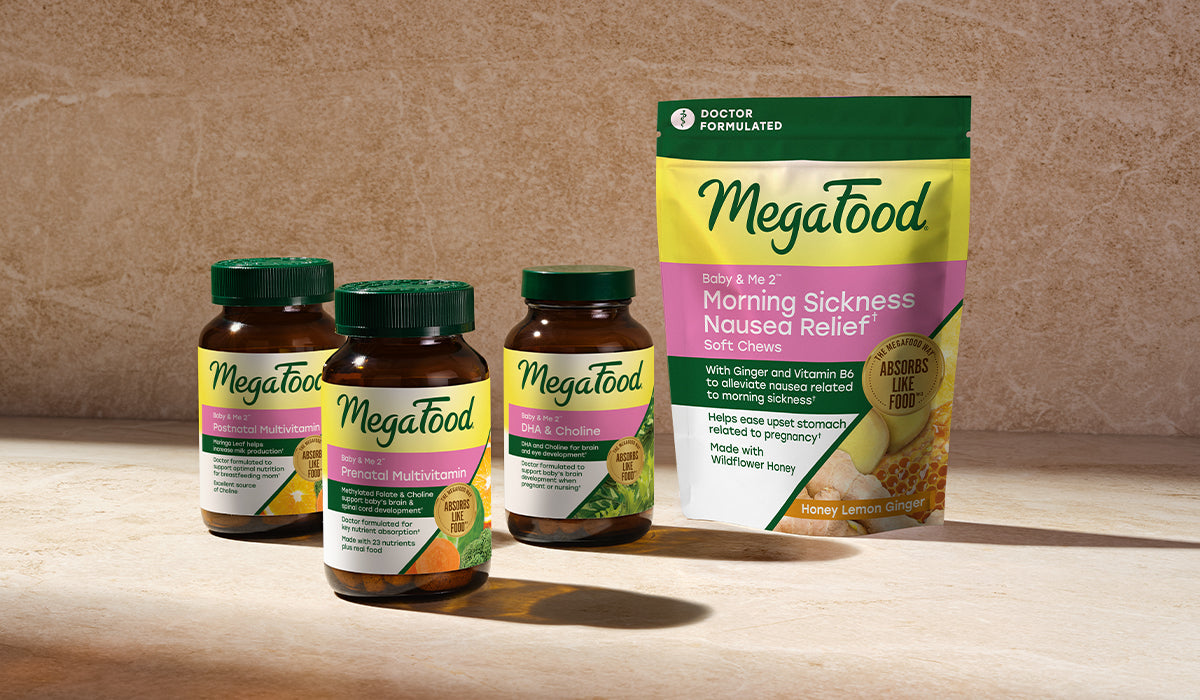
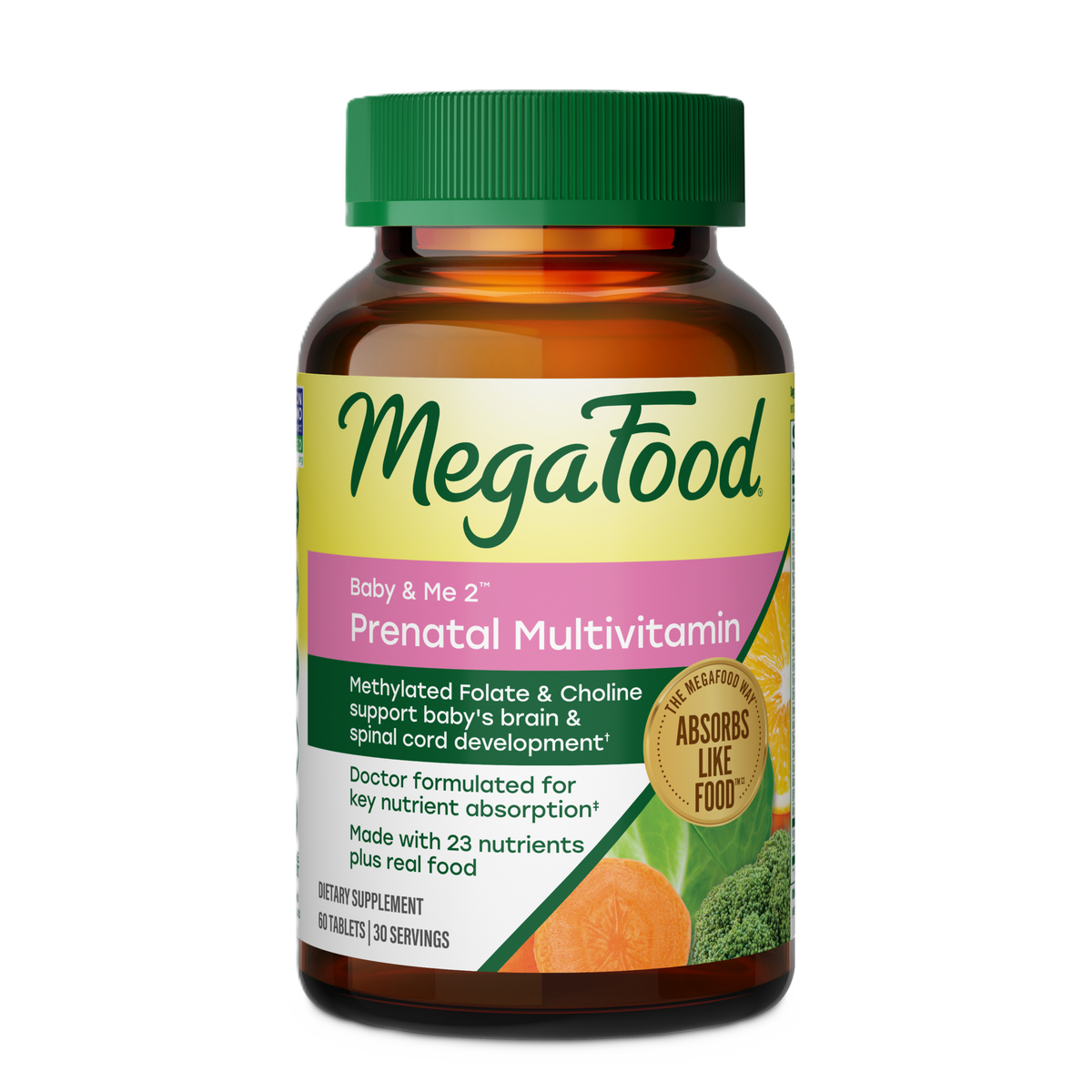
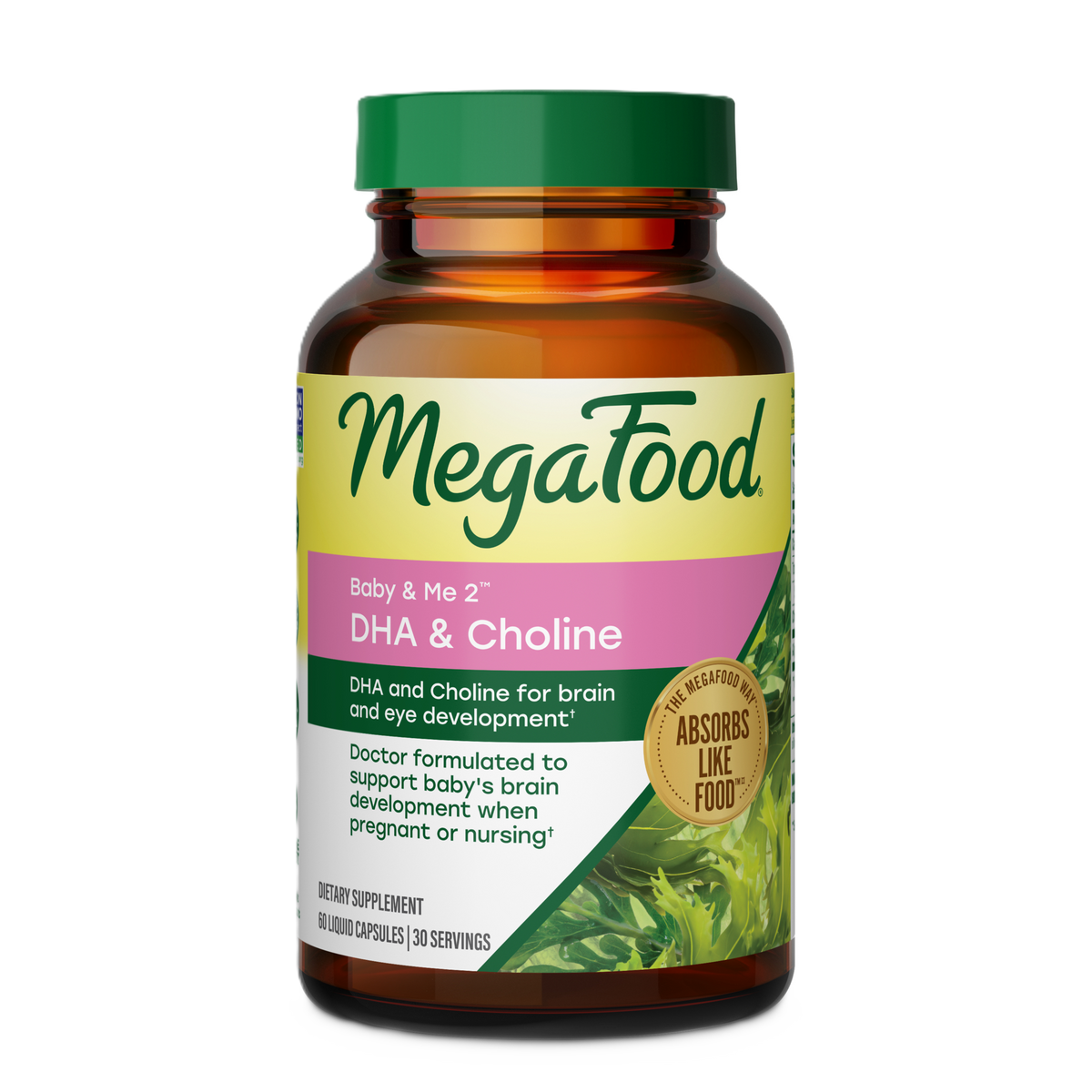
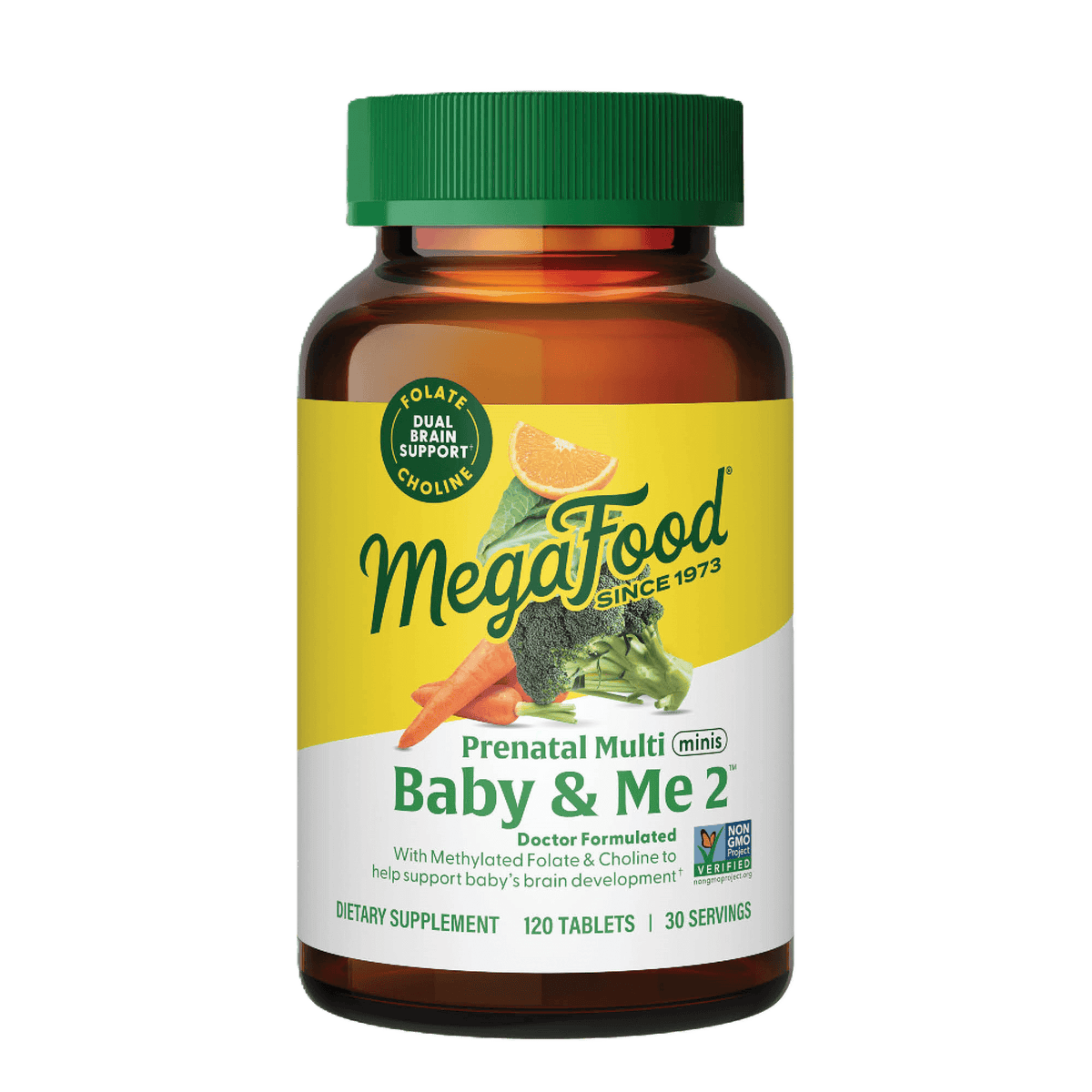
Choosing a prenatal shouldn’t feel overwhelming. Still, with so many options available, it’s easy to feel unsure about what actually matters and what doesn’t. Fortunately, you don’t need to understand every ingredient or compare dozens of labels to make a thoughtful choice. This guide walks through the basics of prenatal vitamins in plain language, so you can feel more confident navigating your options.
What is a prenatal, and why would you take one?
A prenatal vitamin is a type of multivitamin designed to support nutritional needs before and during pregnancy, and often postpartum as well. Its role isn’t to replace a balanced diet, but to help fill larger nutrient gaps that can be harder to meet consistently during this stage of life.
Pregnancy places increased demands on certain nutrients, especially those involved in early development, red blood cell production, and bone health. Prenatal vitamins are formulated with these needs in mind, which is why they differ from standard multivitamins. Many people choose to start a prenatal before pregnancy, since early development happens very early, sometimes before pregnancy is confirmed.
Which nutrients matter most in a prenatal?
Not every nutrient in a prenatal carries the same weight. You don’t need to memorize numbers or optimize everything—knowing what to look for is enough.
Below are some of the nutrients most commonly emphasized during pregnancy, and why.
Folate (Vitamin B9)
Folate, also known as vitamin B9, is part of the B-vitamin family and supports normal cell growth and division. Early in pregnancy, folate is particularly needed for neural tube development, the structure that becomes the baby’s brain and spinal cord. This process occurs often before a woman knows she’s pregnant and low folate during this time can dramatically increase risks of neural tube defects. It also plays a vital role in DNA synthesis and the development of the placenta.
You may see folate and folic acid referenced together. They are related forms of the same vitamin, and both contribute to overall folate intake. Folic acid is the synthetic form that is common in supplements and fortified food which has been widely studied and is commonly recommended in pregnancy. Folate is the natural version that exists in food.
After intake, folic acid is typically converted by the body into the active form of folate that supports normal biological functions. People differ in how efficiently this conversion occurs, which is why prenatal vitamins may use different folate forms. During pregnancy, intake around 600 micrograms DFE (Dietary Folate Equivalent) per day is commonly recommended, a level that can be difficult to reach through food alone.
Iron
Iron is a mineral that supports healthy red blood cell production and oxygen transport throughout the body. During pregnancy, iron needs increase substantially from 18mg per day to 27 mg per day as blood volume expands and as the developing baby draws on iron stores, making it essential for prenatal supplementation.
Iron comes in different forms, and how it’s formulated can affect how well it’s tolerated. Chelated forms of iron, such as iron bisglycinate, are bound to an amino acid, which can make them gentler on the digestive system for some people.
Digestive discomfort from iron supplements has been associated with a lack of adherence to consistent supplementation. If digestive discomfort has been a concern with iron in the past, looking for a prenatal that includes a chelated iron form may be worth considering.
Choline
Choline is an essential nutrient that supports brain structure and brain functions that are related to learning, cognitive, and memory functions throughout life. It is also important for infant eye development. During pregnancy, choline needs are higher than in non-pregnant stages to support these increased demands.
Because it can be challenging to consistently reach ideal choline intake through diet alone (fewer than 10% of women are reported to get adequate intake1), many people look for a prenatal that includes choline as part of its formula. If choline intake remains a concern, additional choline from food or a separate supplement may be considered based on individual needs and guidance from a healthcare provider. If these weren’t reason enough to prioritize choline, evidence shows that choline supplementation is linked to improved DHA status in pregnant women—another vital nutrient for pregnancy2.
DHA (Docosahexaenoic Acid)
DHA is an omega-3 fatty acid that supports fetal brain and eye development, especially during the later stages of pregnancy when brain growth accelerates. It is a structural component of the brain and retina and plays an important role in normal cognitive and visual development.
The body makes only small amounts of DHA on its own, and dietary intake can be inconsistent. DHA is found in fatty fish and algae, but many people don’t consume enough through food alone. For this reason, DHA is often included in prenatal supplements or taken separately alongside a prenatal. Many experts suggest an intake of about 200–300 mg per day during pregnancy, though individual needs may vary.
Vitamin D
Vitamin D supports bone health by helping the body absorb and use calcium, an important process during pregnancy as both parent and baby’s skeletal needs increase.
Vitamin D status can vary widely depending on sun exposure, geographic location, diet, and other factors. Because consistent intake from food and sunlight alone can be difficult, many people look for a prenatal that includes vitamin D as part of their daily routine.
Beyond Nutrients: how to choose something you’ll actually take
The nutrient list matters, but it’s only part of the picture. When comparing prenatals, it can help to think about a few practical questions.
Does this fit my dietary preferences or restrictions?
If you follow a vegetarian or vegan diet, or avoid certain ingredients for personal, cultural, or religious reasons, check whether a prenatal aligns with those needs. Some prenatals include animal-derived ingredients, while others do not.
Am I comfortable with the ingredients and allergen information?
If food allergies or sensitivities are a concern, look closely at allergen statements and ingredient lists. Clear labeling and transparent sourcing can make it easier to feel confident in what you’re taking.
How was this prenatal formulated?
Not all prenatals are designed the same way. Some are developed with clinical or medical oversight, while others are not. A thoughtful formulation often considers nutrient forms, amounts, and how they work together, rather than simply including as many nutrients as possible. Look for prenatals that are doctor-formulated if that is important to you.
What do quality and testing look like?
Quality practices matter, especially during pregnancy. Looking for information about third-party testing, manufacturing standards, and quality verification can help ensure a prenatal meets established purity and safety benchmarks. Many brands share details about how their supplements are tested and produced.
Can I realistically take this every day?
Digestion can be more sensitive during pregnancy, especially in the first trimester. Nausea, food aversions, and changes in appetite can all affect how easy it feels to take a supplement.
Some people do well with traditional tablets, while others prefer smaller tablets, chewables, or gummies. It can also be helpful to look for a prenatal that can be taken at any time of day, including on an empty stomach. Choosing a format that feels manageable and comfortable supports consistency.
At the end of the day, the best prenatal for you and your baby is the one you’ll take every day. Format can play a big part in helping you support your nutritional needs in a way that actually works for you.
The bottom line
Prenatal vitamins are meant to support nutritional needs during pregnancy, not add stress or confusion. You don’t need the perfect prenatal—you need one that focuses on key nutrients, is thoughtfully formulated, and fits into your daily life.
That’s enough. Shop our full line of our prenatal options.
Resources
1. Wallace TC, Fulgoni VL. Assessment of Total Choline Intakes in the United States. J Am Col Nutr. 35:2, 108-112, 2016.
Dyer RA, Devapatla S, Vidavalur R, Brenna JT, Caudill MA. Prenatal choline supplementation improves biomarkers of maternal docosahexaenoic acid (DHA) status among, pregnant participants consuming supplemental DHA: a randomized controlled trial. Am J Clin Nutr. 116:820, 2022.




Leave a comment
This site is protected by hCaptcha and the hCaptcha Privacy Policy and Terms of Service apply.