
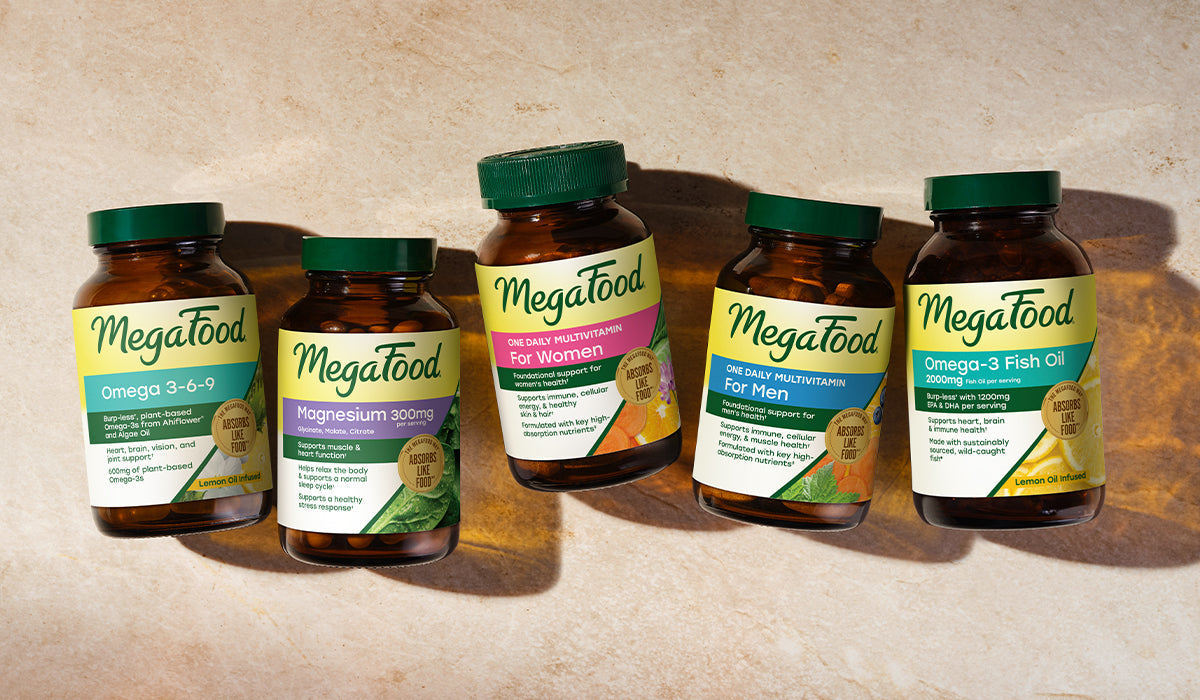
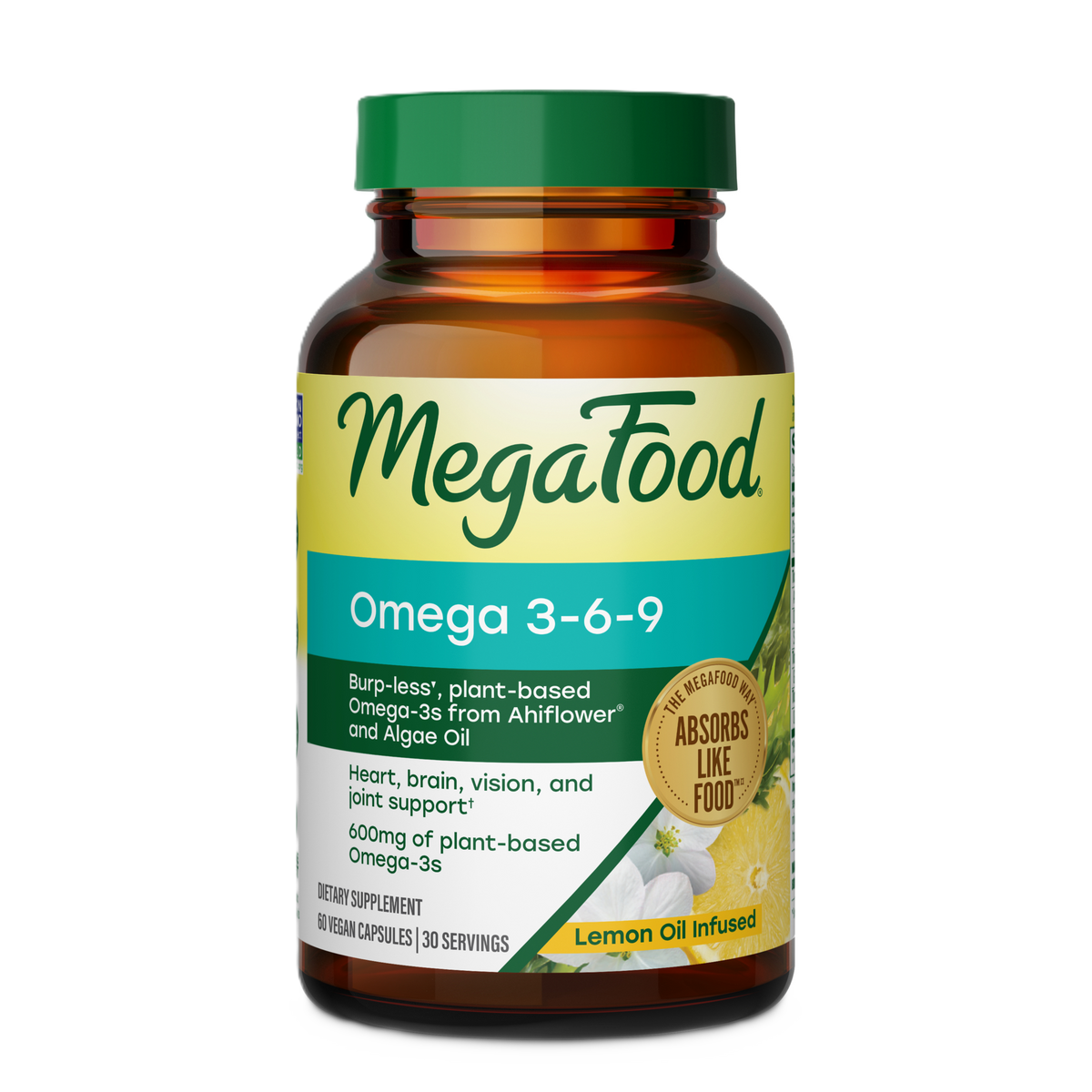
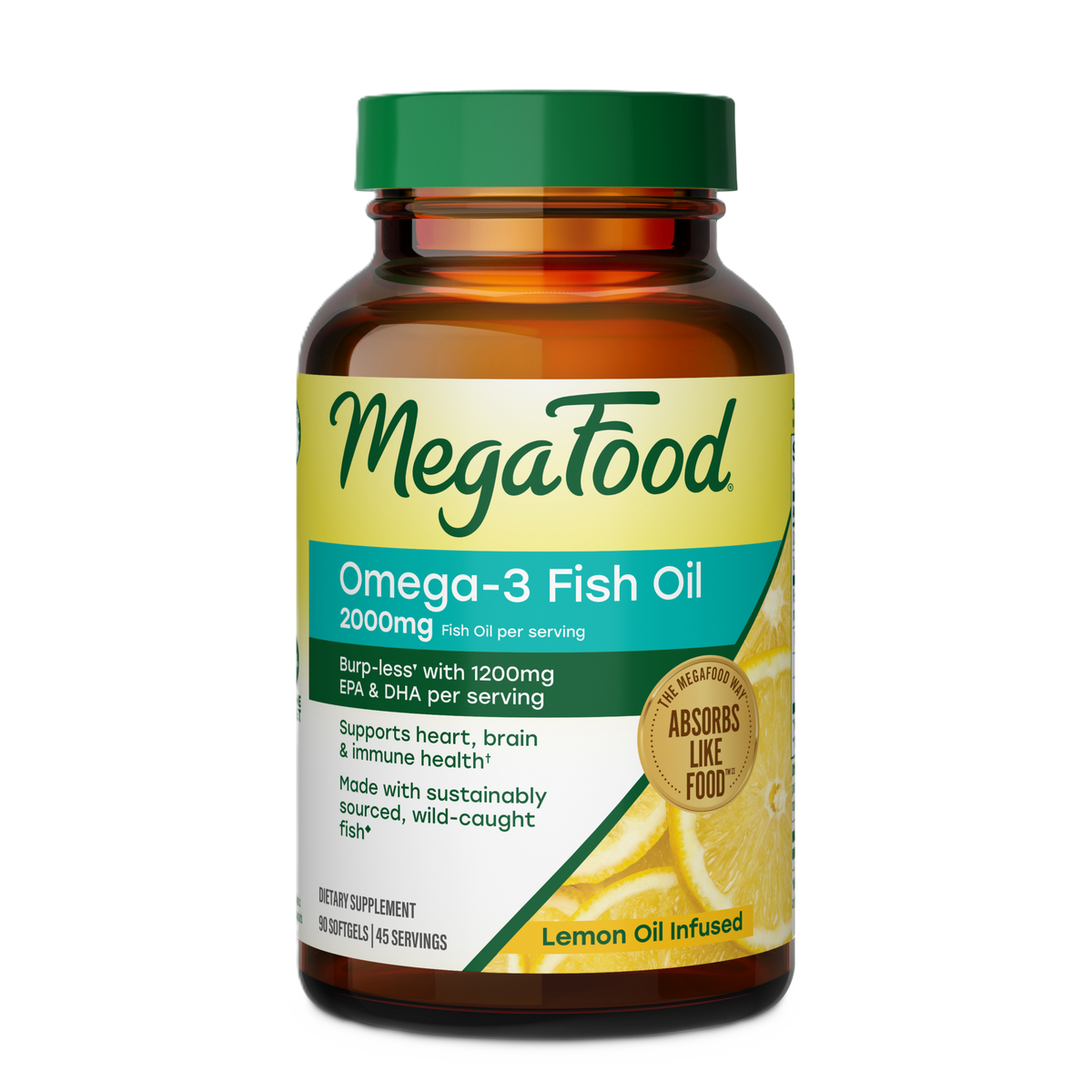
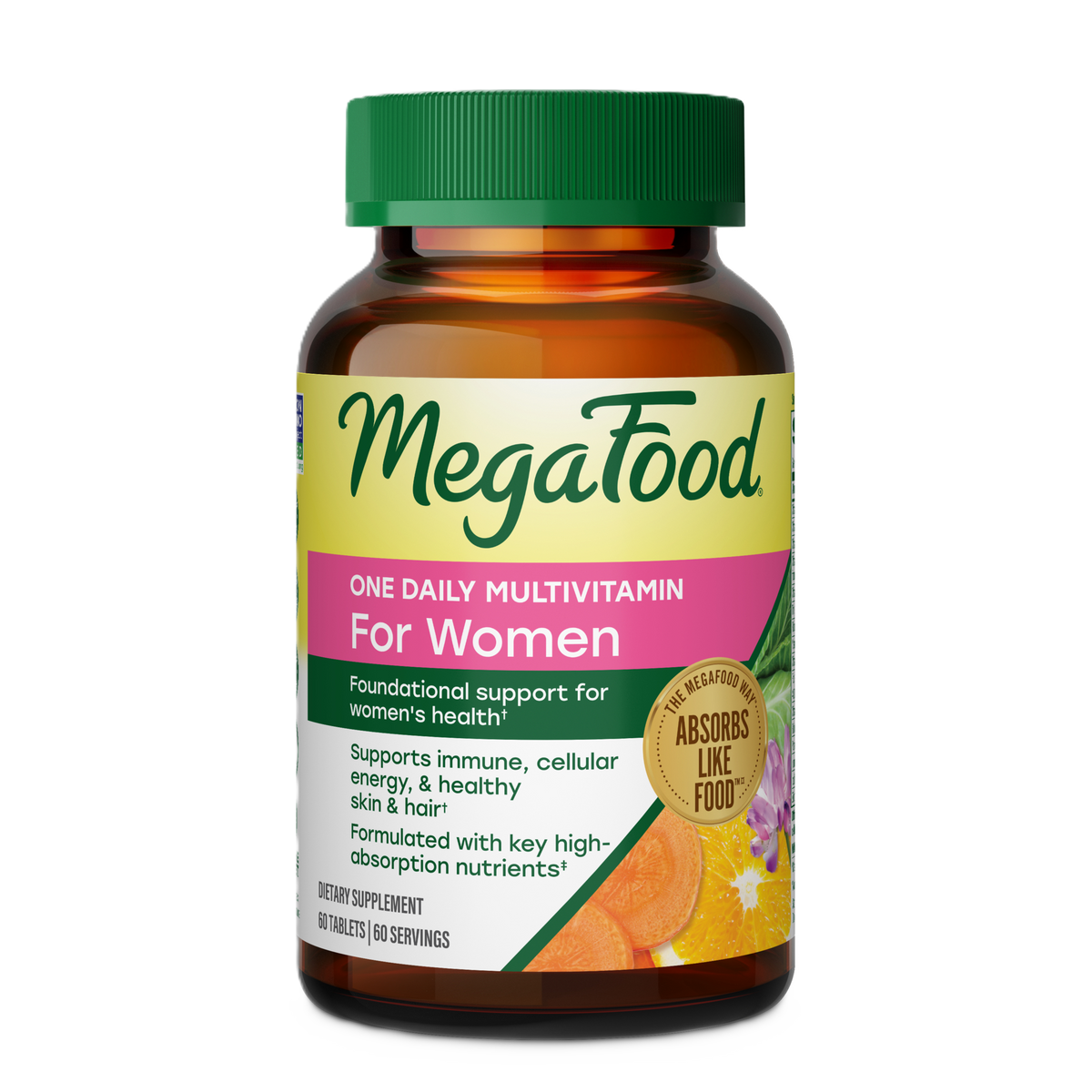
Supplements can be confusing, not because you’re missing something, but because the information out there is messy. One post says one thing, a different blogs says the opposite, and suddenly it feels like you need a science degree just to pick a bottle.
Fortunately, you don’t.
This guide is here to help you sort through the noise. We’ll walk through a few common supplement myths and add the context that usually gets left out, so you can feel more grounded in what supplements are, how they’re evaluated, and what’s worth paying attention to.
Myth: “Supplements Are Only for People With Deficiencies”
A lot of people assume supplements are only meant for situations where something is clearly “low” or missing. If you feel generally healthy, or haven’t been told otherwise, it can seem like supplements simply aren’t relevant to you.
In practice, many people use supplements not to correct a specific deficiency, but to support consistent nutrient intake over time. Diet patterns, life stage, individual absorption, and everyday variability all influence whether someone meets their needs regularly. Using a supplement doesn’t automatically mean something is wrong; for many, it’s simply a way to add nutritional support when food alone doesn’t always cover everything.
Myth: “If I Eat Well, I Don’t Need Supplements”
Eating well is an important foundation, and it absolutely matters. At the same time, eating a balanced diet doesn’t guarantee that every nutrient need is met every day, especially as needs shift over time.
Food availability, preparation methods, soil quality, and individual differences in absorption can all influence nutrient intake. That’s why supplements are often used alongside a healthy diet, not instead of one. For some people, they’re a way to help fill occasional gaps, even when overall eating habits are strong.
Myth: “Supplements Aren’t Regulated”
This idea comes up a lot, often because supplement regulation doesn’t look exactly like other health categories people are familiar with, like prescriptions.
In the U.S., dietary supplements are regulated under a law called the Dietary Supplement Health and Education Act (DSHEA). Under this framework, the FDA oversees the category, and manufacturers are responsible for ensuring their products meet regulatory requirements before they reach the market. That includes standards for manufacturing, labeling, and safety.
Different doesn’t mean unregulated. It means the responsibility placed on manufacturers is significant, and the systems they use matter. That’s why practices like documentation, ingredient specifications, and quality controls are important signals of credibility.
Myth: “Brands Can Put Whatever They Want in a Bottle”
This myth usually grows out of the first one.
In reality, responsible supplement manufacturing is governed by the FDA code of federal regulations 21 CFR part 111. These standards set expectations for how ingredients are sourced, reviewed, manufactured, tested, labeled, and traced.
Manufacturers are expected to maintain detailed records, including supplier documentation, ingredient specifications, and batch records that allow products to be traced through the entire process. Ingredients must meet defined criteria before they’re used, and finished products must match what’s declared on the label.
There’s a real system behind legitimate supplement manufacturing, even if it’s not always visible from the outside.
Myth: “If It’s on the Shelf, It Must Be Safe”
It would be nice if this were always true, but quality can vary quite a bit.
Many brands invest deeply in how their products are sourced, made, and tested. Others may share less about their process. That doesn’t mean something is automatically unsafe, but it does mean that availability alone doesn’t always tell the full story.
If you’re curious to learn more, a good place to look is a brand’s own website. Companies that prioritize quality often explain how they approach manufacturing and testing, and they tend to make that information easy to find.
Things you might notice include:
- References to cGMP-compliant manufacturing
- Information about ingredient sourcing and quality standards
- Testing at different stages of production
- Mentions of third-party audits or certifications
- Clear lot numbers or traceability information on packaging
- These details can help paint a more complete picture and make it easier to feel comfortable with the choices you’re making.
Myth: “Testing Is Just One Final Step”
Testing is often imagined as a single checkpoint at the end of production.
In practice, quality testing happens throughout the process. Ingredients are evaluated before they’re used. Products are monitored during manufacturing. Finished products are checked before they ship. In many cases, testing is done both internally and by independent third-party laboratories.
Thorough and validated testing helps support accuracy, consistency, and safety in a way that a single test never could.
How to Think About Supplements More Clearly
Once you step back from the myths, evaluating supplements becomes less about guessing and more about understanding systems.
A few practical signals can help you assess whether a supplement is made responsibly:
- Manufacturing in cGMP-compliant facilities
- Clear documentation and traceability across ingredients and batches
- Testing at multiple stages, not just at the end
- Label transparency that aligns with what’s actually in the bottle
- Independent audits or certifications that add accountability
Brands that are open about how their products are made tend to make it easier for consumers to feel informed and confident.
Want to See What This Looks Like in Practice?
Understanding the basics is helpful, but seeing how these systems work together can make things feel much clearer.
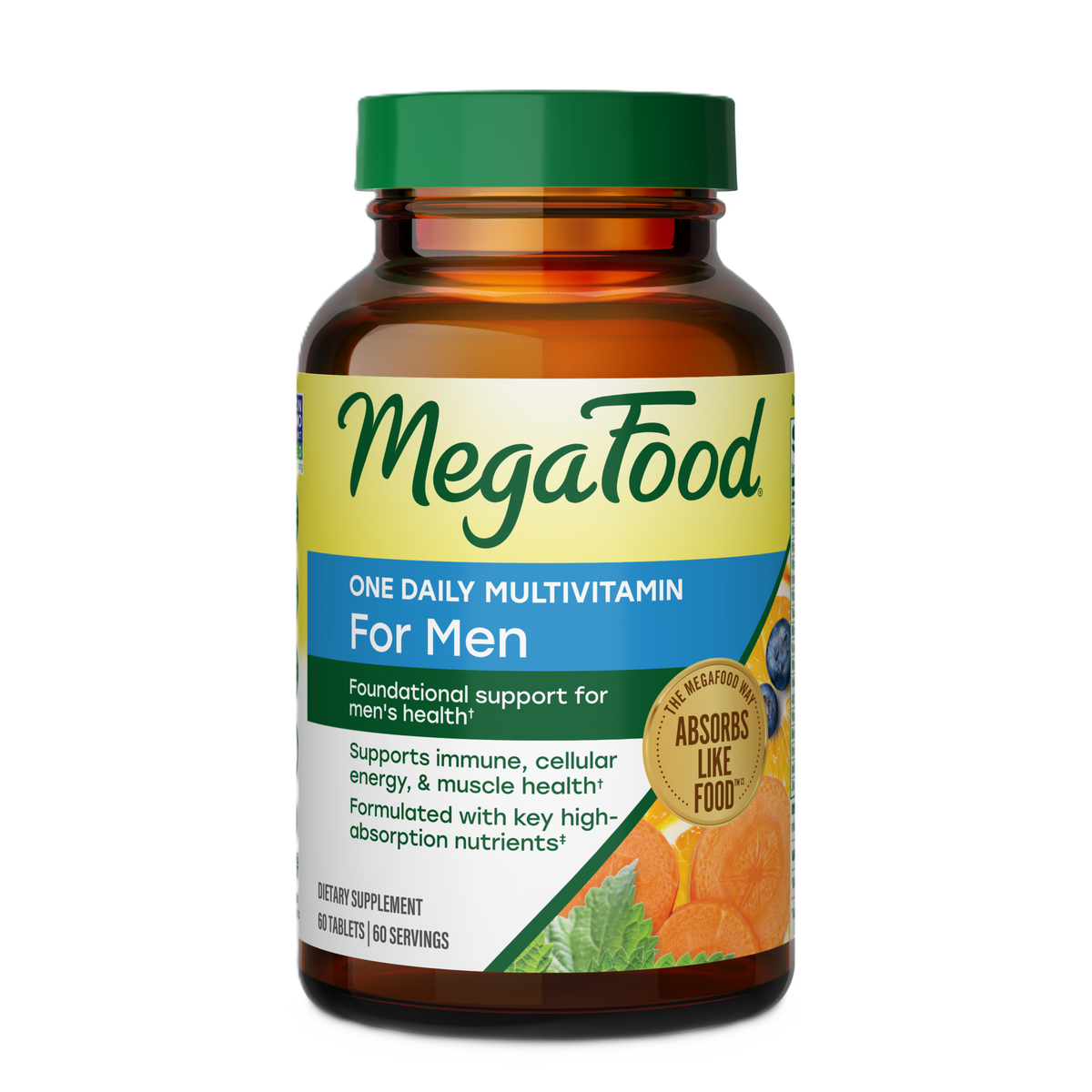
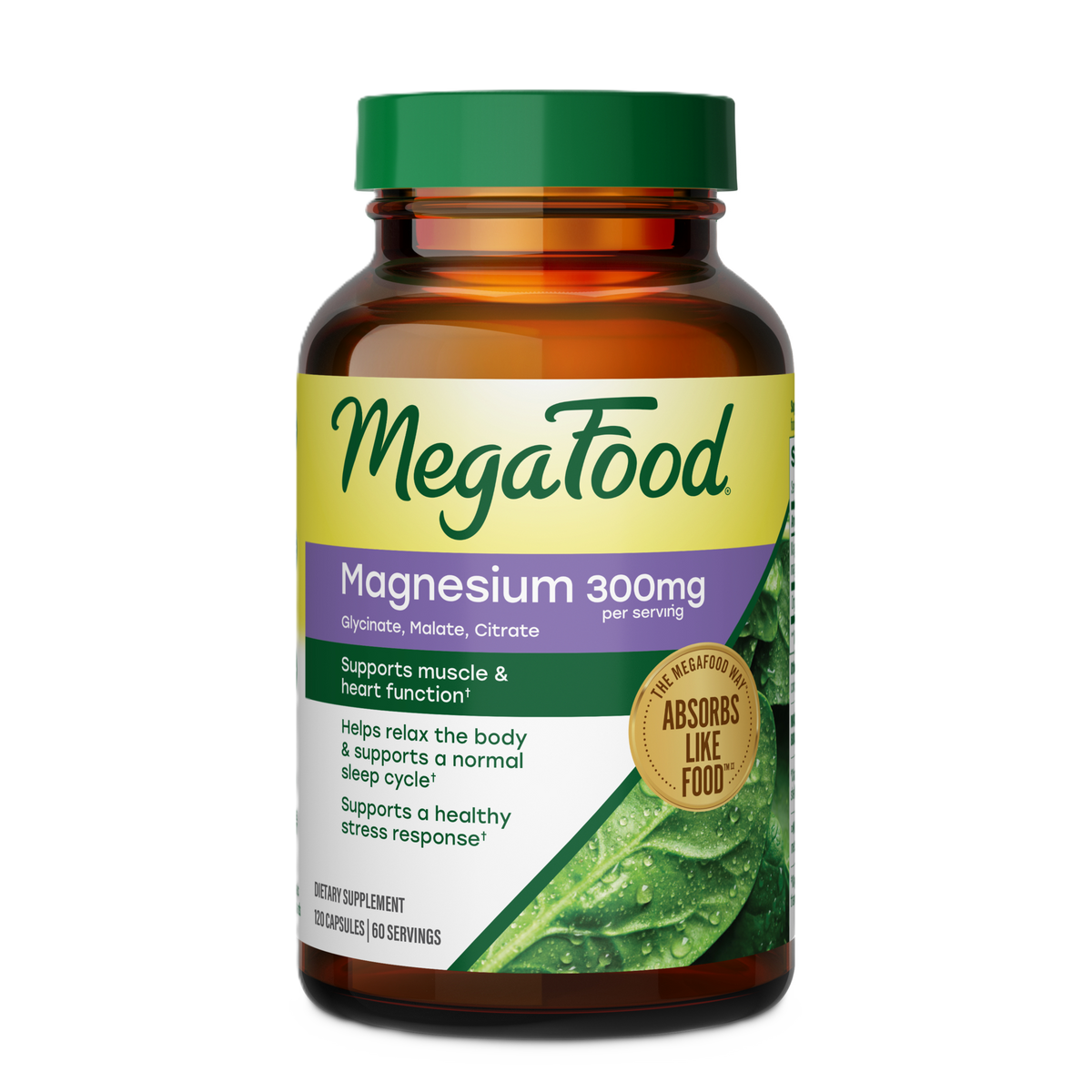
If you’re curious how supplement quality looks behind the scenes, you can take a deeper look at how a supplement from MegaFood comes to life, from ingredient sourcing and manufacturing to testing, documentation, and ongoing quality oversight.
Sometimes, clarity comes not from more opinions, but from seeing the full picture.




Leave a comment
This site is protected by hCaptcha and the hCaptcha Privacy Policy and Terms of Service apply.