
Nutrition, certified: What our certification seals mean for you
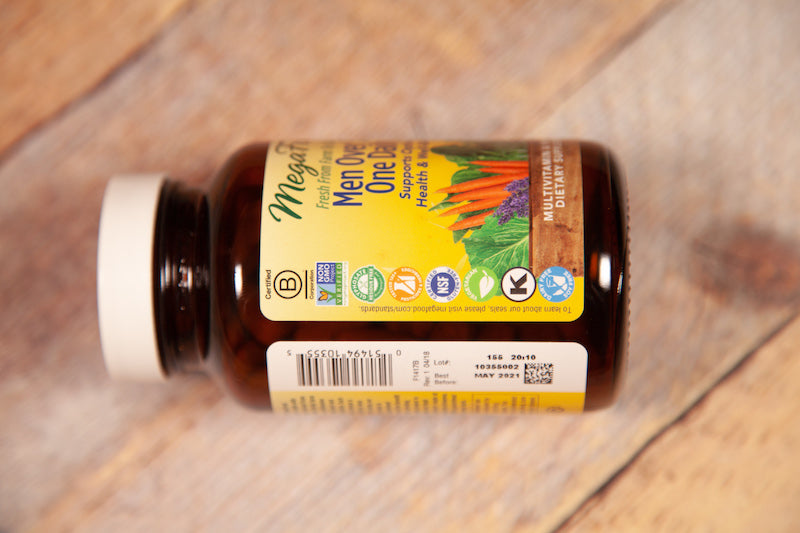
If you’ve ever picked up a supplement and noticed a row of seals on the label, you’re not alone in wondering what they all mean.
From Non-GMO Project Verified to Kosher, these certifications are designed to give you more insight into how a product is made. But not every seal means the same thing—and not every product carries the same ones.
This guide breaks down what those certifications represent, how they’re verified, and how to think about them when choosing a supplement.
Why certifications exist in the first place
Certifications are a way to bring additional transparency to supplements. While all dietary supplements must meet FDA requirements for safety, quality, and labeling, third-party certifications go a step further.
They provide independent verification of specific standards—whether that’s ingredient sourcing, manufacturing practices, or testing for certain substances.
At MegaFood, certifications are one part of a broader quality approach, but they can offer helpful signals depending on what matters most to you.
Not every product has every seal
One of the most important things to understand is that certifications are product-specific.
Some require certain ingredients, sourcing practices, or testing protocols that don’t apply to every formula. That’s why you’ll see different combinations of seals across different products. Rather than applying a single blanket standard, we display certifications at the product level—so you can see exactly what applies to the product you’re choosing.
A closer look at common MegaFood certifications
Non-GMO certifications
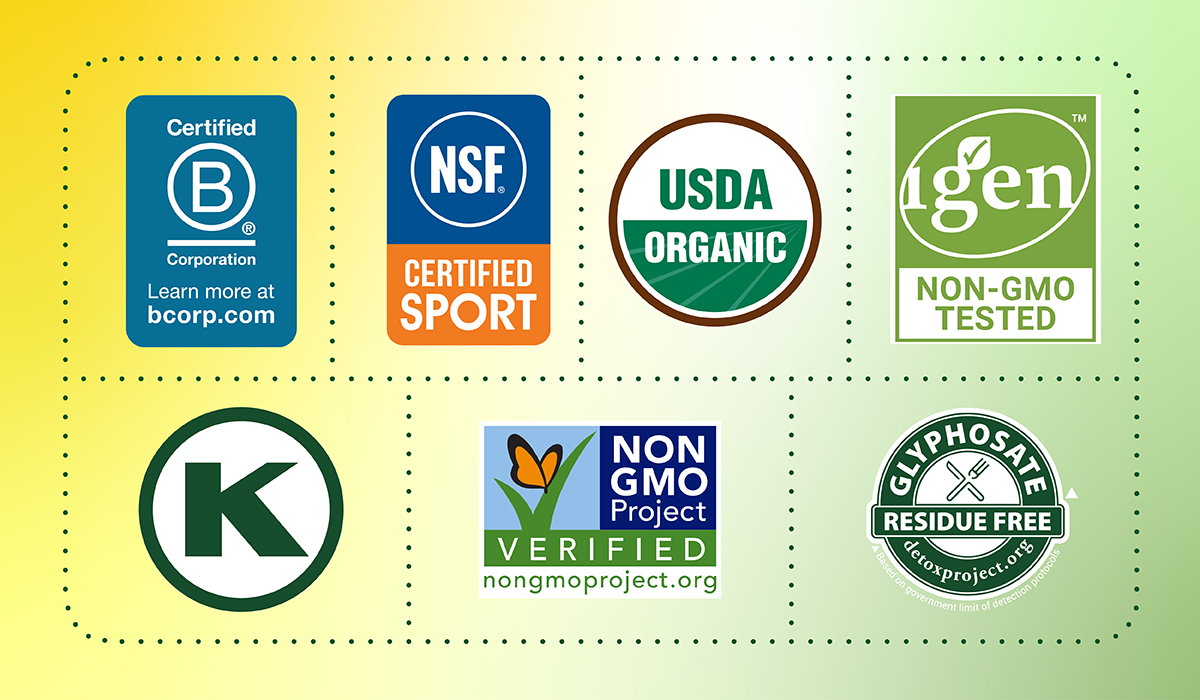
You may see either Non-GMO Project Verified or iGEN® Non-GMO Tested on MegaFood products.
Both indicate that a product meets strict standards for avoiding genetically modified organisms, but they take slightly different approaches:
- Non-GMO Project Verified evaluates ingredient sourcing, traceability, and risk-based testing
- iGEN® Non-GMO Tested focuses on finished-product DNA testing to confirm no detectable GMO material above program limits
Both provide assurance—just through different verification methods.
NSF Certified for Sport®
NSF Certified for Sport® is a rigorous certification designed for athletes.
It confirms that a product:
- has been tested for substances banned by major athletic organizations
- meets strict standards for safety, purity, and manufacturing quality
This certification is currently held by select products, including MegaFood Creatine Monohydrate Powder.
USDA Organic
Products that carry the USDA Organic seal must meet strict standards set by the USDA’s National Organic Program.
This includes requirements for:
- how ingredients are grown
- how they’re processed and handled
- how they’re verified by accredited certifying bodies
Not all products qualify, but those that do clearly display the seal.
OK Kosher Certified
OK Kosher certification indicates that a product meets strict kosher dietary standards.
This includes:
- ingredient review
- facility oversight
- ongoing compliance verification
Products that qualify display the OK Kosher symbol on packaging and online.
Certified Glyphosate Residue Free
Some MegaFood products are also Certified Glyphosate Residue Free.
This certification verifies that a product has been tested for glyphosate residue and meets non-detectable limits established by an independent organization.
While not all products carry this certification, it’s another example of how testing and transparency can show up differently across the line.
Certified B Corporation®
While not product-specific, MegaFood is a Certified B Corporation®.
This certification reflects broader commitments to:
- social responsibility
- environmental standards
- transparency and accountability
It applies to how we operate as a company, rather than to individual products.
How to think about certifications when choosing a supplement
Certifications can be helpful, but they’re not meant to be a checklist where every product needs every seal.
Instead, they’re tools that can help you prioritize what matters most to you.
For example:
- If avoiding GMOs is a priority, look for Non-GMO certifications
- If you’re an athlete, NSF Certified for Sport® may be most relevant
- If you’re focused on ingredient sourcing, USDA Organic may stand out
Each certification tells a specific part of the story.
What certifications don’t replace
While certifications provide valuable insight, they don’t replace the broader quality systems behind a product. Every MegaFood product is tested for identity, potency, and contaminants, and our facilities are audited regularly to ensure compliance with industry standards. You can read more about what takes place behind the bottle here.
Certifications build on that foundation—they don’t replace it.
A clearer way to read your label
When you look at a supplement label, certifications can help you understand more about how that product was made and what standards it meets.
Rather than trying to find a product with every possible seal, it can be more helpful to look for the ones that align with your priorities—and trust that each one represents a verified standard.


Leave a comment
This site is protected by hCaptcha and the hCaptcha Privacy Policy and Terms of Service apply.