


Simple Seasonal Swaps to Support Your Health
As the seasons change, our routines tend to change with them. The days get shorter, temperatures drop, seasonal foods shift and we may spend a lot more time indoors. Between busy fall schedules and the holiday season, some of the habits that felt easy all summer can become harder to maintain.
Supporting your wellness through fall and winter doesn’t require an entirely new routine. Instead, think about making a few meaningful swaps that help your existing habits work better for the season. It’s wellness that works with real life: adapting what you eat, how you move and the ways you care for yourself to fit the season you’re actually in.
Swap Your Usual Produce for Seasonal Variety
Eating a variety of fruits and vegetables is important year-round, but eating with the seasons is an easy way to introduce different nutrients and plant compounds into your diet.
As summer favorites wind down, reach for seasonal foods like pumpkin, winter squash, sweet potatoes, carrots, apples, pears, citrus and pomegranate.
Fall and winter are also great seasons to make cruciferous vegetables like broccoli, Brussels sprouts, cabbage and kale regulars on your plate. Along with vitamins, minerals and fiber, cruciferous vegetables contain beneficial plant compounds that help support the body’s healthy immune function.
Make the swap: Instead of buying the same fruits and vegetables on autopilot, add one seasonal fruit and one seasonal vegetable to your cart each week. Roast Brussels sprouts or squash, add apples or pears to oatmeal, or keep citrus and kiwi on hand for easy snacks.
Swap Cold Meals for Warming, Plant-Packed Favorites
A smoothie or big salad might hit the spot in July, but colder weather often calls for something warmer and heartier. The good news? Comforting seasonal meals can still be packed with plants.
Oatmeal, soups, stews and grain bowls make it easy to layer whole grains, beans and lentils, vegetables, nuts, seeds, herbs and spices into a single meal. Along with bringing plenty of flavor and variety, these plant foods provide fiber, including prebiotic fibers that help nourish beneficial bacteria in the gut.
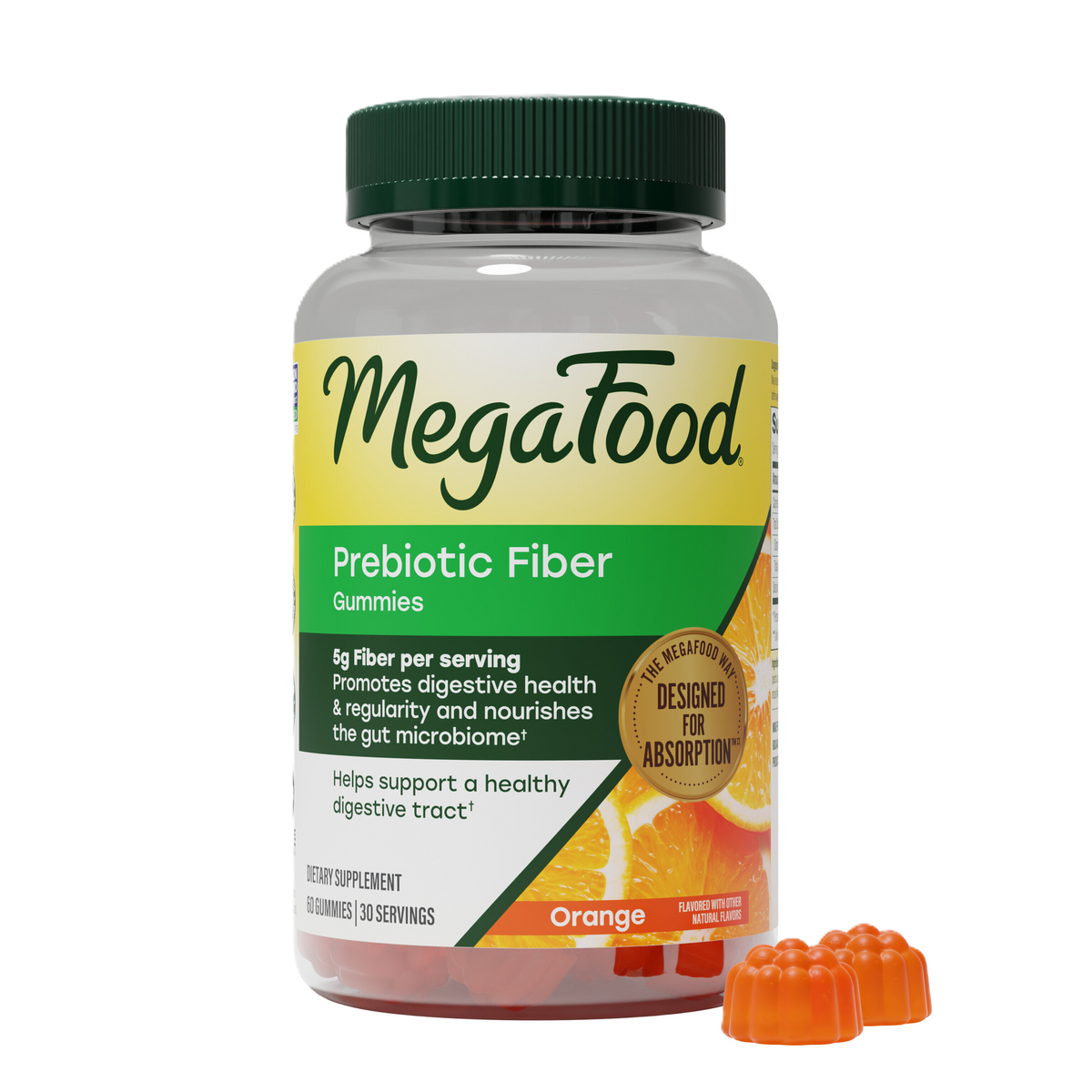
You can build on that gut-supportive variety with fermented foods that contain probiotics, such as yogurt, kefir, kimchi or sauerkraut. And when changing schedules, travel or celebrations make your usual eating habits harder to maintain, prebiotic fiber and probiotic supplements are another option for supporting your routine.
Make the swap: Instead of thinking of warming comfort food and plant-forward eating as opposites, combine them. Top oatmeal with fruit, nuts and seeds, bulk up soups with beans or lentils, or build a grain bowl with roasted seasonal vegetables and your favorite fermented topping.
Swap One Cold Drink for a Cup of Herbal Tea
It can be easy to think about hydration when it's hot outside and much easier to forget about it once temperatures drop. Your body still needs fluids throughout fall and winter, even if you aren't reaching for an icy water bottle as often.
Herbal tea is one way to make hydration a little more appealing when it's cold. Ginger, peppermint, chamomile, fennel and other herbs can turn an ordinary cup of water into a cozy seasonal ritual.
Make the swap: If cold water becomes less appealing as temperatures drop, replace one glass with a warm, caffeine-free herbal tea. Keep a mug nearby while you work or make an evening cup part of your wind-down routine.
Want to explore herbal tea a little further? Check out our Herbalist’s Guide to Digestive Teas for six simple blends and an introduction to herbal actions like carminatives, nervines and demulcents.
Swap an Indoor Start for Morning Daylight
Shorter days mean fewer opportunities for natural light, especially if you start and finish your day indoors.
Light is one of the environmental signals that helps regulate your circadian rhythm, your body's internal 24-hour clock. Getting outside during daylight hours also creates an opportunity to move your body and take a break from your usual surroundings.
You don't need to turn it into a workout. A quick walk around the block, drinking your morning tea outside or stepping outdoors for a few minutes can all add a little daylight to your routine.
Make the swap: Instead of starting your day entirely indoors, take your first cup of tea outside, walk around the block after breakfast or step outdoors for a few minutes of morning light.
Swap Your Summer Workout for a Winter-Proof Routine
When colder temperatures and earlier sunsets arrive, the activities that kept you moving all summer may become harder to maintain.
Instead of waiting for good weather or abandoning your routine altogether, decide ahead of time what your indoor alternative will be. Walking indoors, strength training, yoga, dancing and short movement breaks throughout the workday all count.
The best seasonal movement routine isn't necessarily the most ambitious one. It's the one you can realistically continue when conditions outside aren't cooperating.
Make the swap: For every outdoor activity you regularly rely on, choose an indoor backup now. Your evening walk might become 20 minutes on a treadmill, a yoga flow or a quick strength session when it's dark or the weather keeps you inside.
Swap Late-Night Scrolling for a Consistent Wind-Down Cue
Earlier sunsets can be an opportunity to rethink your evening routine, too.
Sleep supports numerous aspects of health, including normal immune function. A consistent bedtime and a relaxing routine leading up to it can help signal that it's time to transition from the activity of the day toward sleep.
That doesn't require an elaborate nighttime ritual. Reading, stretching, taking a warm shower or making a cup of caffeine-free tea can all become simple cues that the day is winding down.
Make the swap: Pick a time to put your phone away and replace the last 20–30 minutes of scrolling with the same calming activity each night. Consistency can help turn that activity into a cue that bedtime is approaching.
,
Swap the Single-Nutrient Mindset for a Well-Rounded Plate
Supporting normal immune function isn't about finding one special food or nutrient. Your immune system relies on adequate nutrition, including vitamins A, C and D, zinc, selenium, iron, folate and other B vitamins.
A varied diet helps provide that nutritional foundation. Colorful fruits and vegetables contribute vitamins, minerals and phytonutrients, while whole grains, legumes, nuts and seeds bring additional nutrients along with fiber.
Make the swap: Instead of focusing on one nutrient, look for opportunities to combine them. Add vitamin C-rich bell peppers or broccoli to a meal with beans, sprinkle nuts or seeds over oatmeal, and rotate different colors and types of produce throughout the week.
Swap a One-Size-Fits-All Supplement Routine for Seasonal Support
Your diet should provide the foundation of your nutrition, while supplements can help fill gaps and provide additional support based on your individual needs. As your routine changes with the seasons, it can be a good time to take another look at yours.
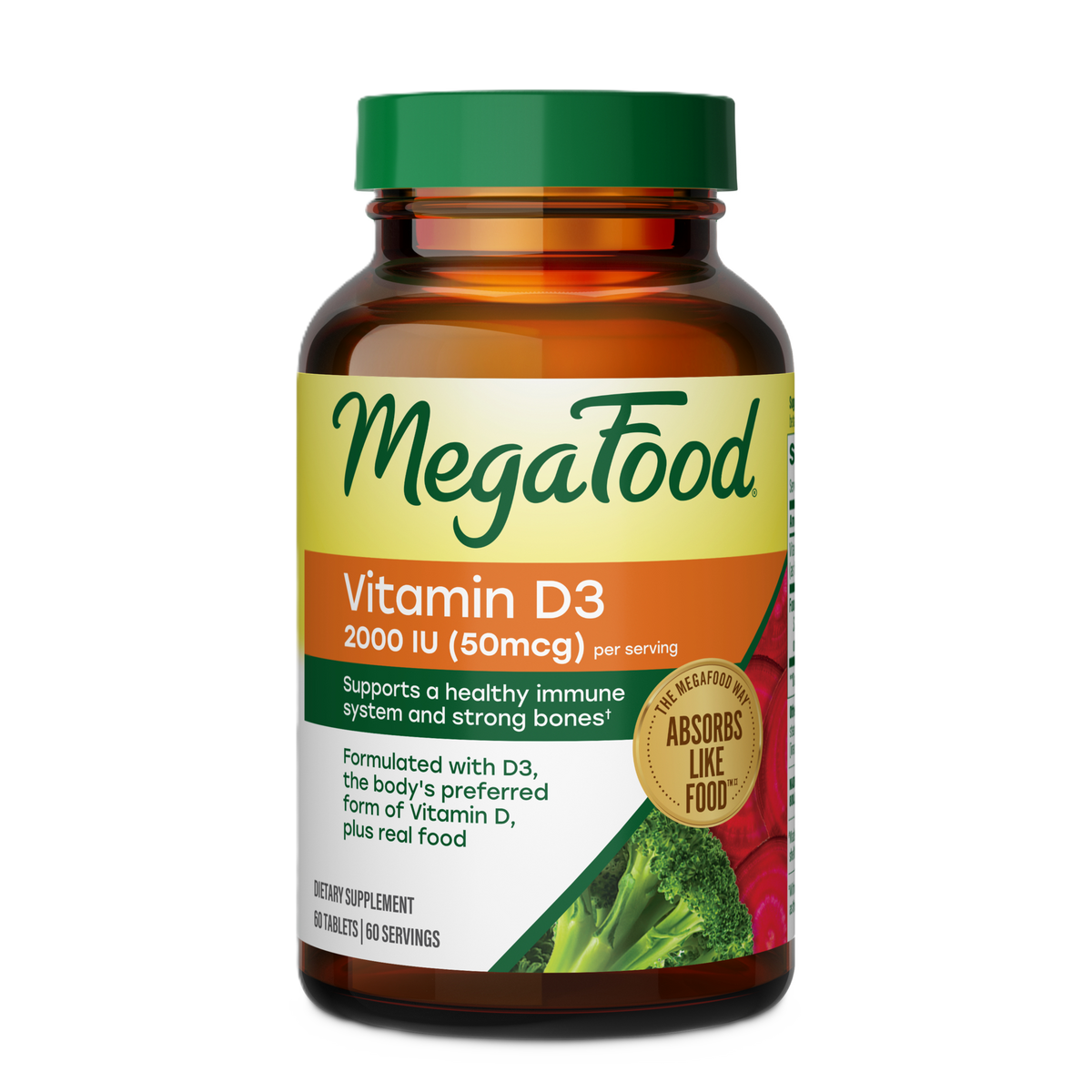
Vitamin D is especially worth considering during fall and winter. Your body produces vitamin D in response to UVB exposure from sunlight, and factors like season, latitude, time spent outdoors and sunscreen use can all influence vitamin D production. Vitamin D helps support normal immune function in addition to its roles in bone and muscle health.
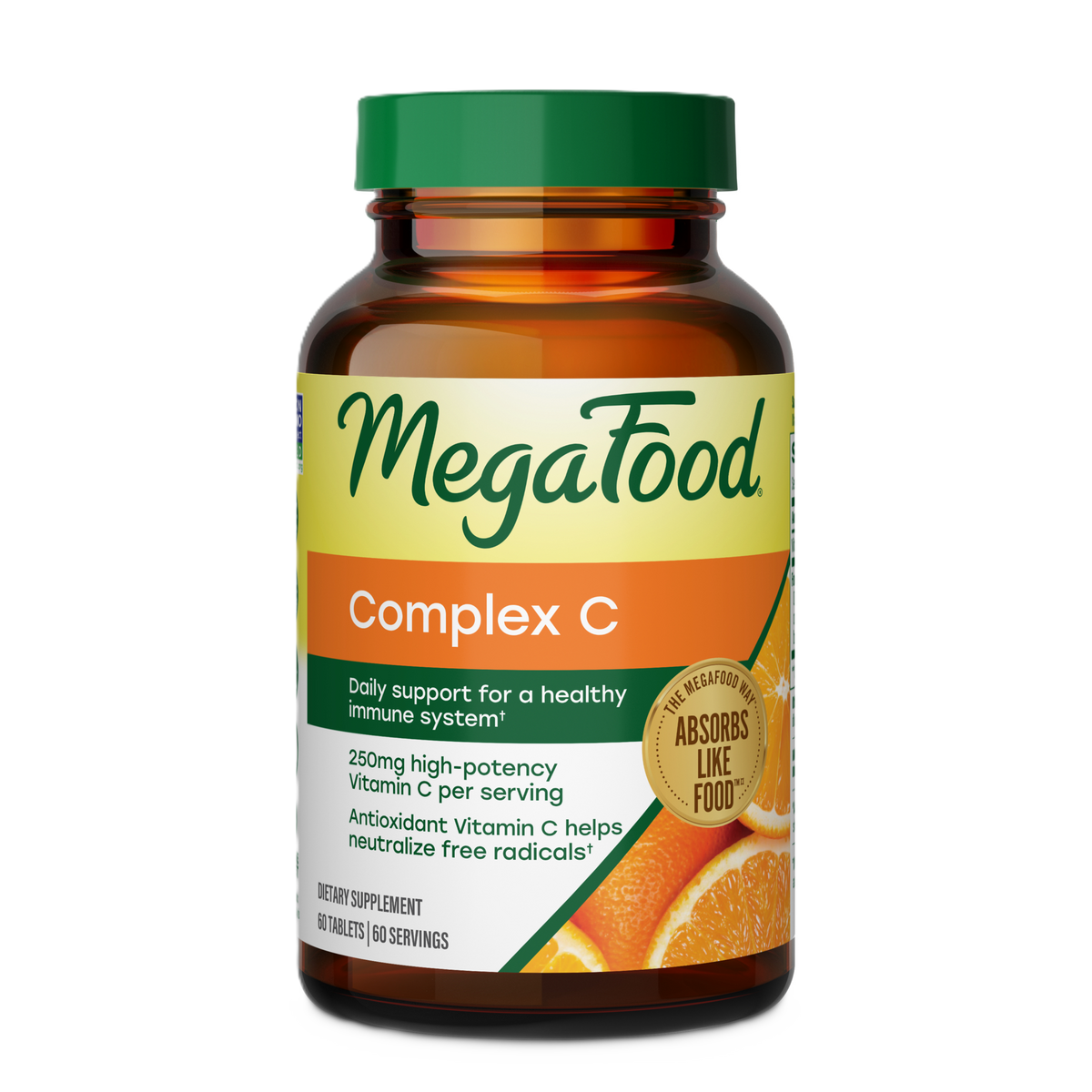
Vitamin C and zinc also help support normal immune function. Vitamin C is an antioxidant and essential nutrient found in foods including citrus, kiwi, bell peppers and broccoli, while zinc is an essential mineral found in foods including beans, nuts, seeds and whole grains.
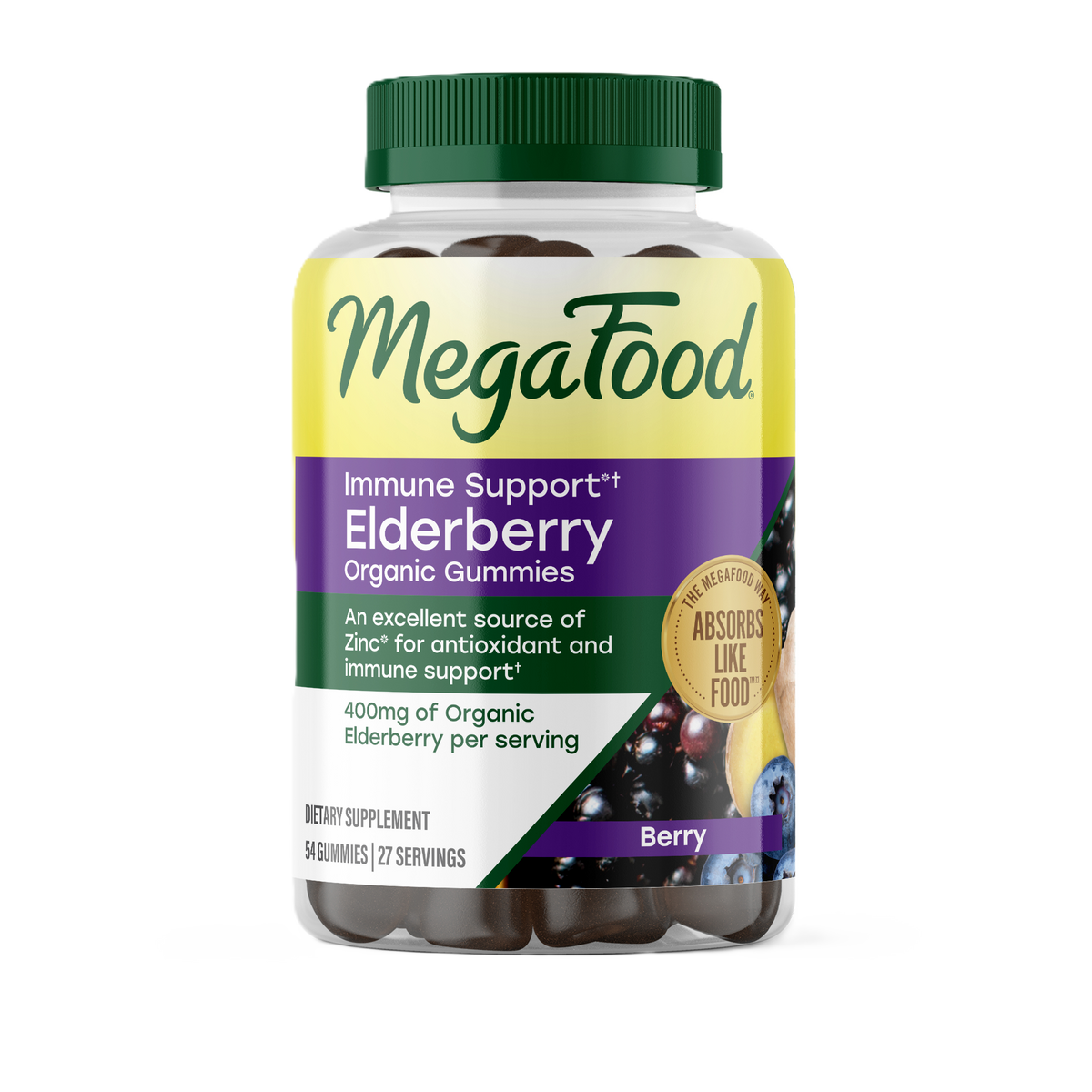
Elderberry is another traditional seasonal favorite. The dark purple berries are naturally rich in anthocyanins and have a long history of use in herbal wellness traditions.
Make the swap: Instead of simply carrying your summer supplement routine into fall, take a seasonal inventory. Consider whether reduced sun exposure makes vitamin D worth discussing with your healthcare provider, whether you're regularly eating foods that provide vitamin C and zinc, and whether an herbal option like elderberry fits your wellness routine.
Swap Holiday Perfection for a Few Non-Negotiables
Fall and winter bring holidays, travel, celebrations, school breaks and plenty of interruptions to everyday routines. Healthy habits don't need to happen perfectly to still matter.
A nourishing breakfast still counts when dinner is a holiday feast. A 15-minute walk still counts when you don't have time for your usual workout. Going to bed on time most nights still matters even if you stay up late celebrating occasionally.
Rather than trying to preserve every part of your normal routine, decide which few habits make the biggest difference for you.
Make the swap: Trade an all-or-nothing wellness routine for two or three seasonal non-negotiables. Maybe that's eating a nourishing breakfast, getting outside during daylight and keeping a consistent bedtime. Let everything else flex when it needs to.
Let Your Wellness Routine Change With the Seasons
As the seasons change, your routines can change with them. A warming breakfast instead of a smoothie, a few minutes of morning daylight, an indoor backup for your favorite walk or a closer look at your seasonal nutrition needs can all help your healthy habits feel a little easier to maintain.
The goal isn’t to do everything perfectly. It’s to find small, meaningful changes that support your wellness and work with your real life, all season long.




Leave a comment
This site is protected by hCaptcha and the hCaptcha Privacy Policy and Terms of Service apply.