
From traditional herbalism to modern superfood, discover the story behind moringa
Moringa may be having a moment in modern wellness, but this leafy green plant is anything but new.
Moringa oleifera has been valued for generations as both a food and traditional herb, particularly across South Asia and other tropical regions where it grows. Today, its nutrient-dense leaves have helped introduce moringa to a much wider audience as a green superfood.
So what is moringa, how has it traditionally been used and what makes it worth getting to know?
What Is Moringa?
Moringa oleifera is a fast-growing tree native to the Indian subcontinent and now cultivated throughout tropical and subtropical regions around the world.
A member of the Moringaceae family, moringa has small green leaves, pale flowers and distinctive long seed pods that have earned it the name “drumstick tree.” You may also hear it called the “miracle tree” or “tree of life,” nicknames inspired by the plant’s versatility and long history of use.
For nutrition and supplementation, the nutrient-dense leaves are particularly prized. They naturally contain vitamins, minerals, phytonutrients and other naturally occurring plant compounds.
Moringa in Traditional Herbalism
Moringa has deep roots in Ayurveda, the traditional system of medicine that developed in India. Its use has also become established in traditional practices across other parts of Asia, Africa and tropical regions around the world.
In Ayurveda, moringa is known as shigru and has traditionally been used in a variety of preparations and for a broad range of purposes. Its traditional applications have included digestive support, skin health and general wellness, among many others.
Moringa leaf also has a history of use as a galactagogue, the herbal term for plants traditionally used to support breast milk production. That use continues to receive modern research attention, although the evidence is still developing.
This broad history is part of what makes moringa interesting from an herbal perspective. Rather than being associated with one specific traditional use, it has found a place in different wellness practices across cultures and generations.
Why Is Moringa Called a Superfood?
“Superfood” isn’t a scientific classification. It’s a popular term generally used to describe foods that offer an impressive concentration of nutrients or beneficial plant compounds.
Moringa leaf has earned a place in that conversation because it’s known as a nutrient-dense plant. It naturally contains an array of vitamins, minerals and phytonutrients and provides antioxidant support.
Another notable feature? Moringa is naturally caffeine-free, making it an easy addition to a routine at any time of day.
How Is Moringa Used Today?
Moringa remains both a food and an herb, and there are plenty of ways to enjoy it.
Fresh moringa leaves can be cooked much like other leafy greens, while the young seed pods are used in soups, curries and other dishes in cuisines where the plant is commonly grown.
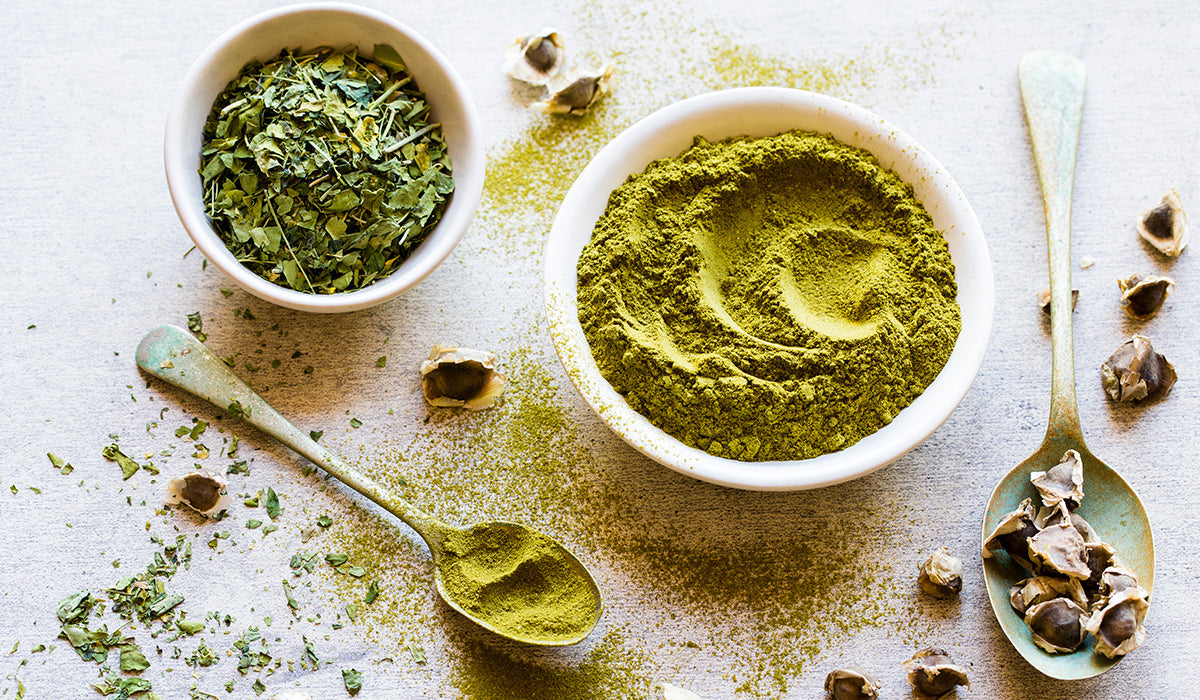
The leaves can also be dried and steeped as tea or ground into the vibrant green moringa powder you may recognize from the wellness aisle. Moringa powder can be stirred into smoothies and other foods and beverages.
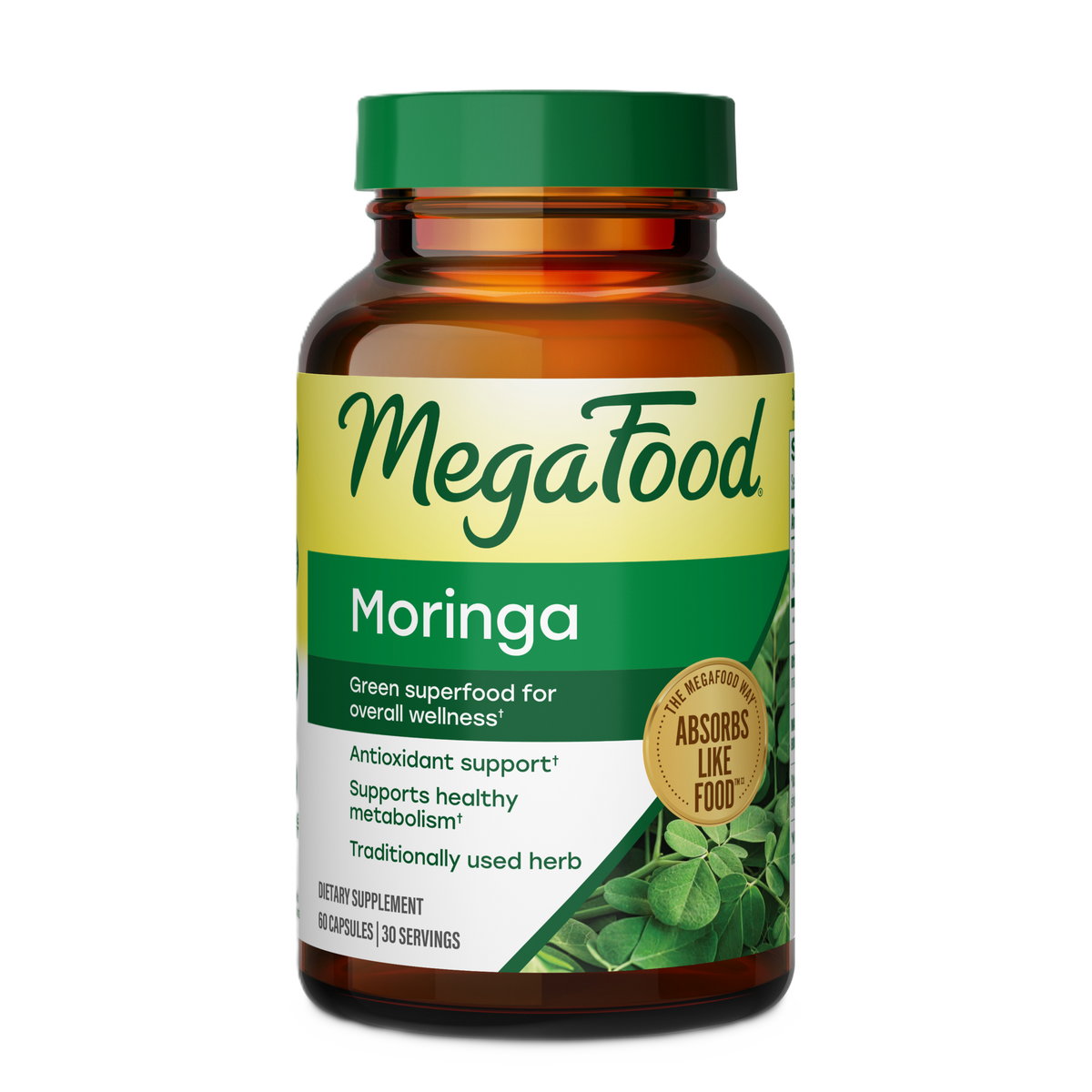
Moringa has a distinctly earthy, green and slightly bitter flavor. For those who want to incorporate moringa leaf into their routine without the taste, supplements like capsules offer a convenient alternative.
What Are the Benefits of Moringa?
Modern interest in moringa comes in part from the nutritional and botanical complexity of its leaves.
Moringa leaf provides antioxidant support to help neutralize free radicals.† Free radicals are molecules generated during normal daily living that can contribute to oxidative stress when they accumulate in excess in healthy cells. Moringa also supports healthy metabolism and overall wellness.†
Scientists continue to study moringa’s nutrients, phytonutrients and other naturally occurring compounds. As with many traditional botanicals, it’s helpful to distinguish between traditional use and modern research. Traditional herbalism gives us insight into how people have worked with moringa over generations, while modern research allows scientists to investigate its compounds and potential benefits in new ways.
An Old Plant With a Modern Following
Moringa’s rise as a modern superfood is really just the latest chapter in a much longer story.
Its nutrient-dense, caffeine-free leaves have made it a natural fit for today’s wellness routines, while its history reminds us that people valued this plant long before “superfood” became part of our vocabulary.
And perhaps that’s a better way to understand the famous “miracle tree” nickname. Moringa doesn’t need miraculous promises to be remarkable. Its long history, versatility and enduring place in herbal traditions give us plenty to appreciate on their own.
Caution: Consult your physician before supplementing with Moringa if you are pregnant, nursing, taking any medication, or have a health condition.



Leave a comment
This site is protected by hCaptcha and the hCaptcha Privacy Policy and Terms of Service apply.