
Reviewed for scientific accuracy by Dr. David Gundermann, PhD, Nutrition Scientist
The Nutrients and Habits That Support Healthy, Radiant Skin
Conversations about longevity often focus on whole-body wellness—how daily habits support health over time. Skin is part of that story. Because it’s visible, skin often reflects the cumulative effects of nourishment, lifestyle, and environmental exposures.
This perspective has led to growing interest in skin longevity. Rather than focusing on reversing time, skin longevity emphasizes supporting the skin’s structure, hydration, and resilience as it naturally changes. Nutrition plays an important role in this process. The vitamins, minerals, proteins, and healthy fats we consume help support the biological systems that maintain skin health over time.
Balanced meals remain the foundation of this approach. Supplements can complement that foundation by helping support nutrient intake and fill potential gaps in the diet. Over time, these daily choices contribute to the systems that help skin maintain its strength, comfort, and radiance.
What Changes in Skin Over Time
Skin naturally changes as we age, and several biological processes influence how skin looks and functions over time. These include structural proteins within the skin, the pace of cellular renewal, antioxidant defenses, and the skin’s ability to maintain hydration and barrier integrity.
Collagen and Elastin: The Structural Foundation
Collagen and elastin are structural proteins that help support the strength and flexibility of the skin. These proteins are found primarily in the dermis, the deeper layer of skin that provides support beneath the outer surface. Together they help maintain the skin’s overall structure and resilience.
Beginning in early adulthood, natural collagen production gradually declines. Over time, this reduction in collagen contributes to visible changes in skin structure and elasticity. Environmental exposures and lifestyle habits may also influence how efficiently the body maintains connective tissues.
Skin Renewal and Turnover
Healthy skin continually renews itself through a process called cellular turnover. In the outer layer of skin—the epidermis—new skin cells gradually replace older ones to maintain the skin’s protective barrier and overall appearance.
As this renewal process slows with age, skin may take longer to refresh itself. At the same time, the deeper dermal layer—which contains fibroblast cells responsible for producing collagen and elastin—also changes over time. Together, these shifts contribute to gradual changes in skin texture and resilience.
Antioxidant Support and Environmental Exposure
Skin is constantly exposed to environmental stressors such as ultraviolet light and pollution. These exposures can lead to the formation of free radicals—reactive molecules that contribute to oxidative stress within cells.
Antioxidant nutrients help support the body’s ability to manage oxidative stress and maintain cellular balance. Over time, this support contributes to the skin’s overall resilience.
Hydration and Barrier Function
The skin also relies on a healthy barrier to retain moisture and protect against environmental stressors. When this barrier is well supported, skin is better able to maintain softness, comfort, and hydration.
Nutrition contributes to maintaining this barrier by providing the building blocks needed for healthy cell membranes and connective tissues.
Collagen: The Center of the Skin Longevity Conversation
Among the nutrients often discussed in relation to skin health, collagen frequently takes center stage. Collagen is the most abundant structural protein in the body and is found throughout connective tissues, including the skin.
Within the dermis, collagen provides a supportive framework that helps maintain the skin’s structure and strength. As collagen levels gradually decline with age, maintaining the systems that support connective tissue becomes an important part of long-term skin care.
Natural Changes in Collagen
Beginning in early adulthood, natural collagen production gradually decreases. Environmental exposures, lifestyle habits, and nutritional status can also influence how efficiently the body maintains connective tissues over time.
Nutrients That Support Collagen Formation
Because collagen is produced within the body, several nutrients contribute to the biological processes involved in its formation.
Key nutrients involved in collagen formation include:
- vitamin C
- protein and amino acids
- zinc
- copper
Vitamin C plays an important role in collagen synthesis by acting as a cofactor for enzymes that help stabilize collagen fibers. It also functions as an antioxidant nutrient, helping support the body’s ability to manage oxidative stress.
Protein provides the amino acids used to build structural proteins throughout the body. Collagen itself is rich in amino acids such as glycine and proline, which contribute to the structure of connective tissues.
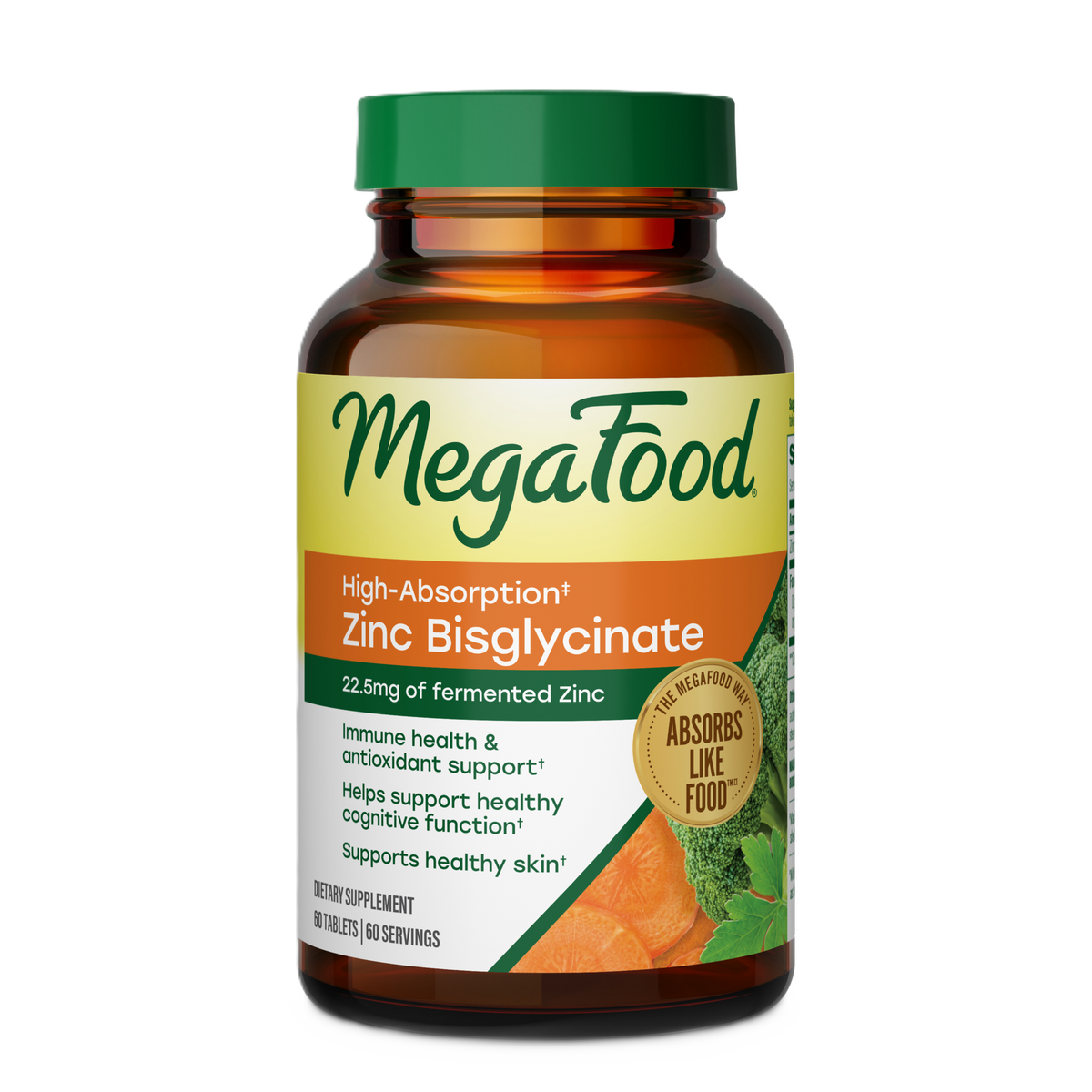
Trace minerals such as zinc and copper help activate enzymes involved in connective tissue formation and maintenance. These minerals also contribute to antioxidant systems within the body that help protect cells from oxidative stress.
Where Collagen Supplements Fit
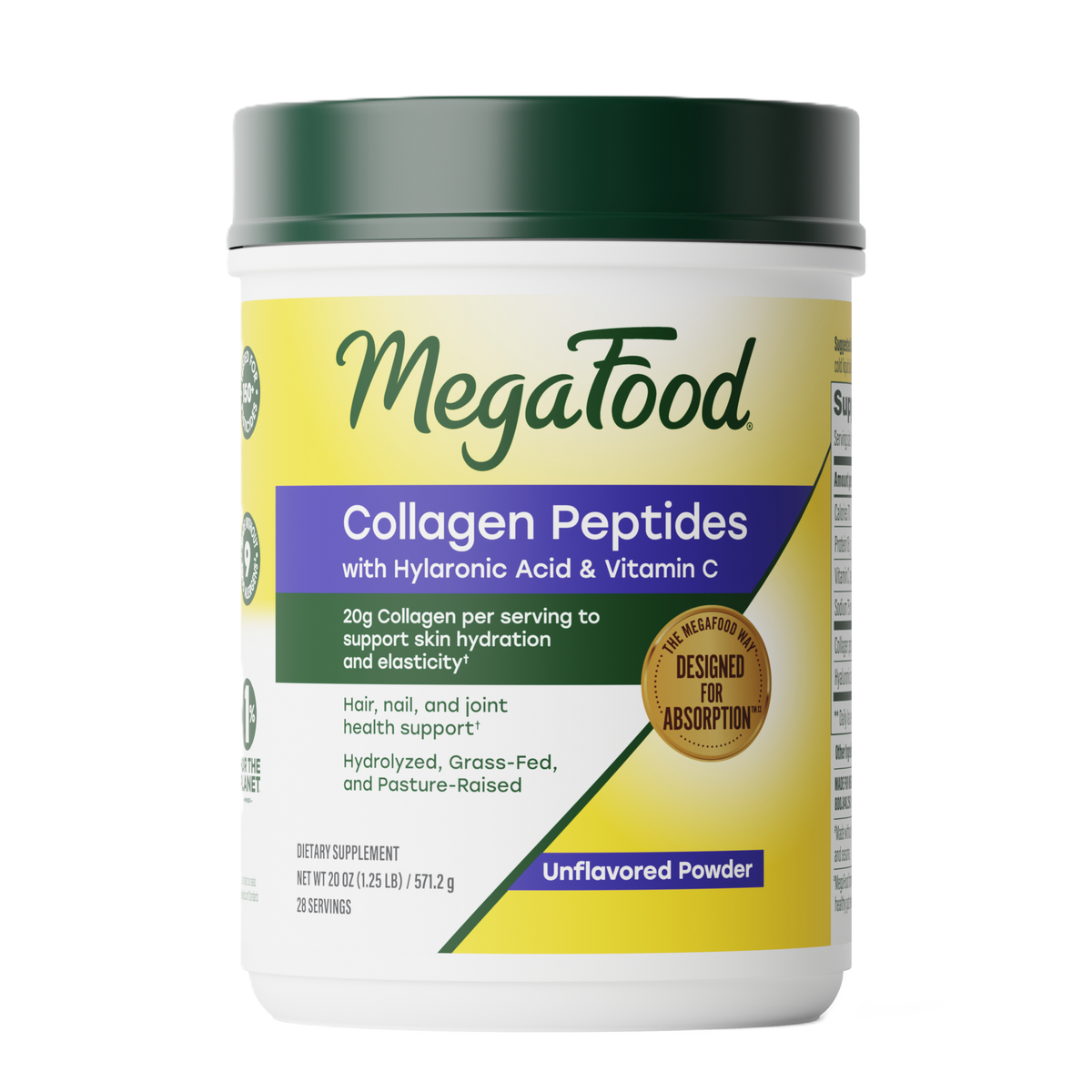
Collagen supplements are often included in beauty-from-within routines as a source of collagen peptides. These peptides are small fragments of collagen protein that are easier for the body to absorb during digestion.
Once absorbed, collagen peptides provide amino acids that contribute to connective tissue maintenance throughout the body. Some research suggests certain peptides may also help support dermal fibroblast activity, which plays a role in maintaining the skin’s collagen matrix.
When combined with supportive nutrients and balanced nutrition, collagen supplements may complement broader strategies aimed at maintaining skin structure.
Antioxidants for Skin Radiance and Resilience
In addition to structural proteins such as collagen, antioxidant nutrients play an important role in maintaining skin vitality. Free radicals are produced both through normal metabolic processes and through environmental exposures such as sunlight and pollution.
When free radicals accumulate faster than the body can neutralize them, they contribute to oxidative stress that may affect cellular structures over time. Antioxidants help maintain balance by neutralizing these reactive molecules and supporting the body’s natural defense systems.
Antioxidant Support Nutrients
Vitamin C and vitamin E are two well-known antioxidant nutrients that contribute to skin health. Together they help support the body’s ability to protect cells from oxidative stress while also participating in processes related to connective tissue maintenance.
Plant foods provide a wide range of antioxidant phytonutrients. Examples of antioxidant-rich foods include:
- berries
- leafy greens
- Tomatoes
- carrots and sweet potatoes
- green tea
These nutrients support overall cellular resilience and complement the body’s natural antioxidant defenses.
Hydration and Barrier Support from Within
While antioxidants and structural proteins contribute to skin resilience, hydration and barrier integrity help determine how the skin feels and functions day to day. Skin hydration is influenced not only by topical skincare but also by internal nutrition.
Healthy Fats
Healthy fats—particularly monounsaturated fats and omega-3 fatty acids—play an important role in maintaining cell membranes throughout the body, including those found in skin cells. These fats help support the skin’s natural barrier, which allows skin to retain moisture and protect against external stressors.
Foods rich in healthy fats include:
- avocados
- nuts and seeds
- olive oil
- fatty fish
Hyaluronic Acid
Hyaluronic acid is a naturally occurring compound produced by the body and found throughout connective tissues, including the skin. One of its key roles is helping bind and retain water, which contributes to skin hydration.
This moisture-binding ability helps support a smooth, supple appearance. Like collagen, the body’s natural production of hyaluronic acid gradually declines over time, which is why it is often included in routines that focus on maintaining skin hydration.
A Daily Beauty-from-Within Routine
Healthy skin is supported by consistent daily habits rather than quick fixes. A beauty-from-within routine brings together several layers of nutritional support that work alongside topical skincare and healthy lifestyle practices.
A balanced routine may include:
- A food-first foundation
- Whole foods provide the vitamins, minerals, healthy fats, and phytonutrients that support skin structure, cellular renewal, and antioxidant defenses.
- Prioritize hydration
- Being well-hydrated allows for molecules like hyaluronic acid to sequester water into the skin matrix for fuller and softer skin.
- A daily multivitamin
- A multivitamin can help support baseline nutrient intake and help fill potential gaps in the diet.
- Targeted skin-support nutrients
- Some people include additional nutrients such as collagen, vitamin C, omega-3 fatty acids, or hyaluronic acid as part of a routine that supports connective tissue, hydration, and antioxidant balance.
- Consistency over time
- Supporting skin health is a long-term practice. Over time, consistent nourishment and supportive daily habits contribute to the biological systems that help skin maintain resilience and vitality.
Supporting Skin for the Long Run
Healthy skin reflects the cumulative effects of daily habits—from the foods we eat to how consistently we care for our bodies. The concept of skin longevity shifts the focus away from quick fixes and toward long-term nourishment that supports the skin’s natural structure and resilience.
Nutrients that contribute to collagen formation, antioxidant defenses, hydration, and connective tissue health all play a role in maintaining skin vitality over time. When combined with a balanced diet and thoughtful self-care, these daily practices form the foundation of a beauty-from-within approach that supports healthy skin at every age.
Scientific References
- Pullar JM, Carr AC, Vissers MCM. The Roles of Vitamin C in Skin Health. Nutrients. 2017;9(8):866.
- Proksch E, Segger D, Degwert J, Schunck M, Zague V, Oesser S. Oral Intake of Specific Bioactive Collagen Peptides Reduces Skin Wrinkles and Increases Dermal Matrix Synthesis. Skin Pharmacology and Physiology. 2014;27(3):113–119.
- Schagen SK, Zampeli VA, Makrantonaki E, Zouboulis CC. Discovering the Link Between Nutrition and Skin Aging. Dermato-Endocrinology. 2012;4(3):298–307.
- Kim J, Kim H, Lim H. Effects of Omega-3 Fatty Acids on Skin Health. Nutrients. 2020;12(10):3046.
- Stahl W, Sies H. Carotenoids and Flavonoids Contribute to Nutritional Protection Against Skin Damage from Sunlight. Molecular Biotechnology. 2007;37:26–30.



Leave a comment
This site is protected by hCaptcha and the hCaptcha Privacy Policy and Terms of Service apply.