
You’ve probably been hearing more about fiber lately—and for good reason. From social media trends like “fibermaxxing” to everyday nutrition advice, fiber is getting a lot of attention.
But here’s something many people don’t realize: most Americans only get about 15–16 grams of fiber per day—roughly half of what’s recommended.¹²
So what does fiber actually do, and how much do you really need?
This guide breaks it down in a simple, practical way—so you can feel confident about supporting your daily fiber intake without overcomplicating things.
What Is Fiber?
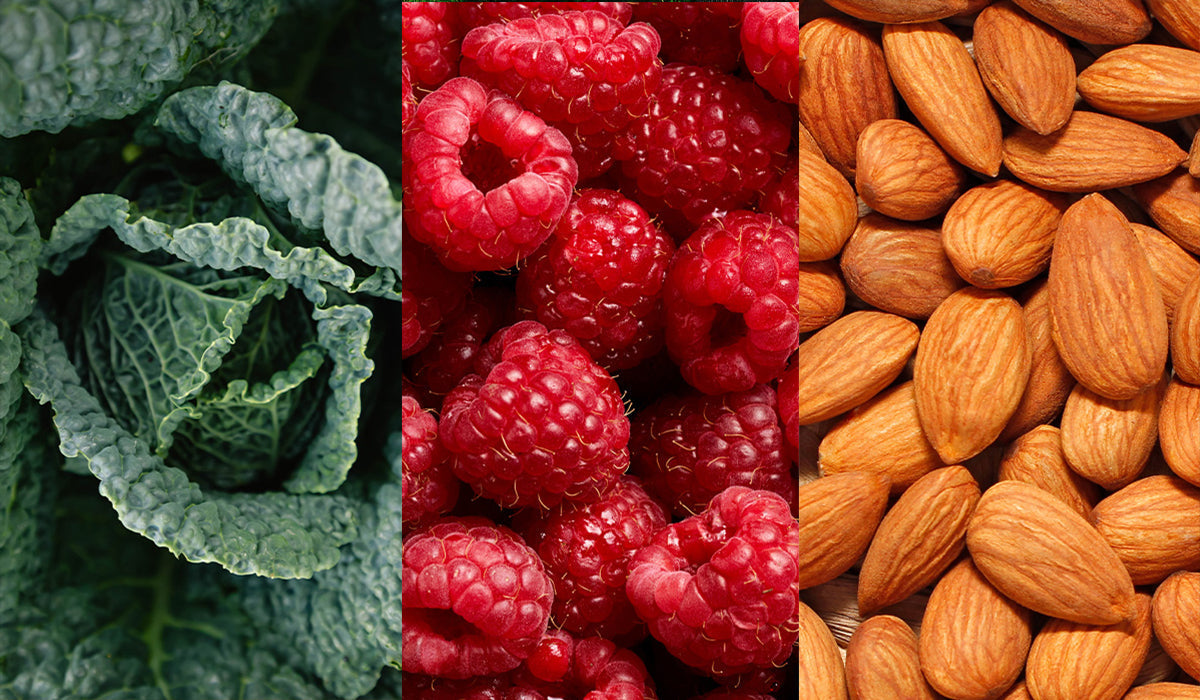
Fiber is a type of carbohydrate found in plant foods like fruits, vegetables, whole grains, beans, nuts, and seeds. Unlike other carbs, fiber isn’t fully broken down during digestion. Instead, it moves through your digestive system, helping support the movement of food through the digestive tract and a healthy gut environment. Some types of fiber—like prebiotic fiber—also help nourish beneficial gut bacteria, which play a role in digestion and nutrient absorption.
Why Fiber Matters
Fiber supports your body in a few key ways:
- Supports digestive health and regularity
- Helps nourish beneficial gut bacteria
- Supports nutrient absorption through a healthy gut environment
- Helps you feel satisfied after meals
Because fiber moves through the digestive system rather than being fully broken down, it plays a unique role in how your body processes food and maintains balance in the gut.
Most People Aren’t Getting Enough Fiber
If you feel like fiber is getting more attention lately, there’s a reason for it—most people aren’t getting enough.
- The average fiber intake in the U.S. is only about 15–16 grams per day¹²
- That’s about half of the recommended amount for most adults¹
- Around 90–95% of Americans don’t meet daily fiber recommendations³
This gap between what we’re eating and what we need is often called the “fiber gap.”
It’s one of the reasons fiber is considered a nutrient of concern in the U.S.³
Types of Fiber (And Why They Both Matter)
There are two main types of fiber, and both play important roles in supporting digestive health:
Soluble fiber
- Dissolves in water to form a gel-like texture
- Helps slow digestion and supports a more gradual movement of food through the digestive tract
- Found in foods like oats, beans, apples, and flaxseeds
Insoluble fiber
- Does not dissolve in water and adds bulk
- Helps support the movement of food through the digestive system and promotes regularity
- Found in whole grains, nuts, seeds, and many vegetables
Most plant foods contain a mix of both, which is why eating a variety of fiber-rich foods can help support overall digestive balance.
How Much Fiber Do You Need?
Daily fiber needs can vary, but general recommendations are:
- Women: about 25 grams per day⁴
- Men: about 38 grams per day⁴
- Children: needs vary by age, but a simple guideline is age + 5 grams per day⁵
You might notice that fiber needs are higher for men. That’s largely because recommendations are based on about 14 grams of fiber per 1,000 calories consumed, and men typically have higher calorie needs⁴.
If you’re currently eating less than these amounts, you don’t need to change everything overnight. Gradually increasing your intake can help your body adjust more comfortably.
Easy Ways to Add More Fiber to Your Day
Supporting your fiber intake doesn’t have to be complicated. Try starting with:
- Adding berries or chia seeds to breakfast
- Swapping refined grains for whole grains
- Including beans or lentils in meals
- Snacking on nuts, seeds, or fruit
- Choosing foods with naturally occurring fiber
The goal is to build habits that feel doable and sustainable.
What About Prebiotic Fiber?
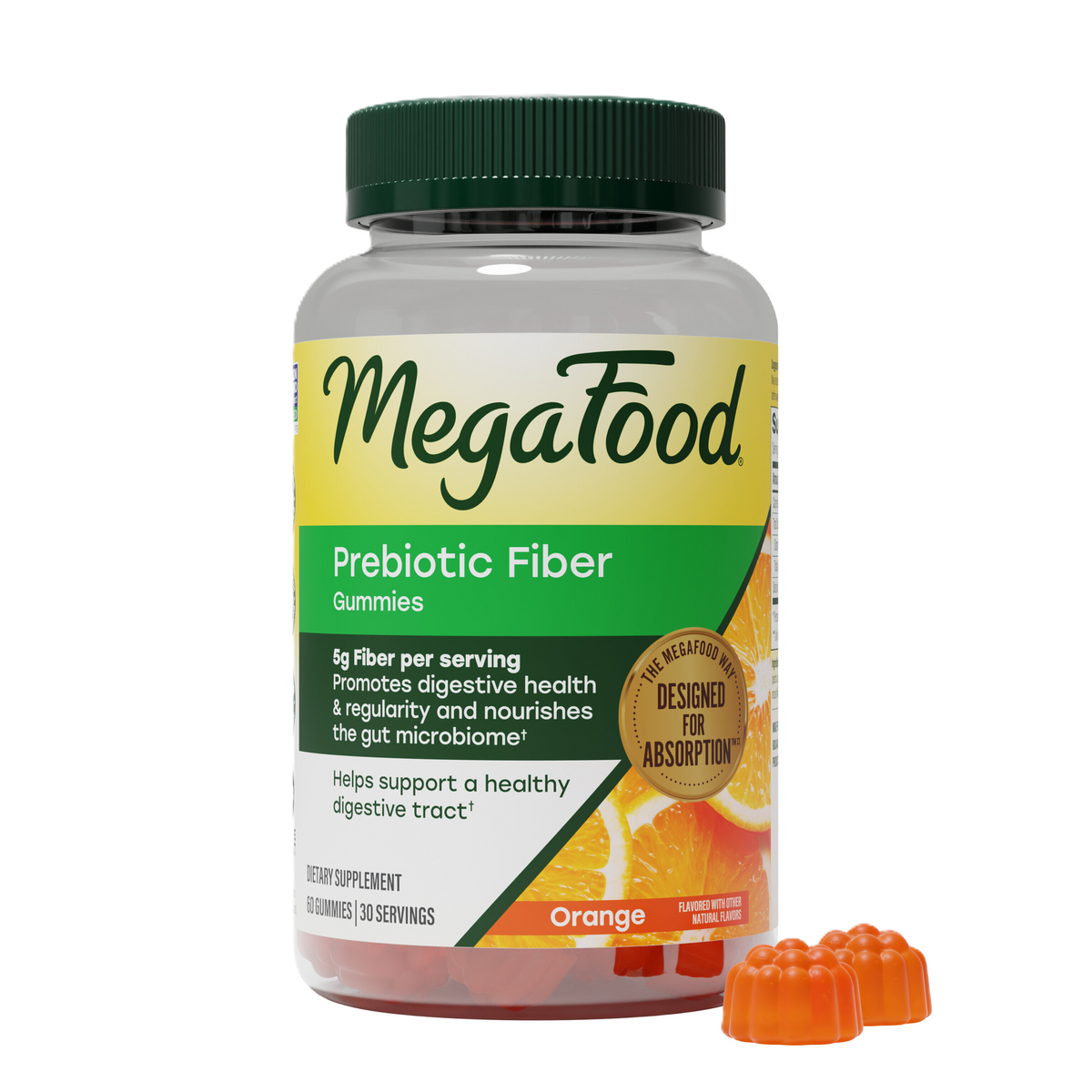
Some types of fiber—called prebiotic fiber—help nourish beneficial bacteria in the gut. Prebiotic fiber nourishes a healthy gut microbiome and helps support nutrient absorption. You can find prebiotic fiber in foods like garlic, onions, bananas, and whole grains, as well as in certain supplements.
A Note on Fiber Supplements
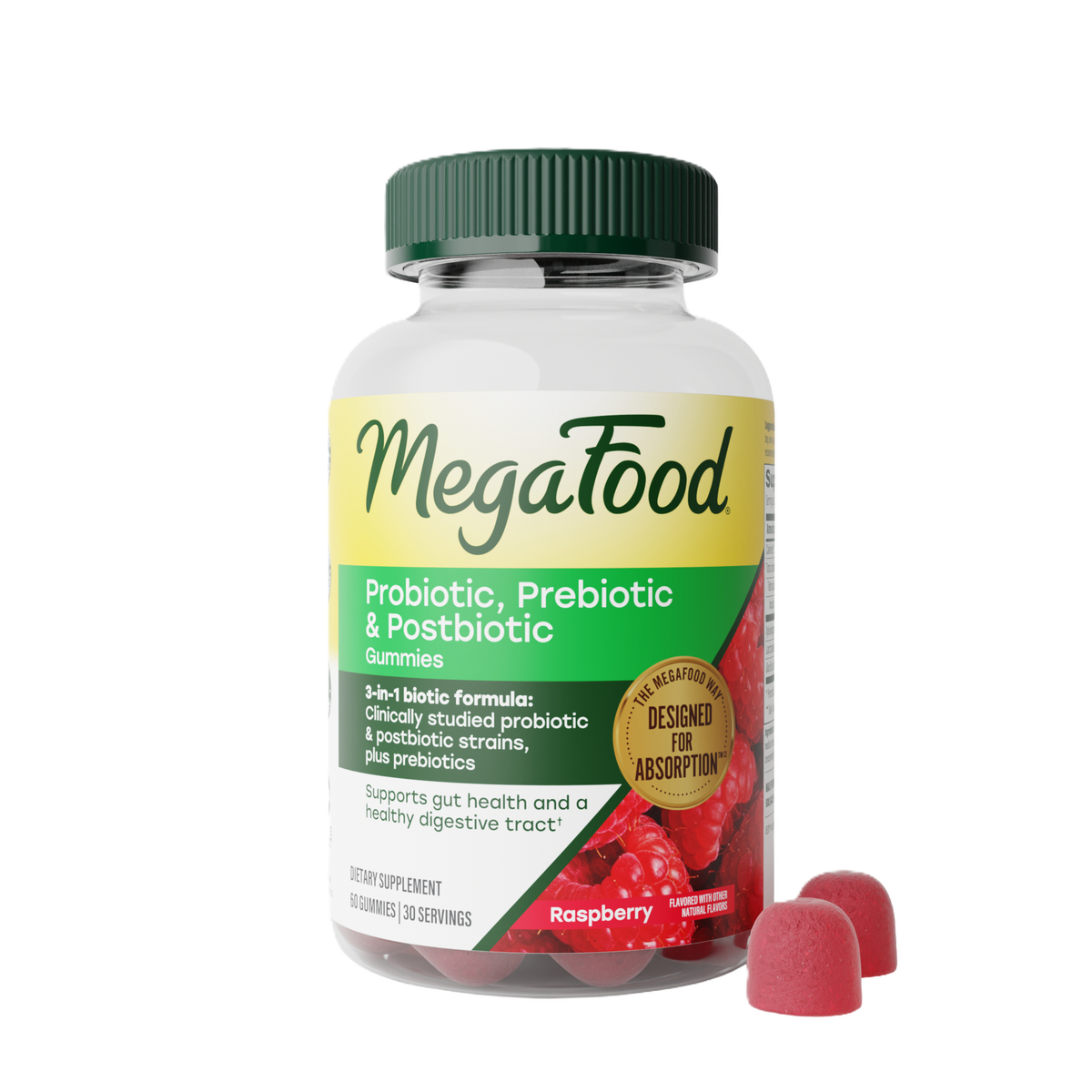
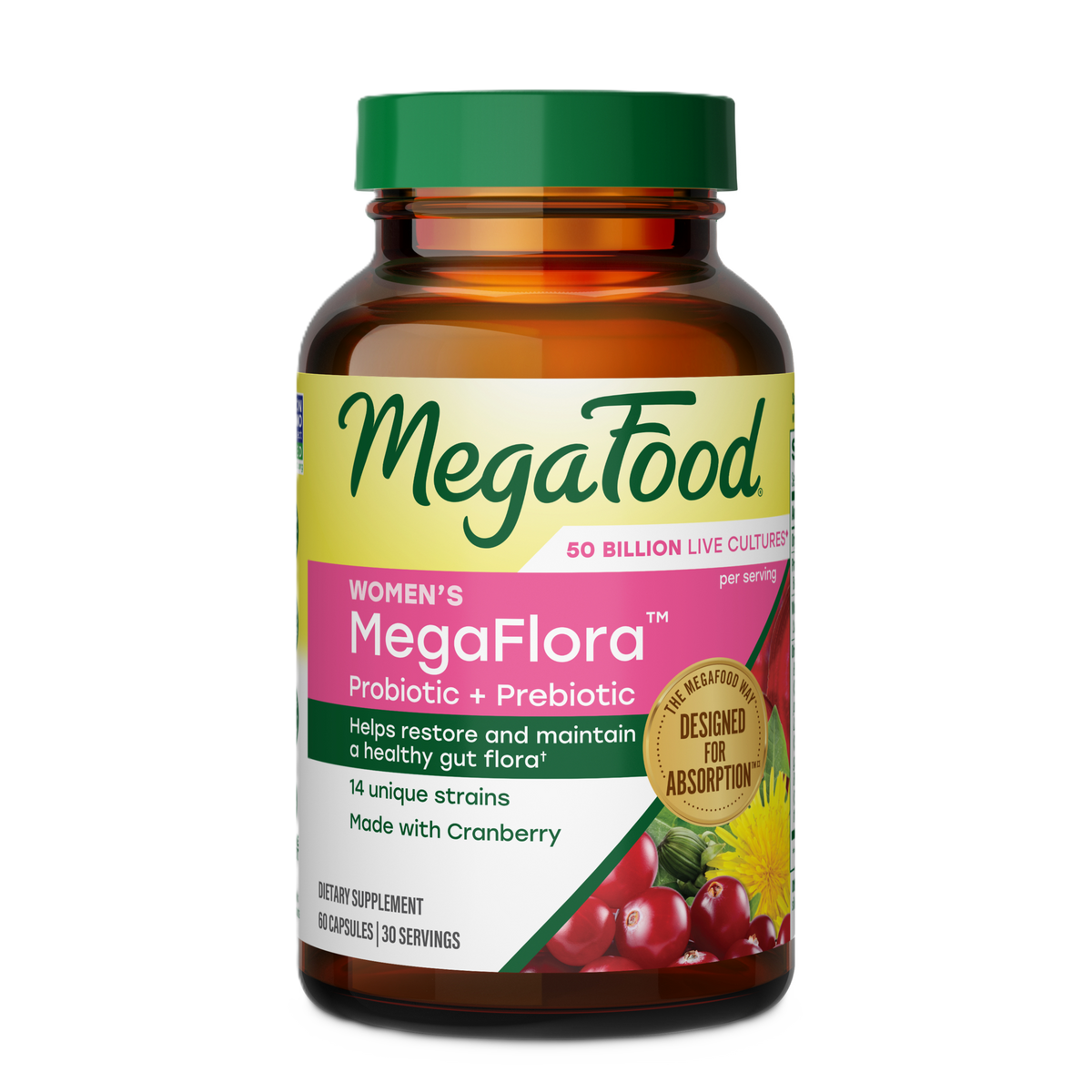
Food is a great place to start when it comes to fiber—but it’s not always easy to get enough every day, especially when routines are busy or meals are less predictable. Fiber supplements can be a helpful way to support your daily intake, especially when paired with a balanced diet.
When choosing a supplement, look for:
- Prebiotic fiber to help nourish beneficial gut bacteria
- Convenient formats that are easy to take consistently
- Options that fit into your routine without adding extra steps
- Products made with high-quality ingredients and backed by rigorous testing for purity and quality
Choosing supplements that are tested to ensure they meet high standards for quality and safety can help give you added confidence in what you’re taking. As with any increase in fiber, it’s best to start slowly and drink plenty of water to support a more comfortable experience.
Keep It Simple
Getting enough fiber doesn’t have to be complicated—or perfect. It’s about finding simple ways to add more fiber-rich foods into your day, building routines that work for you, and making small choices you can stick with. Over time, those habits can help support your digestion and overall wellness in a way that feels realistic and sustainable.
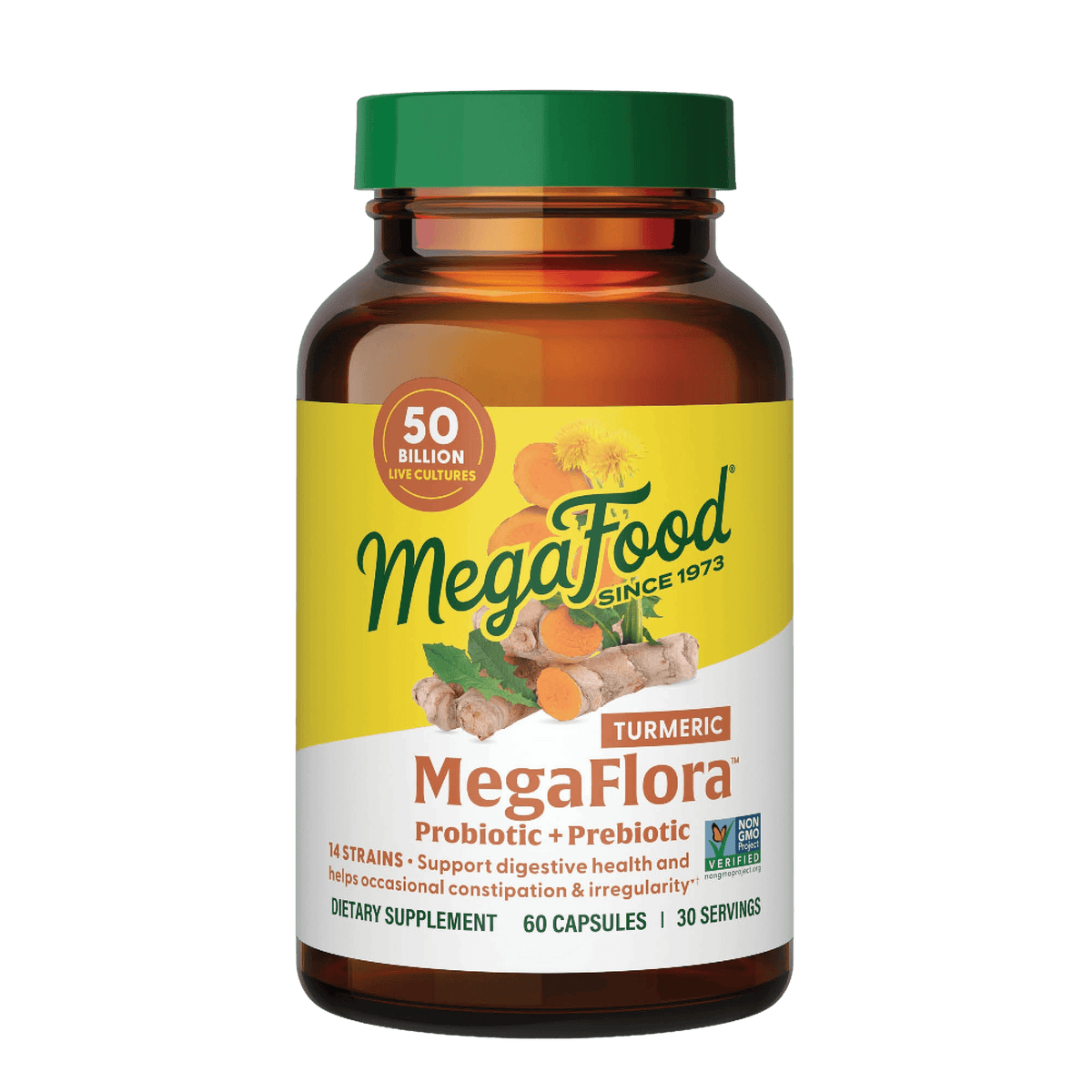
Interested in supplementing your daily fiber intake? Check out MegaFood’s fiber formulas here!
References
- UCSF Health. Increasing Fiber Intake.
- U.S. Department of Agriculture (USDA). What We Eat in America, NHANES Fiber Intake Data.
- U.S. Department of Agriculture & U.S. Department of Health and Human Services. Dietary Guidelines for Americans.
- Institute of Medicine. Dietary Reference Intakes for Energy, Carbohydrate, Fiber, Fat, Fatty Acids, Cholesterol, Protein, and Amino Acids.
- Mayo Clinic. High-Fiber Foods: Why They’re Important.




Leave a comment
This site is protected by hCaptcha and the hCaptcha Privacy Policy and Terms of Service apply.