
From Free Radicals to Health Benefits
Antioxidants are a popular topic in wellness conversations—but what exactly are they, and why are they important? To answer those questions, it helps to understand what free radicals are, how they affect the body, and the role antioxidants play in maintaining balance and overall health.
What Are Free Radicals?
Free radicals are unstable molecules that are naturally produced in the body during processes like metabolism. They can also form in response to environmental stressors such as pollution, UV exposure, and even normal immune responses.
In small amounts, free radicals are a normal part of life. But when there’s an imbalance—too many free radicals and not enough antioxidants—cells may experience oxidative stress.
What Are Antioxidants?
Antioxidants are compounds—found in both food and supplements—that help protect the body’s cells from oxidative stress. They do this by neutralizing free radicals before they can cause damage. Nutrients like vitamins A, C, and E, trace minerals such as zinc and selenium, and plant-based compounds from fruits and vegetables are all examples of antioxidants.
How Do Antioxidants Work?
Antioxidants donate electrons to free radicals, helping stabilize and neutralize them. This process helps support immune cells against oxidative stress, supports overall wellness, and contributes to healthy aging. Antioxidants have also been linked to benefits for gut and digestive health, making them a truly important part of daily nutrition.
Antioxidants in the Diet
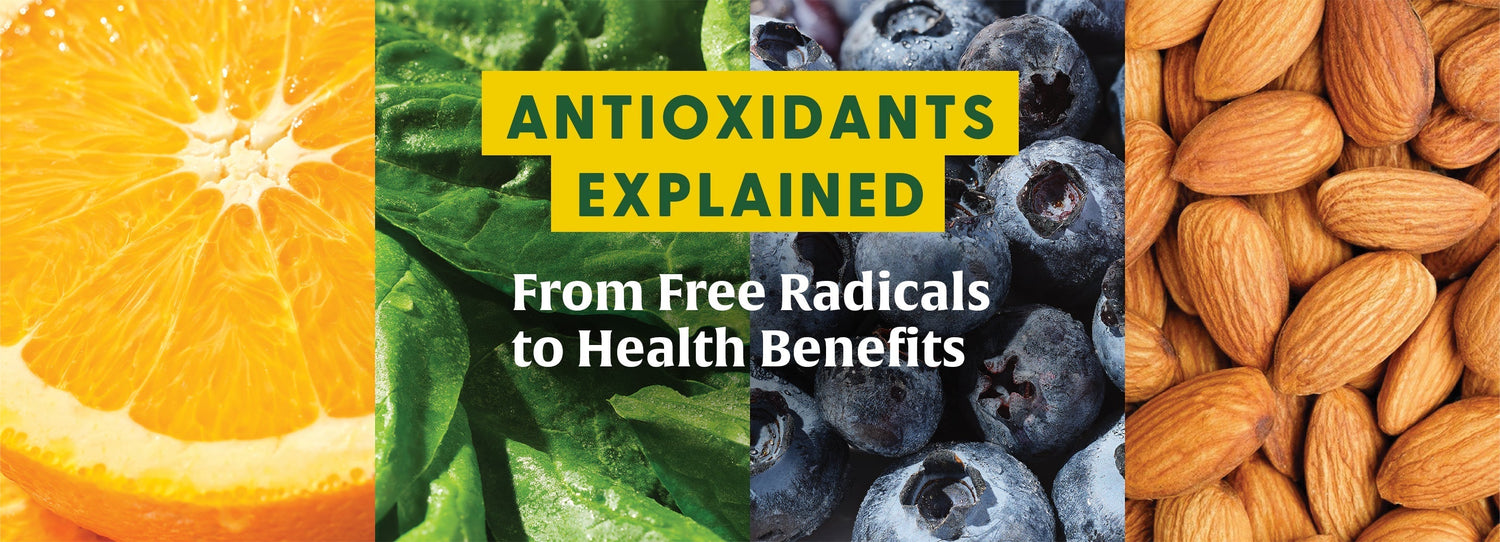
If you’ve ever wondered “What foods are high in antioxidants?”—the answer is colorful plant foods. Berries, leafy greens, carrots, nuts, seeds, and citrus fruits are all rich sources. Vitamins and minerals in these foods, along with natural plant compounds like flavonoids, provide a wide spectrum of antioxidant activity.
Eating a variety of whole foods is the best way to ensure your diet includes many different antioxidants. However, it isn’t always easy to get enough daily—especially when busy schedules make it hard to consistently eat a rainbow of fruits and vegetables. In those cases, supplementation can play a supportive role.
Which Nutrients Are Considered Antioxidants?
Several well-studied vitamins and minerals provide antioxidant activity and are worth prioritizing in your diet:
- Vitamin A: Supports healthy aging and helps protect cells from oxidative stress.
- Vitamin C: Helps neutralize free radicals in the body and supports immune health.
- Vitamin E: Supports a healthy immune system and helps neutralize free radicals in the body.
- Zinc & Selenium: Trace minerals with antioxidant activity that help protect immune cells from oxidative stress.
Together, these nutrients are essential for maintaining the body’s natural defenses—helping to fight free radicals, support immune health, and promote overall wellness.
Bringing It Together
If you’ve ever asked, “Why are antioxidants good for you?” the answer lies in their role: they help protect cells from free radicals, support immune health, and contribute to healthy aging. A nutrient-rich diet filled with fruits and vegetables provides a strong foundation, while supplements can help fill gaps when life gets busy.



Leave a comment
This site is protected by hCaptcha and the hCaptcha Privacy Policy and Terms of Service apply.