

Understanding Your Body's Natural Stress Hormone
If you've spent any time on social media lately, you've probably seen cortisol blamed for everything from stubborn belly fat to poor sleep and low energy. While cortisol often gets a bad reputation, the reality is much more nuanced.
Cortisol isn't something your body needs to get rid of—it's something your body needs. This essential hormone helps regulate your sleep-wake cycle, supports metabolism, helps your body respond to stress, and plays an important role in many everyday functions.¹
Like many things in the body, it's all about balance.
Understanding what cortisol does—and how healthy habits support your body's natural stress response—can help separate science from social media.
What Is Cortisol?
Cortisol is a hormone produced by your adrenal glands, two small glands that sit on top of your kidneys. Its release is controlled by a communication network between the brain and adrenal glands known as the hypothalamic-pituitary-adrenal (HPA) axis.¹
Although it's often called the "stress hormone," cortisol does much more than respond to stressful situations. Your body produces cortisol every day as part of its normal physiology.
Cortisol Follows a Natural Daily Rhythm
One of cortisol's most important roles is helping regulate your body's natural daily rhythm.
In healthy adults, cortisol typically:
- Begins to rise in the early morning
- Peaks shortly after waking
- Gradually declines throughout the day
- Reaches its lowest levels overnight while you sleep¹
This daily pattern helps support alertness in the morning and allows your body to transition toward rest later in the day. Because of this natural rhythm, having higher cortisol levels in the morning is completely normal.
What Does Cortisol Do?
Cortisol helps coordinate many important processes throughout the body. It helps:
- Support your body's response to physical and emotional stress¹
- Regulate how the body uses carbohydrates, fats, and proteins for energy¹
- Help maintain healthy blood sugar levels already within the normal range¹
- Support healthy blood pressure already within the normal range¹
- Help regulate normal immune and inflammatory responses¹
- Contribute to your natural sleep-wake cycle¹
Rather than being harmful, cortisol is an essential part of how your body adapts to everyday life.
Does Stress Affect Cortisol?
Yes. When your brain perceives a challenge—whether it's exercising, preparing for a presentation, recovering from an illness, or navigating emotional stress—it signals your adrenal glands to release cortisol. This is a normal and healthy response designed to help your body adapt to changing demands. Once the situation has passed, cortisol generally returns to its normal daily rhythm.¹
Researchers continue to study how chronic stress may influence cortisol regulation over time and how healthy lifestyle habits support the body's ability to adapt to everyday stressors.²
Supporting a Healthy Stress Response
Stress is a normal part of life, and your body is designed to respond to it. While it's impossible to eliminate stress entirely, everyday habits can help support your body's natural ability to adapt.
Healthy habits include:
- Prioritizing consistent, restorative sleep
- Eating balanced meals throughout the day
- Staying physically active
- Taking time to recharge through activities like mindfulness, spending time outdoors, reading, or connecting with loved ones
Like many aspects of wellness, supporting your body's stress response isn't about finding one perfect solution—it's about building healthy habits you can maintain over time.
Ingredients That Support a Healthy Stress Response
Lifestyle habits provide the foundation for supporting your body's natural stress response. Some people also choose supplements that contain ingredients traditionally used to help the body adapt to occasional stress.
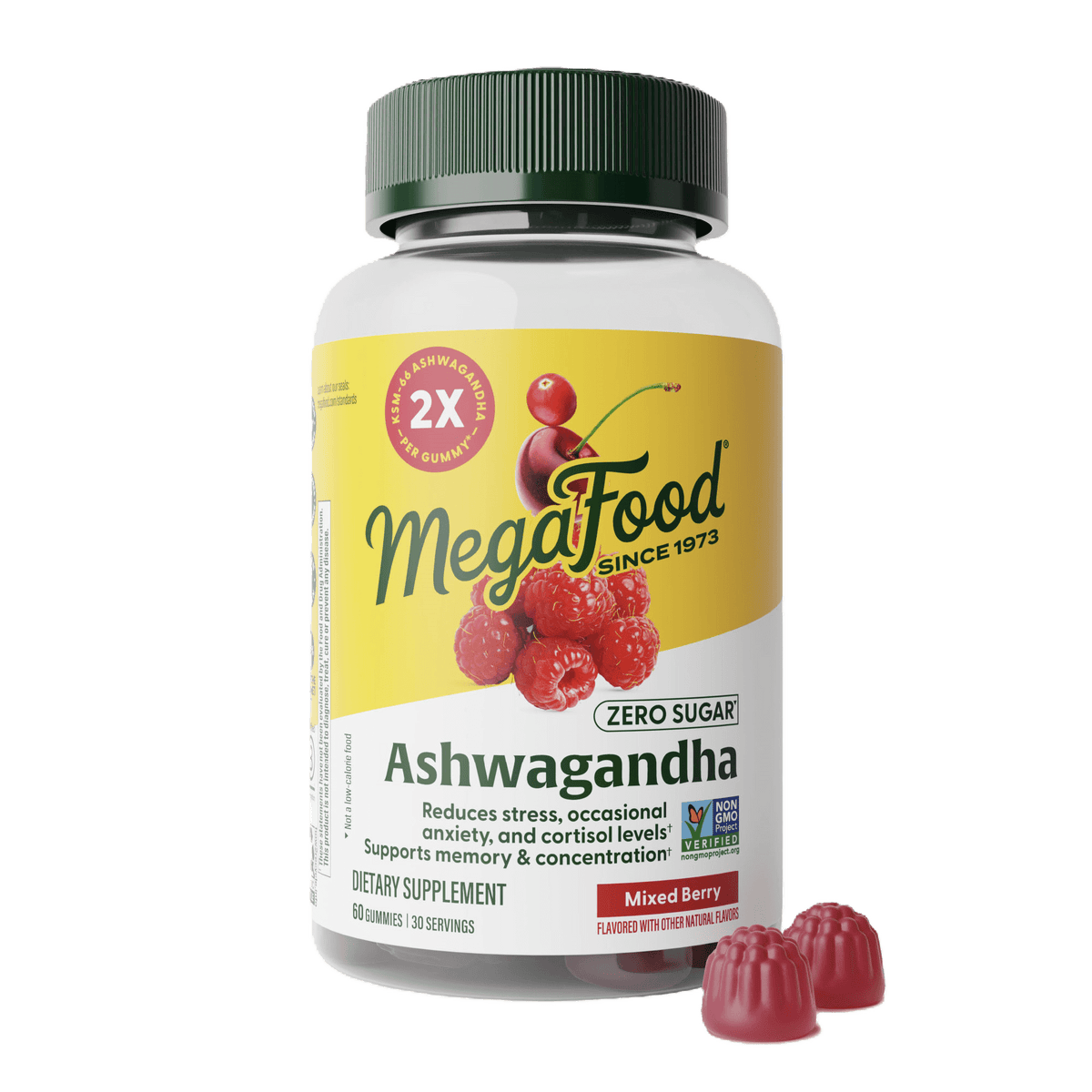
Ashwagandha
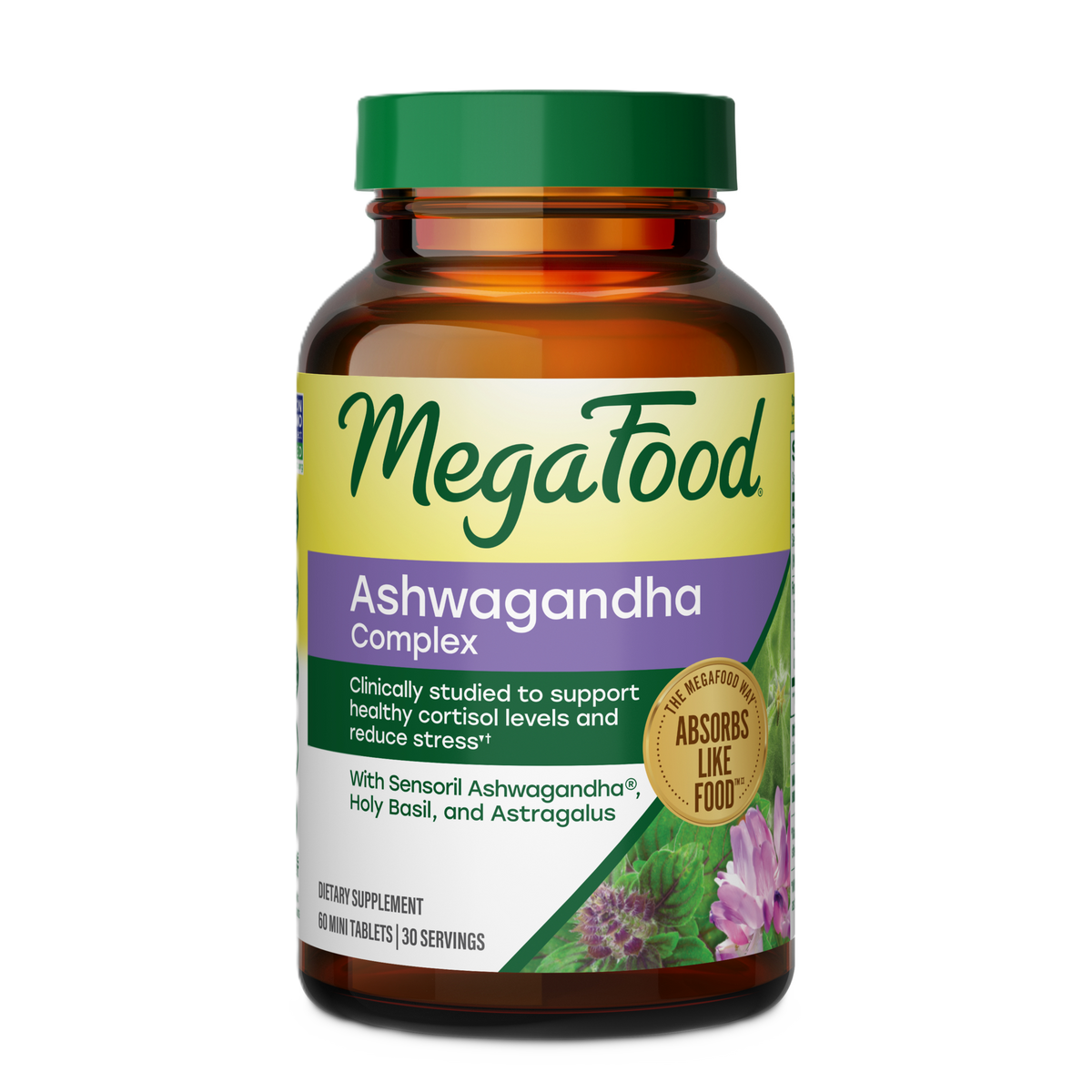
Ashwagandha (Withania somnifera) is an herb that has been used in traditional Ayurvedic practices for centuries. Today, it's one of the most widely studied adaptogens and is commonly included in supplements designed to support the body's response to occasional stress.
Clinically studied extracts such as KSM-66® and Sensoril® have been researched for their ability to help support a healthy stress response and healthy cortisol levels.†
Vitamin B5
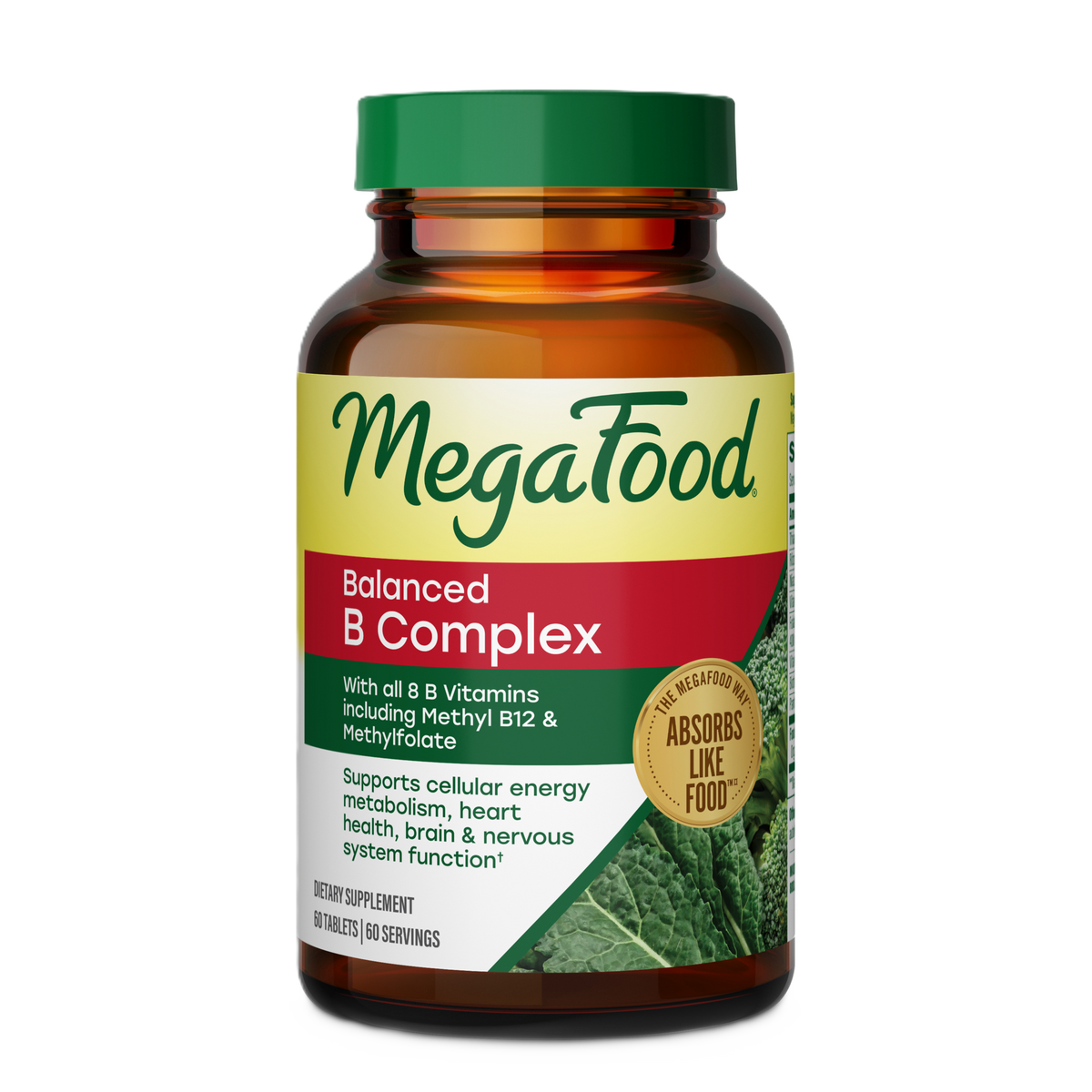
Vitamin B5, also known as pantothenic acid, is an essential B vitamin that helps support a healthy stress response. Because the adrenal glands naturally produce cortisol, vitamin B5 is often included in formulas designed to support everyday stress wellness.†
Cortisol Myths
FAQ: Is cortisol good or bad?
Neither. Cortisol is an essential hormone your body needs every day. It helps regulate your sleep-wake cycle, supports metabolism, helps your body respond to stress, and plays a role in immune function. Problems arise when cortisol regulation is disrupted—not because cortisol itself is "bad."¹
FAQ: What causes cortisol to increase?
Cortisol naturally rises and falls throughout the day as part of your body's internal clock. It also increases temporarily in response to physical or emotional stress, exercise, illness, or other challenges. This is a normal part of your body's stress response and helps you adapt to changing demands.¹
FAQ: Can you lower cortisol naturally?
Rather than trying to "lower cortisol," it's more helpful to focus on supporting your body's natural stress response. Consistent sleep, balanced nutrition, regular physical activity, and stress-management practices all support overall wellness and healthy cortisol rhythms.²
FAQ: What are adaptogens?
Adaptogens are herbs traditionally used to help the body adapt to occasional stress. While research is ongoing, some adaptogens—such as clinically studied ashwagandha extracts like KSM-66® and Sensoril®—have been studied for their ability to support a healthy stress response and healthy cortisol levels.†
FAQ: Does everyone need a cortisol supplement?
Not necessarily. Healthy lifestyle habits remain the foundation of supporting your body's natural stress response. Some people choose supplements containing ingredients like ashwagandha or vitamin B5 (pantothenic acid) to complement those habits, but supplements aren't a replacement for sleep, nutrition, movement, or stress management.†
FAQ: Should I test my cortisol?
Most healthy people don't need to monitor their cortisol levels. If you're concerned about persistent symptoms or think something may be affecting your hormone health, talk with your healthcare practitioner, who can determine whether testing is appropriate.
Putting It All Together
Despite its reputation online, cortisol isn't the enemy. It's an essential hormone that helps your body wake up in the morning, respond to challenges, regulate metabolism, and maintain balance throughout the day.
Supporting your body's natural stress response starts with consistent healthy habits—including nourishing food, quality sleep, regular movement, and time to recharge. For some people, supplements featuring clinically studied ingredients like Sensoril®, KSM-66®, and vitamin B5 (pantothenic acid) may also complement those habits as part of an overall wellness routine.† Looking for additional stress support? Check out our supplements for stress here.
References
- Charmandari E, Tsigos C, Chrousos GP. Endocrinology of the Stress Response. Annual Review of Physiology. 2005;67:259-284.
- Russell G, Lightman S. The Human Stress Response. Nature Reviews Endocrinology. 2019;15(9):525-534.
- McEwen BS. Protective and Damaging Effects of Stress Mediators. New England Journal of Medicine. 1998;338(3):171-179.


Leave a comment
This site is protected by hCaptcha and the hCaptcha Privacy Policy and Terms of Service apply.