
Myths, Facts & What Research Really Shows
Turmeric has been used for centuries in cooking and traditional wellness practices, and today, it’s one of the most recognizable herbal ingredients in the supplement aisle. But with that popularity comes plenty of confusion.
Is turmeric the same thing as curcumin? Does it need black pepper to work? Is more curcumin always better? And what about headlines linking turmeric supplements to liver damage?
Let’s separate some of the most common turmeric myths from what the research actually tells us.
Myth #1: “Turmeric and curcumin are the same thing”
The concern: The words “turmeric” and “curcumin” are often used interchangeably, especially when talking about supplements.
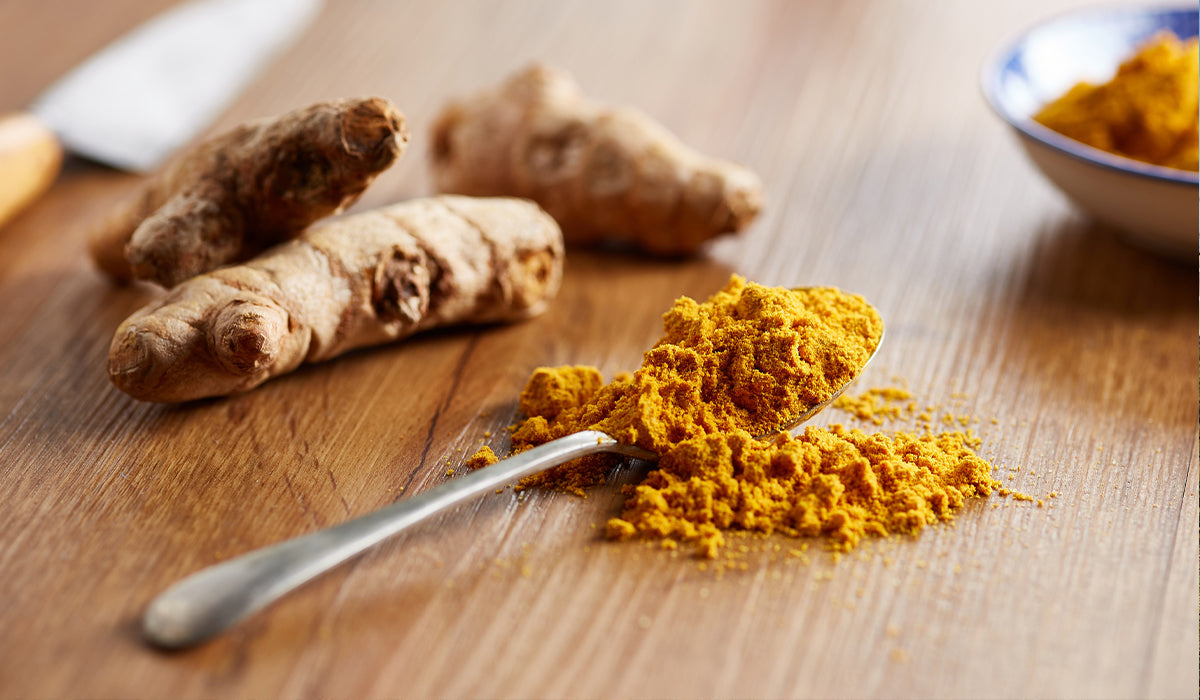
The truth: Turmeric (Curcuma longa) is a plant in the ginger family. Its root contains a variety of naturally occurring compounds, including a group called curcuminoids. Curcumin is the most abundant and most extensively studied of these curcuminoids, but it’s only one part of turmeric.
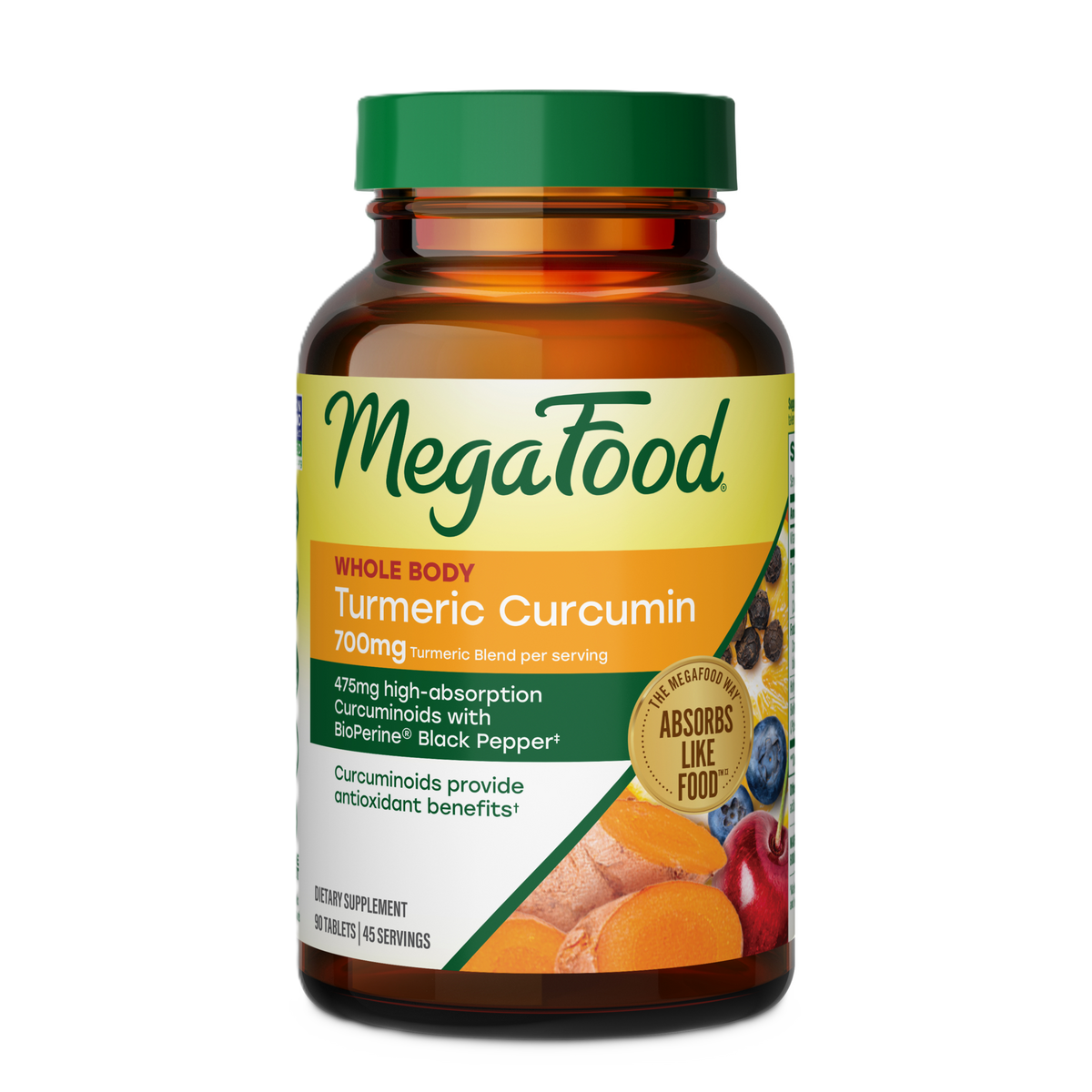
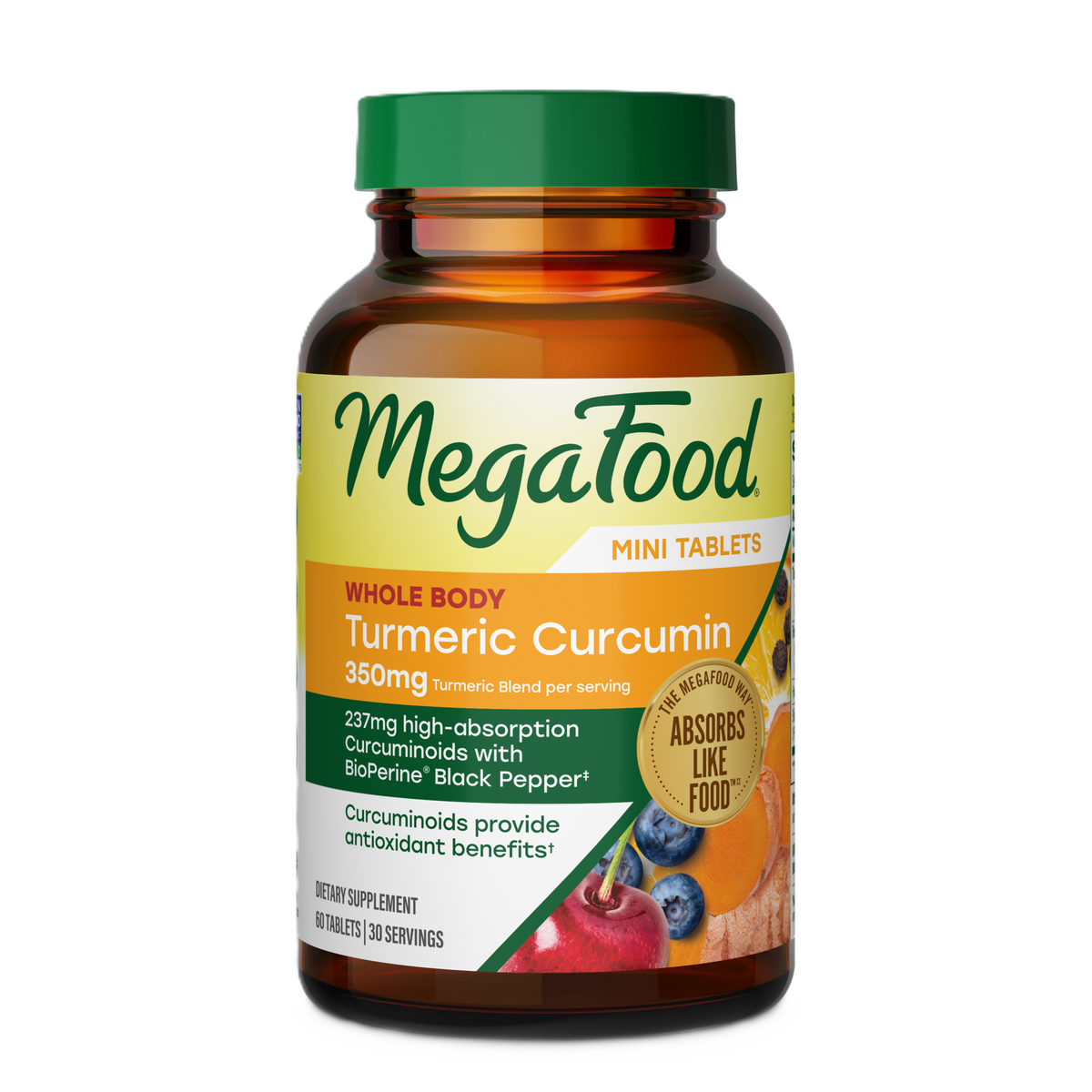
This distinction matters when comparing supplements. Some contain turmeric root, some contain concentrated turmeric extracts standardized to provide a certain amount of curcuminoids, and others focus specifically on curcumin. These aren’t necessarily interchangeable.
The takeaway: Curcumin comes from turmeric, but turmeric and curcumin aren’t the same thing. Check the Supplement Facts panel to understand which form, and how much, a product actually provides.
Myth #2: “You have to take turmeric with black pepper for it to work”
The concern: You may have heard that turmeric is essentially useless unless it’s paired with black pepper.
The truth: Curcumin naturally has relatively low bioavailability, meaning only a limited amount reaches circulation after you consume it. Piperine, a compound found in black pepper, is one way to increase curcumin’s bioavailability, but it isn’t the only one.
Curcumin is fat-soluble, so consuming turmeric with dietary fat may also help support its absorption. Pairing turmeric with fat isn’t exactly a new idea, either. Turmeric has a long history of use in Ayurveda, including traditional preparations that combine turmeric with fats such as ghee.
Modern supplements may take still other approaches to bioavailability, using different formulations or delivery systems designed to help the body absorb curcumin.
The takeaway: Black pepper can increase curcumin bioavailability, but it isn’t a requirement for enjoying turmeric or choosing a turmeric supplement. Food, formulation and the way a supplement is designed all matter.
Myth #3: “More curcumin means a better turmeric supplement”
The concern: If curcumin is one of turmeric’s best-known compounds, it seems logical that the supplement with the most curcumin must be the best.
The truth: There’s more to a turmeric supplement than the biggest number on the label.
Whole turmeric root naturally contains curcuminoids along with many other plant compounds. A standardized turmeric extract, on the other hand, is processed to consistently provide a specified concentration of curcuminoids. For example, an extract standardized to 95% curcuminoids provides a much more concentrated source of these compounds than the same amount of whole turmeric root.
Neither approach means that whole turmeric is “bad” or concentrated extracts are always “better.” In fact, some formulas combine whole turmeric with a standardized extract, providing the broader botanical alongside a consistent amount of its researched curcuminoids.
This is also why two products that both say “turmeric” on the front of the bottle can look very different on the Supplement Facts panel.
The takeaway: Rather than looking for the highest number of milligrams, look at what those milligrams represent. Whole turmeric root, standardized extracts and combinations of the two offer different potencies and phytochemical profiles.
Myth #4: “Cooking with turmeric is the same as taking a turmeric supplement”
The concern: If turmeric is a spice, why take a supplement? Can’t you simply add turmeric to your food?
The truth: Culinary turmeric can absolutely be part of a healthy, varied diet. Supplements simply offer another way to incorporate turmeric, often in a more concentrated or standardized form.
Turmeric root naturally contains a relatively small percentage of curcuminoids, while supplemental extracts may be standardized to provide a specific concentration. As a result, the amount and form of curcuminoids can be quite different between a turmeric-spiced meal and a dietary supplement.
The takeaway: Turmeric can have a place in both your kitchen and your supplement routine. They offer different ways to incorporate this well-known botanical.
Myth #5: “Turmeric is just for joint support”
The concern: Turmeric is often associated with joint health, so it’s easy to think that’s all this botanical has to offer.
The truth: Joint support is certainly one reason people turn to turmeric, but its benefits go beyond that. Curcuminoids, the active compounds found in turmeric, support a healthy inflammation response throughout the body. They also provide antioxidant benefits, helping to neutralize free radicals.
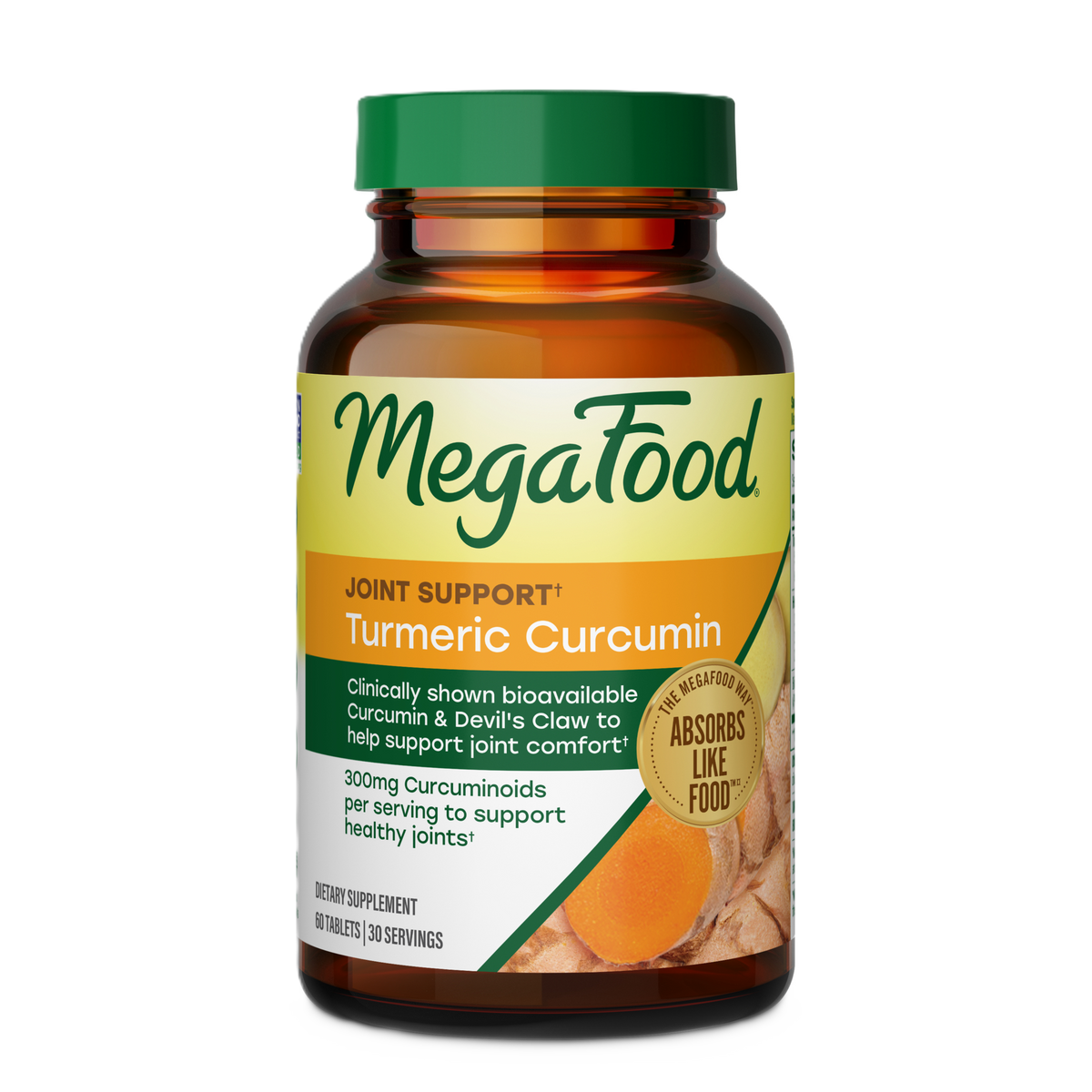
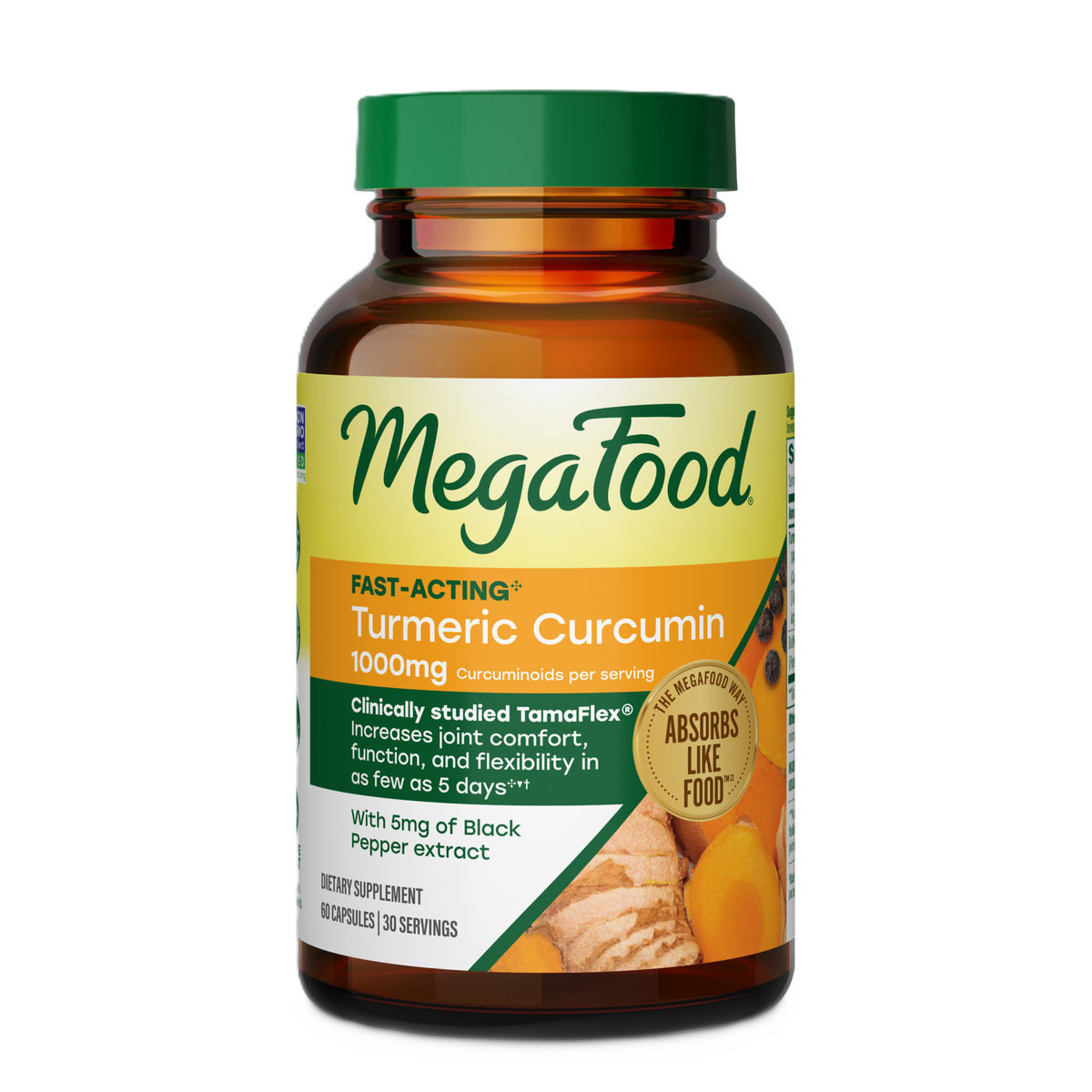
That makes turmeric a versatile botanical with benefits that extend beyond any single area of the body. And depending on the formula, turmeric supplements may be designed with more specific goals in mind, such as supporting joint comfort, function and flexibility.
The takeaway: Turmeric may be well known for joint support, but that’s only part of the story. Its curcuminoids also support a healthy inflammation response and provide antioxidant benefits.
Myth #6: “Because turmeric is natural, you can take as much as you want”
The concern: If turmeric is something you can find in your spice cabinet, does the amount really matter?
The truth: When it comes to supplements, the form and amount still matter. A turmeric supplement may provide whole turmeric root, a concentrated extract, a standardized amount of curcuminoids or some combination of these.
That’s very different from seasoning food with turmeric, and it’s one reason dietary supplements come with a suggested use. More isn’t necessarily better, even when an ingredient comes from a plant.
The takeaway: Enjoy turmeric in food and follow the suggested use when taking it as a supplement. With botanicals, thoughtful formulation matters more than simply taking more.
Myth #7: “Turmeric supplements cause liver damage”
The concern: You may have seen headlines or social media posts linking turmeric and curcumin supplements with liver damage. Understandably, that can make a familiar botanical suddenly sound risky.
The truth: The larger body of research on turmeric and curcumin is reassuring.
Turmeric and curcumin have been studied extensively, including in numerous clinical trials. A comprehensive safety review conducted by the United States Pharmacopeia (USP) found that clinical trials of turmeric and curcuminoid supplements have not reported organ toxicity or serious adverse events.1 In studies that assessed liver function specifically, researchers did not report adverse effects on liver parameters.
So where do the concerning headlines come from? Very rare cases of liver injury have been reported in people taking turmeric or curcumin supplements. These reports are important and continue to be studied, but they need to be viewed alongside the much larger body of safety data.
Researchers are still investigating why these rare reactions may occur. Evidence suggests that individual susceptibility may play a role, and some reported cases have involved other supplements, medications or products formulated to substantially increase curcumin absorption. That makes it difficult to apply these individual cases to turmeric supplements as a whole.
It’s also worth separating supplements from food. The safety concerns being investigated involve supplemental turmeric and curcumin, not the turmeric commonly used as a culinary spice.
The takeaway: Turmeric and curcumin have a strong overall record of safe use in clinical research. While very rare cases of liver injury have been reported and deserve continued research, they are not representative of the experience of most people who use turmeric supplements. Follow the suggested use and talk with your healthcare provider if you have a history of liver problems or questions about whether turmeric is right for you.
The Bottom Line
Turmeric has a long history of use, but centuries of familiarity don’t make it simple. Modern turmeric supplements can contain everything from whole turmeric root to concentrated curcuminoids and specially formulated curcumin, and those differences matter when comparing products and interpreting research.
Here’s what to remember:
- Turmeric and curcumin aren’t interchangeable terms.
- Black pepper is one way to enhance curcumin bioavailability, but it isn’t the only approach.
- More curcumin doesn’t automatically mean a better turmeric supplement.
- Culinary turmeric and concentrated supplements offer different ways to incorporate turmeric.
- Turmeric offers benefits beyond joint support, including support for a healthy inflammation response and antioxidant activity.
- Natural ingredients still have serving sizes and suggested uses.
- Turmeric and curcumin have a strong overall safety record in clinical research.
The best approach? Look beyond the front of the bottle. Pay attention to the form, formulation and suggested use, choose supplements from brands you trust, and talk with your healthcare provider when you have questions about what’s right for you.



Leave a comment
This site is protected by hCaptcha and the hCaptcha Privacy Policy and Terms of Service apply.