
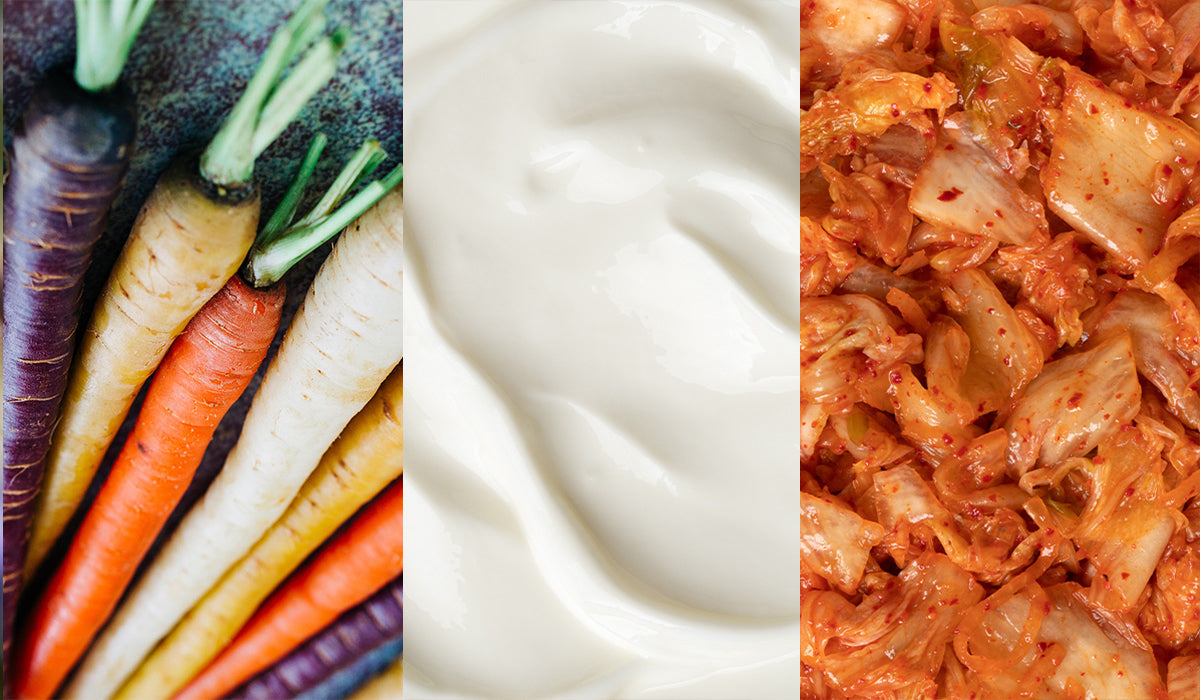
Curious About Fermented Foods? Start Here.
From tangy yogurt to crusty sourdough, fermented foods have nourished people around the world for thousands of years. Long before refrigeration, fermentation helped preserve foods, reduce waste, and transform simple ingredients into flavorful staples that became deeply rooted in culinary traditions.
Today, these time-honored foods are enjoying renewed attention as scientists continue to explore how fermented foods may support the gut microbiome and overall health. While there's still much to learn, one thing is clear: fermented foods are far more than a passing trend—they're an enduring part of how people have eaten for generations.¹–³
Whether you're just discovering fermented foods or looking to expand your menu, here's what fermentation is, why it matters, and six delicious foods to try.
What is fermentation?
Fermentation is a natural process in which microorganisms such as bacteria or yeast transform food. As they consume naturally occurring sugars and starches, they create compounds that influence a food's flavor, texture, aroma, and shelf life.¹
Humans have relied on fermentation for thousands of years to preserve foods and beverages around the world. Yogurt has long been enjoyed across Central Asia and the Middle East. Kimchi has been a cornerstone of Korean cuisine for centuries. Miso has flavored Japanese dishes for generations. Sourdough baking dates back to ancient civilizations, and sauerkraut has long been a staple throughout Central and Eastern Europe. While these foods come from different cultures, they all demonstrate how fermentation can transform simple ingredients into something entirely new.
Not every fermented food contains live microorganisms by the time you eat it. Foods like yogurt, kefir, kimchi, and some refrigerated sauerkraut may contain live cultures, while baked foods like sourdough or heat-treated products generally do not.¹
Why are fermented foods getting so much attention?
Interest in fermented foods has grown alongside research into the gut microbiome—the trillions of microorganisms that naturally live in and on the human body. Scientists are studying how diet influences this complex ecosystem and how it, in turn, may affect overall health.³
One frequently cited clinical trial found that adults who ate more fermented foods over a 10-week period experienced greater gut microbiome diversity along with reductions in several markers associated with inflammation.² While these findings are promising, researchers are still working to understand which fermented foods, amounts, and eating patterns may offer the greatest benefits.
It's also important to remember that no single food can do it all. Fermented foods are one piece of an overall balanced eating pattern that includes plenty of fruits, vegetables, legumes, whole grains, nuts, and seeds.³
Six fermented foods worth exploring
Yogurt
A timeless favorite
Yogurt has been enjoyed for thousands of years, likely originating as milk naturally fermented by beneficial bacteria. Today, it's one of the most familiar fermented foods around the world.
Many yogurts contain live and active cultures, though processing methods vary by product. Beyond fermentation, yogurt is also valued for its protein and calcium content, making it a versatile addition to breakfast, snacks, sauces, and smoothies.¹
Try it: With fresh berries and nuts, blended into a smoothie, or as the base for a savory herb sauce.
Kefir
The drinkable cousin to yogurt
Originating in the Caucasus Mountains, kefir has traditionally been made by fermenting milk with kefir grains—a community of beneficial bacteria and yeast. The result is a tangy, drinkable cultured dairy beverage enjoyed for generations.
Its pourable consistency makes kefir an easy addition to smoothies or a quick breakfast on busy mornings.
Miso
Centuries of umami
Made by fermenting soybeans with Aspergillus oryzae (commonly called koji), miso has been a cornerstone of Japanese cuisine for centuries. Fermentation gives miso its rich, savory flavor—known as umami—that adds depth to everything from soups to marinades.
Because a little goes a long way, miso is an easy ingredient to keep on hand for adding flavor to vegetables, grains, and dressings.
Try it: Stirred into soups, whisked into vinaigrettes, or brushed onto roasted vegetables.
Sauerkraut
Simple ingredients, lasting tradition
Sauerkraut is made by fermenting shredded cabbage with salt, a preservation method that has helped communities enjoy vegetables through the winter months for generations across Europe.
Its bright, tangy flavor pairs well with sandwiches, grain bowls, salads, and roasted vegetables.
If you're interested in foods that may contain live cultures, look for refrigerated varieties, as many shelf-stable products are heat processed.¹
Kimchi
A celebrated Korean tradition
Kimchi is much more than a single recipe—it's a cornerstone of Korean food culture. Hundreds of regional and family variations exist, each reflecting local ingredients, traditions, and tastes.
Most kimchi is made from napa cabbage or radish combined with garlic, ginger, and seasonings that create its signature bold flavor. Whether spicy or mild, kimchi brings brightness and complexity to rice bowls, noodles, tofu dishes, and more.
Sourdough
A delicious reminder that fermentation isn't just for dairy and vegetables
Sourdough begins with a simple starter made from flour, water, wild yeast, and naturally occurring bacteria. During fermentation, these microorganisms develop the bread's distinctive tangy flavor and chewy texture before the dough is baked.
Because sourdough is baked, it doesn't contain the live microorganisms found in some other fermented foods. Even so, it beautifully illustrates how fermentation has shaped one of humanity's oldest and most beloved foods.
Bringing fermented foods to your table
You don't need to eat every fermented food—or even like them all—to enjoy exploring this fascinating culinary tradition.
Start with one food that appeals to you. Maybe it's a bowl of yogurt with fresh fruit, a slice of toasted sourdough, a spoonful of miso in soup, or a little sauerkraut on a sandwich. As you become more comfortable, you might branch out to kefir or kimchi and discover new flavors along the way.
Like so many aspects of healthy eating, variety matters. Fermented foods can add flavor, texture, and cultural richness to your meals while contributing to an overall balanced dietary pattern.³
Resources
- Caffrey EB, et al. Unpacking Food Fermentation: Clinically Relevant Tools for Nutrition Professionals. Advances in Nutrition. 2025;16(3):100437.
- Wastyk HC, Fragiadakis GK, Perelman D, et al. Gut microbiota-targeted diets modulate human immune status. Cell. 2021;184(16):4137-4153.e14. doi:10.1016/j.cell.2021.06.019.
- Marco ML, Sanders ME, Gänzle M, et al. The International Scientific Association for Probiotics and Prebiotics (ISAPP) consensus statement on fermented foods. Nature Reviews Gastroenterology & Hepatology. 2021;18:196-208.



Leave a comment
This site is protected by hCaptcha and the hCaptcha Privacy Policy and Terms of Service apply.