
A Simple Guide to Understanding and Supporting Your Immune Health
As summer winds down and routines begin to shift, many people start thinking about ways to support their overall wellness. Whether you're returning to a busier schedule, helping your family transition into a new season, or simply looking to maintain healthy habits, immune health often becomes part of the conversation.
But what exactly does the immune system do, and what does it mean to support immune health?
Understanding the Immune System
The immune system is a complex network of cells, tissues, organs, and signaling molecules that work together to help protect the body and support overall health.
Unlike many body systems that perform a specific function, the immune system is constantly active. Every day, it interacts with the world around us while working alongside other systems throughout the body.
Because immune function relies on so many interconnected systems, supporting immune health is about much more than a single nutrient or supplement. Sleep, nutrition, physical activity, stress management, and other daily habits all play a role.
This is one reason conversations about immune health often focus on consistency rather than quick fixes.
Immune Health Starts Long Before You Need It
When people think about immune support, it's easy to focus on a particular moment or season. In reality, immune health is supported by habits practiced every day.
The nutrients that support immune function do not work in isolation. Neither do the lifestyle habits that support overall wellness. Nutrition, sleep, movement, hydration, and a healthy response to stress all contribute to maintaining normal immune function.
Like many aspects of health, the choices we make consistently over time can help build a foundation for long-term wellness.
Among these habits, nutrition is one of the most discussed.
Key Nutrients for Immune Health
Immune function relies on a variety of nutrients working together. Among the most commonly discussed are vitamin C, vitamin D, and zinc.
Vitamin C
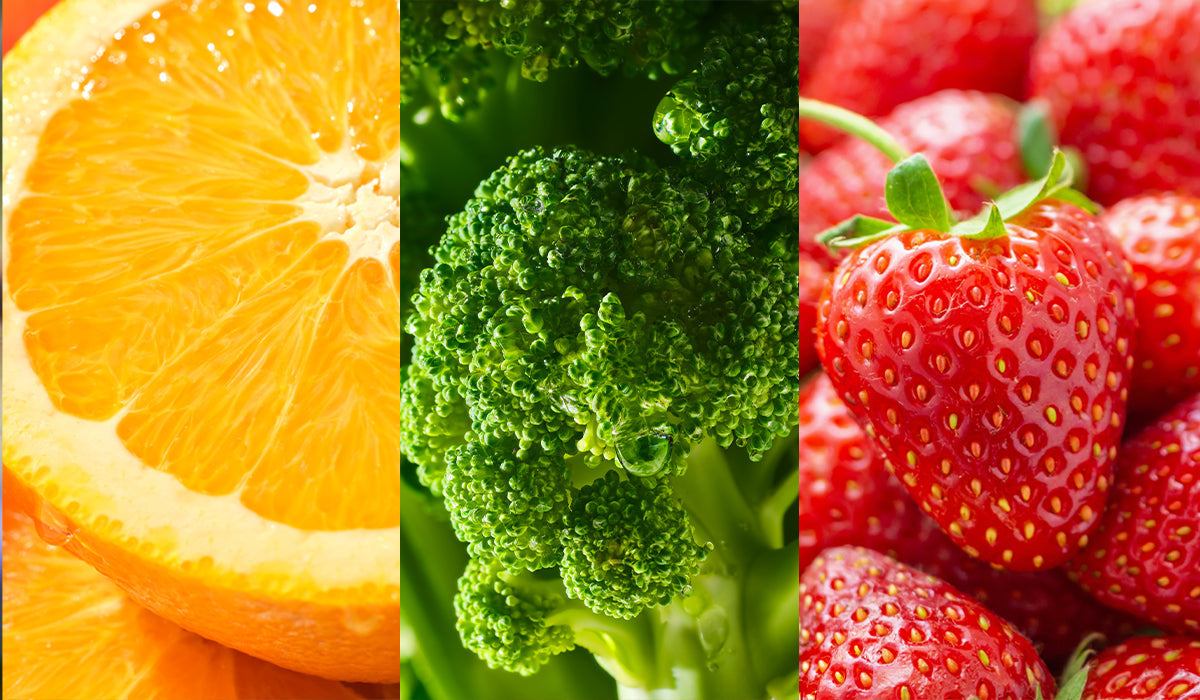
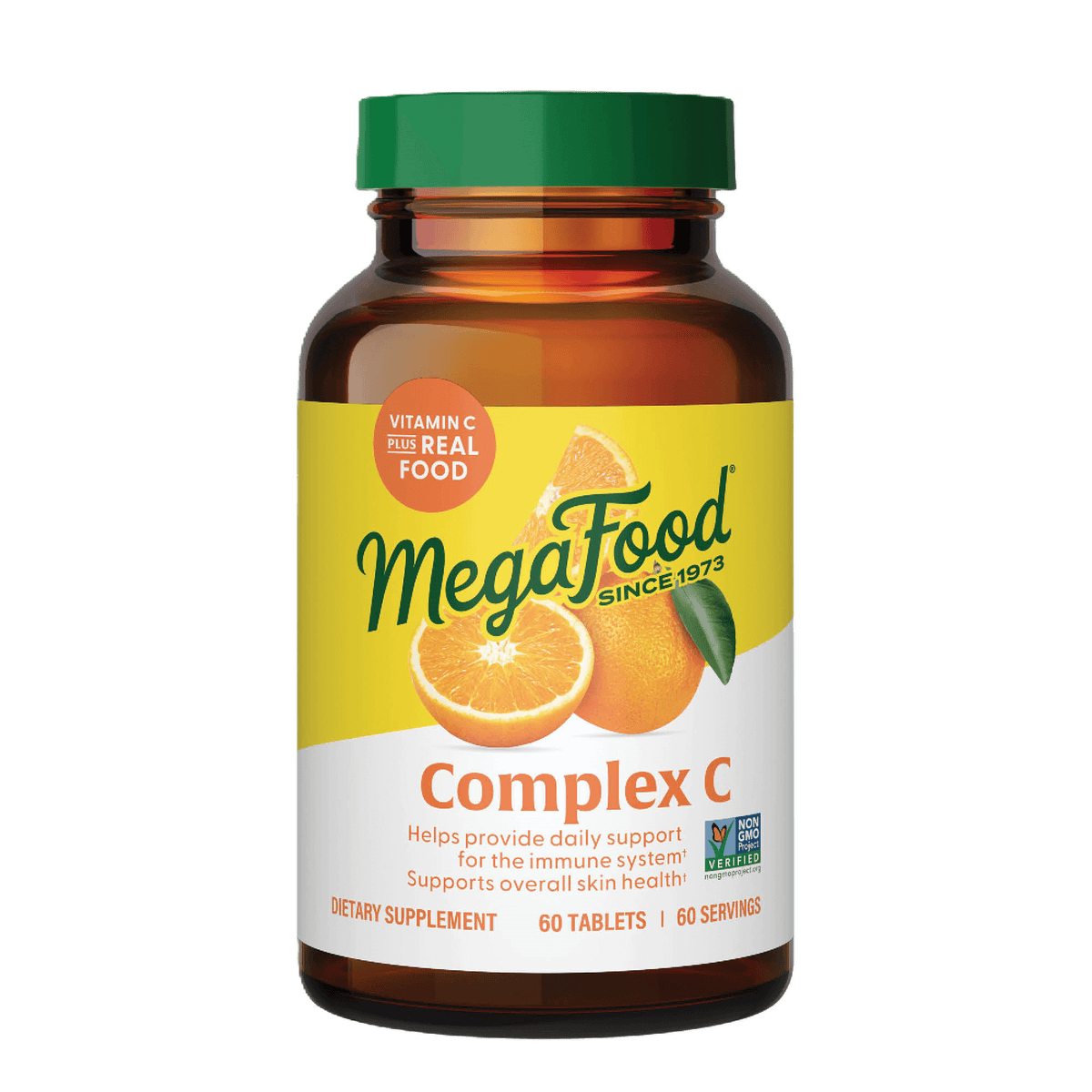
Vitamin C is one of the most well-known nutrients associated with immune health. It helps support immune function and serves as an antioxidant that helps neutralize free radicals in the body.† It also helps increase iron absorption from food and plays a role in collagen formation.†
Foods rich in vitamin C include:
- Citrus fruits
- Strawberries
- Kiwi
- Bell peppers
- Broccoli
Vitamin D
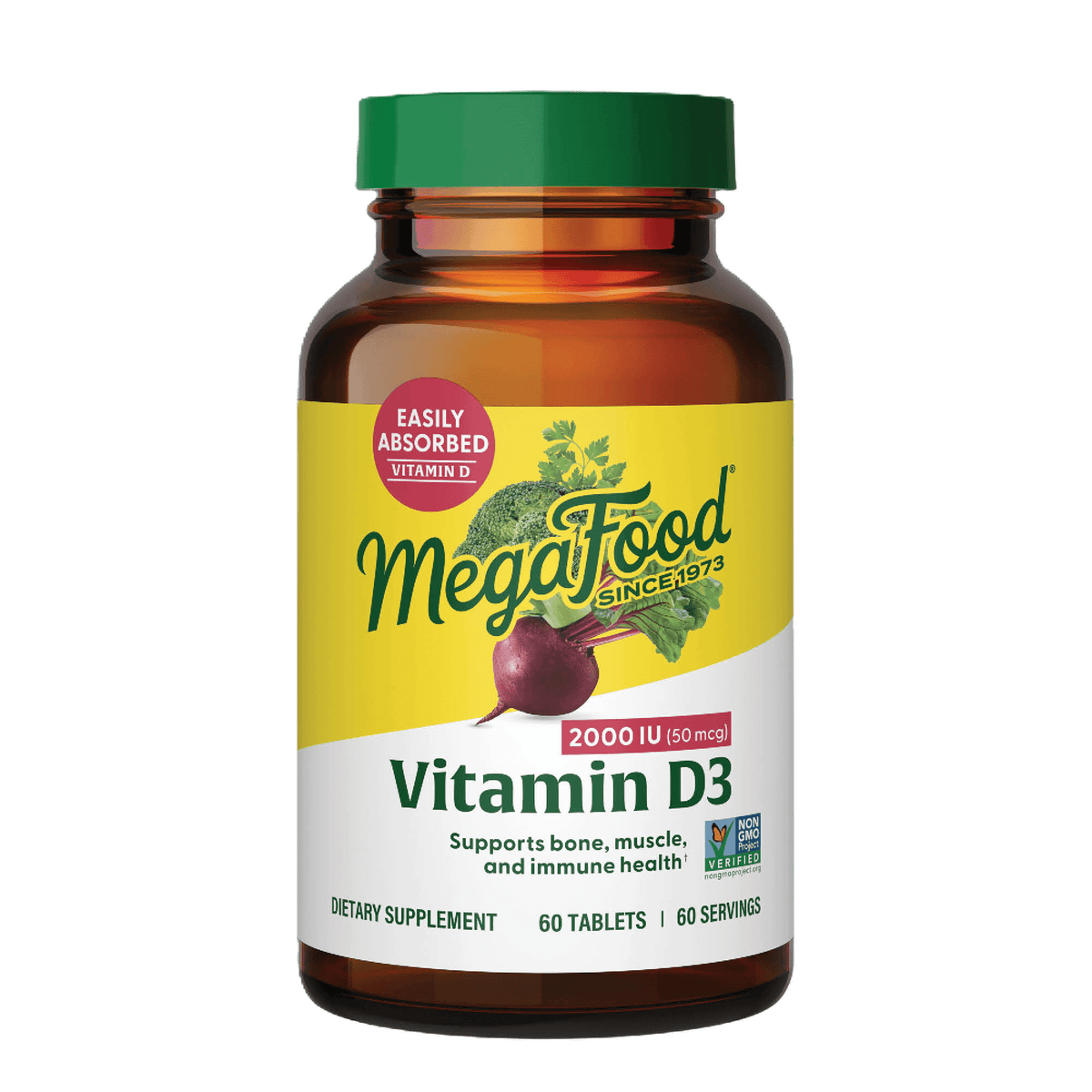
Vitamin D supports immune function and plays important roles throughout the body.† Vitamin D3, the form naturally produced by the body when exposed to sunlight, is often included in immune support routines.†
Did You Know?
Vitamin D is one of the nutrients Americans are most likely to fall short on. In one analysis of national health survey data, approximately 4 in 10 U.S. adults had vitamin D levels considered insufficient (NHANES).
Food sources include:
- Fatty fish
- Egg yolks
- Fortified foods
Zinc
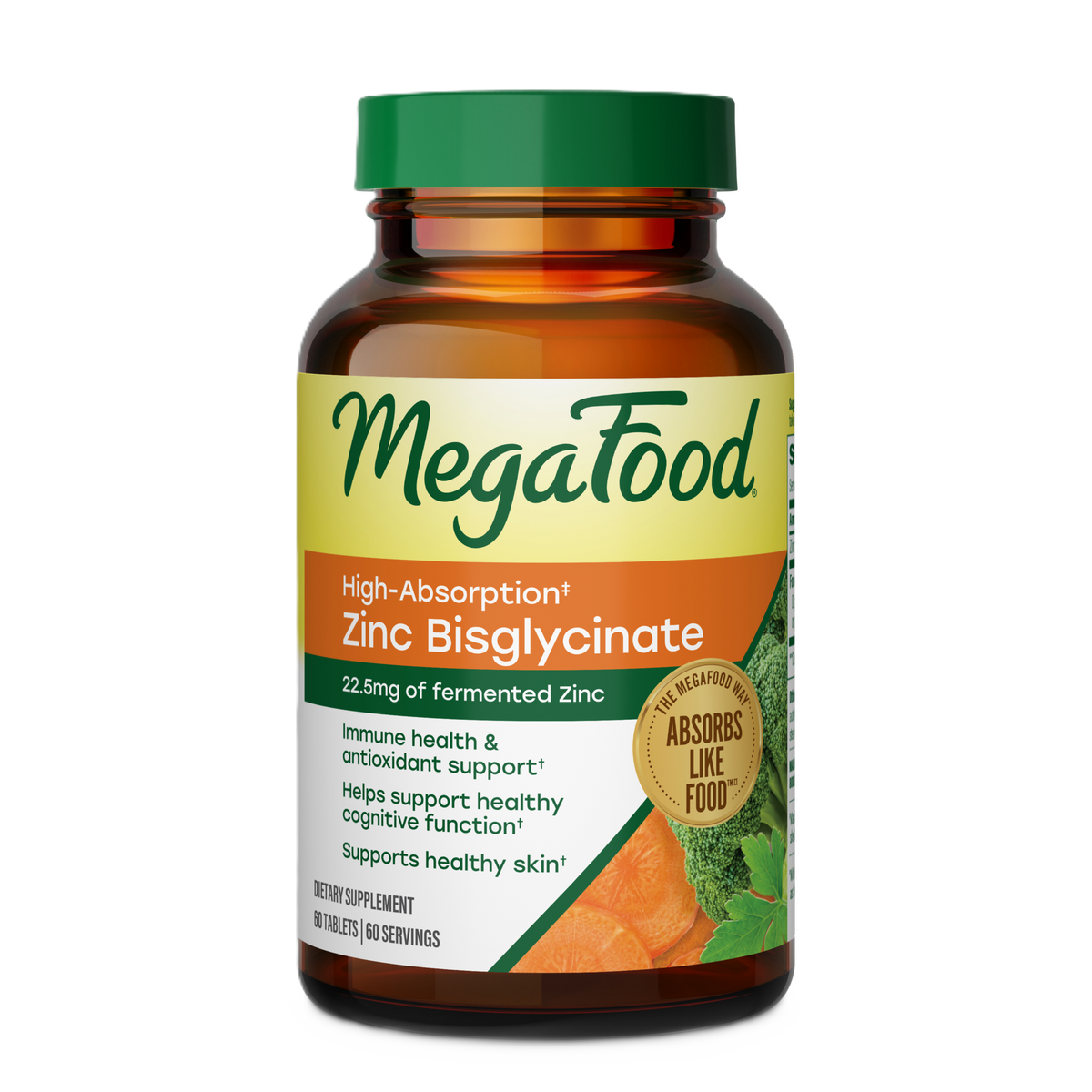
Zinc is an essential nutrient that supports immune health and is involved in the activity of more than 100 enzymes throughout the body.†
Because the body does not store large amounts of zinc, it is important to obtain it regularly through food or supplementation.
Food sources include:
- Legumes
- Nuts and seeds
- Whole grains
- Seafood
While vitamins and minerals are often the focus of immune health conversations, they're only part of the story.
Additional Approaches to Immune Support
While vitamins and minerals are often the foundation of immune health discussions, some people also choose to incorporate other supplements that support wellness in different ways.
Elderberry has a long history of traditional use and is commonly used as part of immune support routines. † Quercetin is a flavonoid found naturally in foods such as apples, onions, and berries and is often chosen for its antioxidant properties and its role in supporting immune health.†
Rather than replacing the fundamentals of nutrition and healthy lifestyle habits, these supplements are typically used alongside them as part of a broader wellness strategy.
Nutrition also supports immune health in another important way: through its relationship with the digestive system.
The Gut-Immune Connection
The gut is home to trillions of microorganisms that make up the gut microbiome. Together with the digestive tract, these microorganisms help create an environment that supports many aspects of overall health, including immune function.
This close relationship is one reason nutrition is such an important part of immune health. The foods we eat not only provide nutrients like vitamin C, vitamin D, and zinc, but also help support the digestive system and the beneficial bacteria, or probiotics, that live there.
Probiotics are beneficial microorganisms that can help support a healthy gut microbiome.† Some people choose to include probiotic-rich foods such as yogurt, kefir, kimchi, sauerkraut, and other fermented foods as part of a balanced diet to better support overall gut and immune health.
Researchers continue to explore the connections between the gut microbiome and immune health, highlighting just how interconnected the body's systems truly are.
Putting It All Together
Supporting immune health doesn't require a perfect routine. A balanced diet, restorative sleep, regular movement, hydration, and a healthy response to stress all help support overall wellness and immune function. For some people, supplements that provide nutrients such as vitamin C, vitamin D, zinc, elderberry, or quercetin can help complement those habits.
The most effective approach is often the simplest: consistent daily choices that help support health throughout the year.




Leave a comment
This site is protected by hCaptcha and the hCaptcha Privacy Policy and Terms of Service apply.