

When most people think about energy, they think about how they feel. Maybe it's having enough stamina to get through a busy day, stay active, keep up with family responsibilities, or remain focused during an afternoon meeting.
But before energy becomes something you experience, it's something your body creates.
Every day, your body converts the food you eat into cellular energy that helps power countless processes throughout the body. From breathing and circulation to movement, exercise, and thinking, nearly every function relies on a continuous supply of energy produced within your cells.
This process happens around the clock—even while you sleep. Understanding how the body creates cellular energy can help explain why nutrients like B vitamins, magnesium, iron, CoQ10, and creatine are often associated with energy support.
What Is Cellular Energy?
Cellular energy is the usable energy your cells create from the food you eat. Carbohydrates, fats, and proteins provide the raw materials, while your body uses a series of metabolic processes to convert those nutrients into a form of energy that cells can use.
At the center of this process is ATP, or adenosine triphosphate. ATP is often described as the body's energy currency because it powers countless activities throughout the body. In simple terms, ATP is an energetic molecule that your body creates on demand to support the energy needs of your cells.
Every heartbeat, muscle contraction, nerve signal, and cellular process requires ATP. Because your body is constantly using energy, it is also constantly producing ATP to meet those demands.
Much of this work takes place inside structures called mitochondria, often referred to as the "powerhouses" of the cell. Their job is to help convert nutrients from food into ATP, creating the cellular energy your body depends on every day.
How the Body Produces Energy
The foods you eat provide the fuel your body needs to create ATP. During digestion, carbohydrates, fats, and proteins are broken down into smaller components that can be absorbed and used by cells throughout the body.
Inside the mitochondria, these nutrients move through a series of metabolic pathways that ultimately produce ATP. While the science behind these processes is complex, the overall concept is straightforward: your body takes fuel from food and converts it into usable cellular energy.
This process is known as cellular energy metabolism, and it depends on a variety of vitamins, minerals, and compounds that help support the body's natural energy-producing systems.
Nutrients That Support Cellular Energy Production
A variety of nutrients help support cellular energy production and metabolism. While they often appear together in energy-support formulas, each contributes to the process in a different way. Some help convert food into energy, some help support the metabolic reactions involved in energy production, and others help support the systems that deliver or generate the energy cells need to function.†
B Vitamins
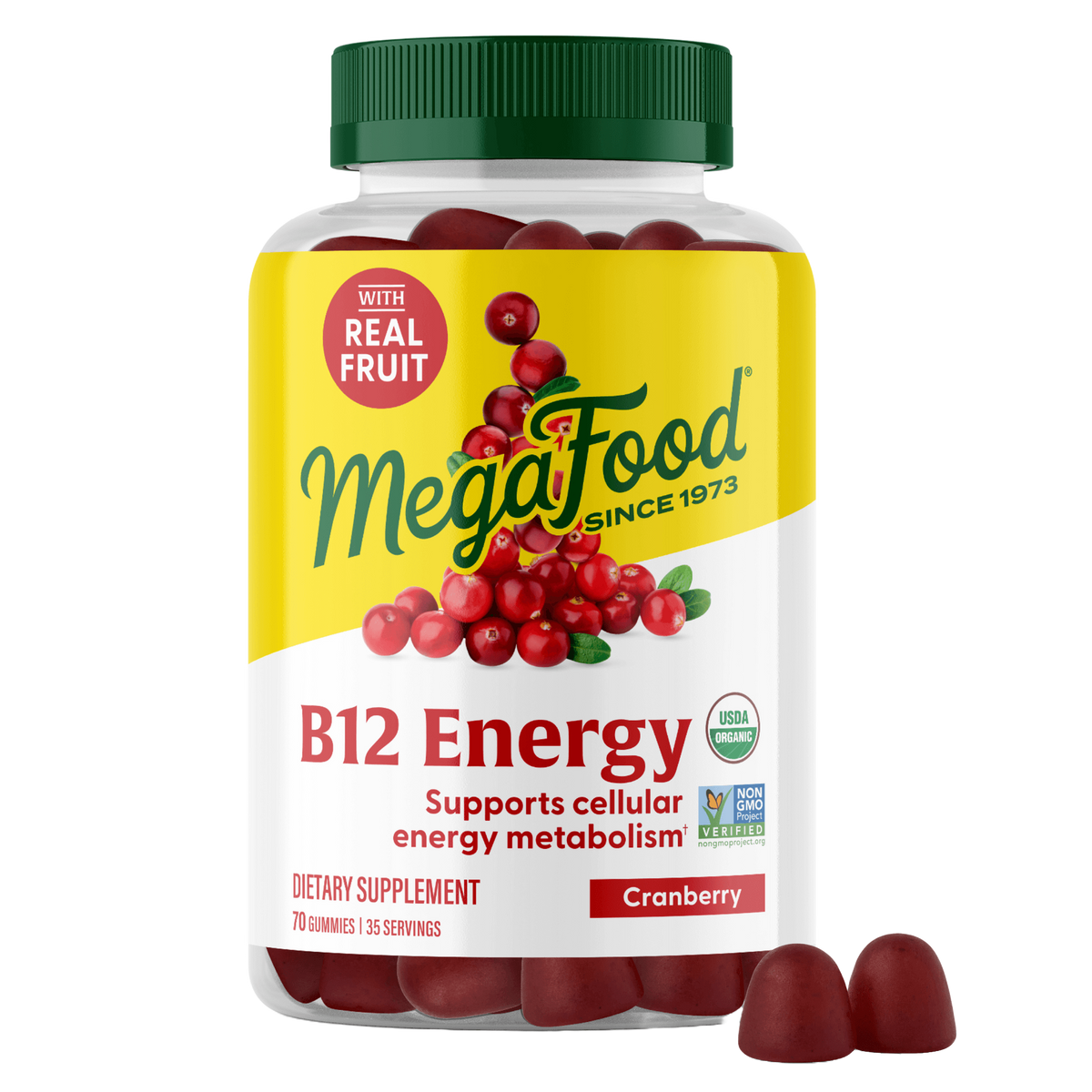
When people think about nutrients associated with energy, B vitamins are often the first to come to mind. That's because they help support cellular energy metabolism and help convert the food you eat into cellular energy.†
B vitamins are also essential for the production of ATP, the body's main source of energy.† Rather than providing energy directly, they help support the processes that transform carbohydrates, fats, and proteins from food into the usable energy your cells rely on every day.†
The B vitamin family includes thiamin (vitamin B1), riboflavin (vitamin B2), niacin (vitamin B3), vitamin B6, biotin, folate, and vitamin B12.
Magnesium
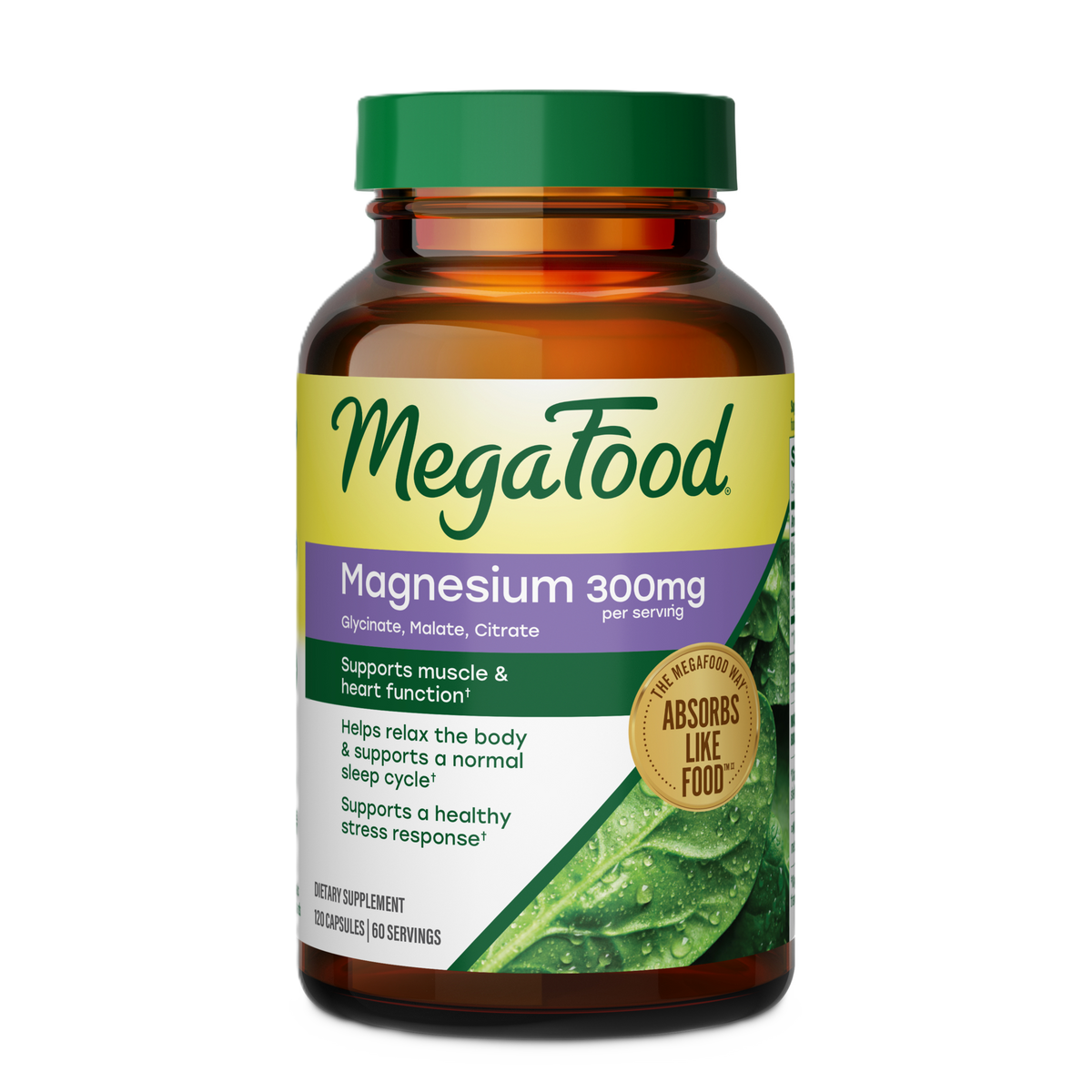
Magnesium helps support many of the behind-the-scenes reactions involved in energy production. It participates in hundreds of enzymatic reactions throughout the body, including those involved in energy metabolism and the metabolism of carbohydrates and amino acids.†
Because magnesium is involved in so many cellular processes, it plays an important supporting role in the body's ability to convert food into cellular energy.† Nuts, seeds, legumes, whole grains, and leafy green vegetables are among the richest food sources of magnesium.
Iron
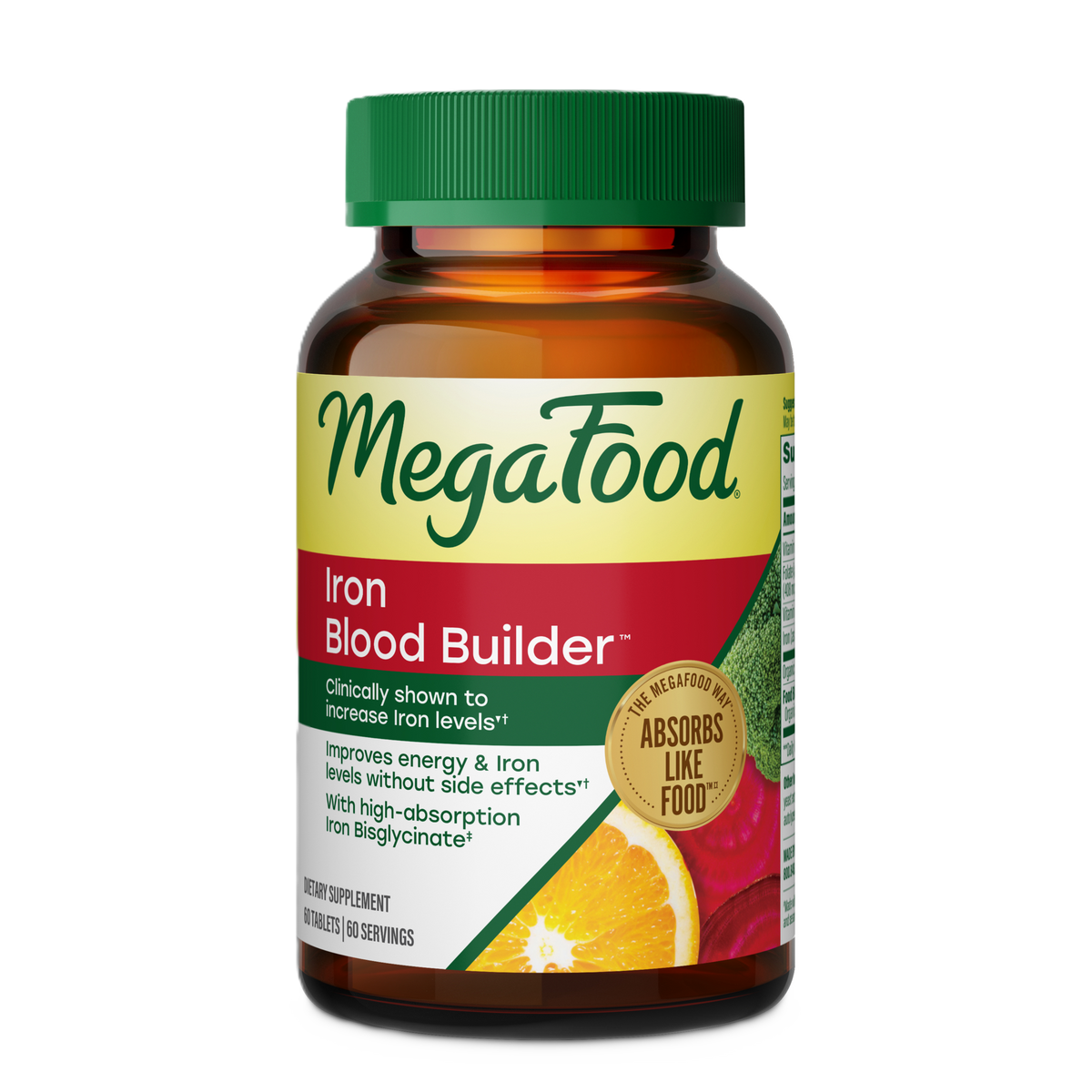
Iron plays a unique role in the body's energy-producing systems because it helps support healthy oxygen levels and helps form red blood cells that function properly.†
Oxygen is essential for many of the processes involved in cellular energy production. By supporting healthy oxygen transport throughout the body, iron helps support cellular energy metabolism and the systems that help deliver what cells need to produce energy.†
Good food sources of iron include beans, lentils, tofu, pumpkin seeds, spinach, and fortified foods.
CoQ10
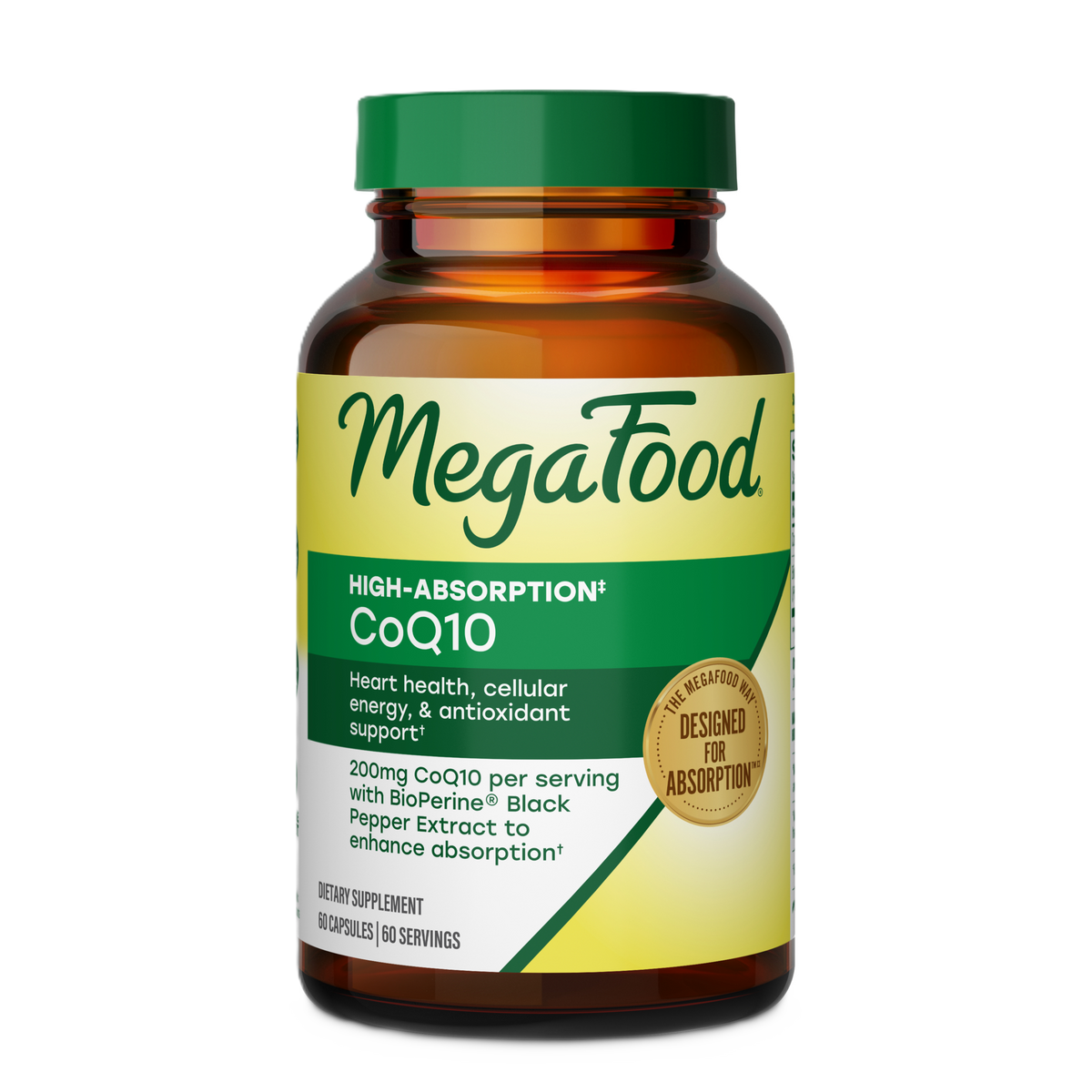
CoQ10 is naturally found throughout the body and is especially concentrated in the mitochondria, where cellular energy production takes place. It plays a role in cellular energy production and helps support the body's natural energy-producing processes.†
Because some organs have especially high energy demands, CoQ10 is found in particularly high concentrations in tissues such as the heart, where a continuous supply of cellular energy is needed.†
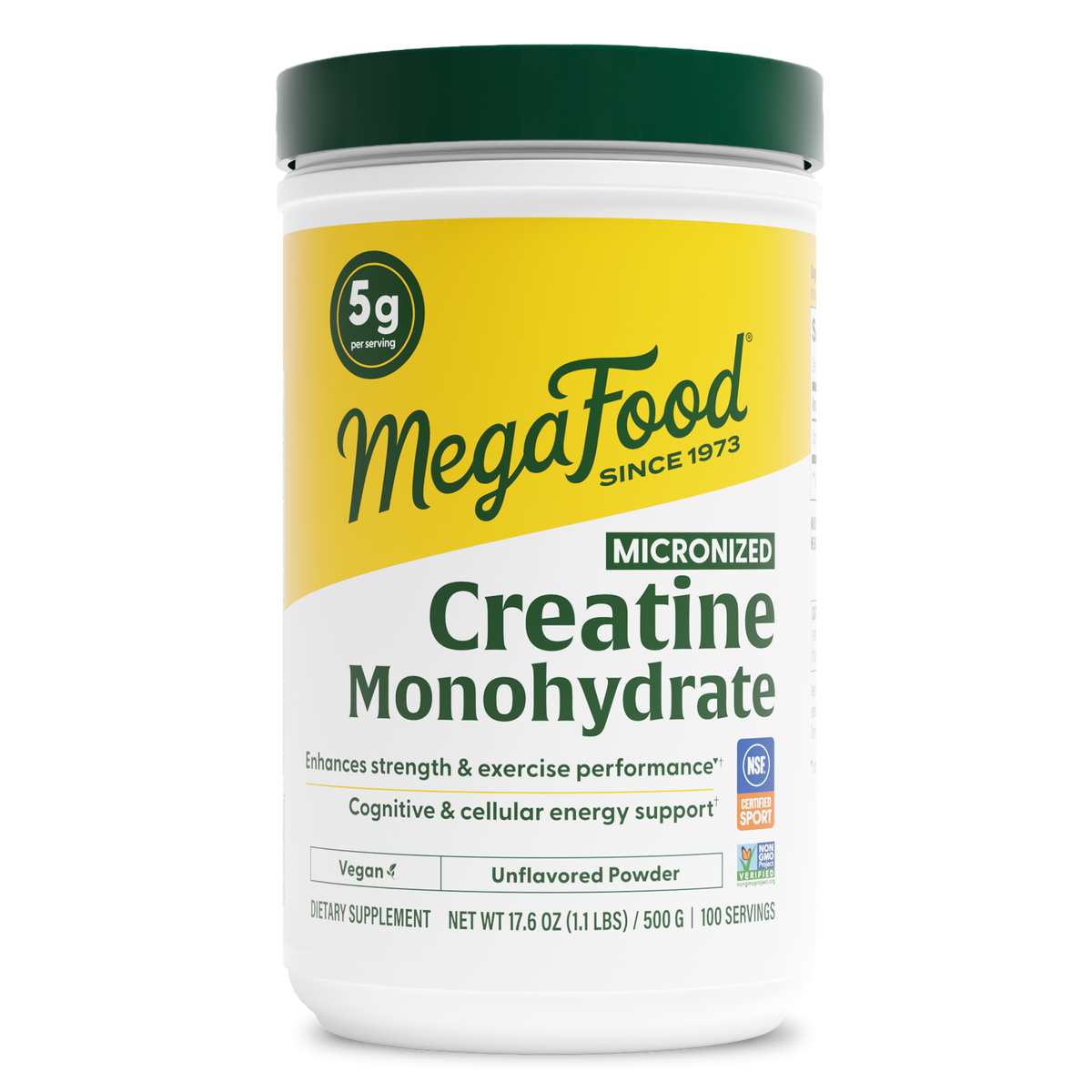
Creatine
Creatine supports cellular energy metabolism in muscle and has a unique relationship with ATP. During short bursts of high-intensity activity, muscles use ATP rapidly to help support movement and power output.
To keep up with these increased energy demands, the body works to regenerate ATP. Creatine helps enhance ATP generation during these high-demand activities, helping support power output and athletic performance.†
Together, these nutrients help support the body's natural ability to create and use cellular energy throughout the day. While each plays a different role, they all contribute to the complex processes that help turn food into the energy your cells need to function.†
Lifestyle Habits Matter, Too
Nutrition is only one piece of the energy story. The body's ability to produce and use energy is also influenced by everyday habits.
Sleep gives the body time to recover and carry out important maintenance processes. Physical activity helps support overall health and normal metabolic function. Hydration supports countless cellular reactions, while balanced meals help provide a steady supply of fuel and nutrients.
These habits may seem simple, but they help support the systems involved in cellular energy production every day. Like many aspects of health, supporting cellular energy isn't about a single nutrient or habit—it's about the combination of choices we make consistently over time.
Putting It All Together
Energy starts at the cellular level.
Every day, your body converts food into ATP, the energetic molecule that helps power nearly every process in the body. This constant cycle of creating and using cellular energy depends on a variety of nutrients, including B vitamins, magnesium, iron, CoQ10, and creatine, as well as healthy lifestyle habits that support overall wellness.†
While energy is often thought of as a feeling, it begins long before you notice it. Understanding how cellular energy production works can help provide a deeper appreciation for the nutrients and daily habits that help keep your body's energy-producing systems running smoothly.



Leave a comment
This site is protected by hCaptcha and the hCaptcha Privacy Policy and Terms of Service apply.