
Understanding the Basics of Gut Health
Gut health conversations are everywhere right now — and terms like prebiotics, probiotics, and postbiotics often get grouped together.
While they sound similar, each one plays a different role in supporting the gut microbiome and overall digestive wellness.
The good news? You do not need to memorize scientific definitions to understand the basics.
Here’s a simple breakdown of what each one does and why they matter.
|
Type |
What It Is |
Found In |
Why It Matters |
|
Prebiotics |
Fiber that feeds beneficial bacteria |
Oats, bananas, garlic, beans |
Helps nourish the gut microbiome |
|
Probiotics |
Live beneficial microorganisms |
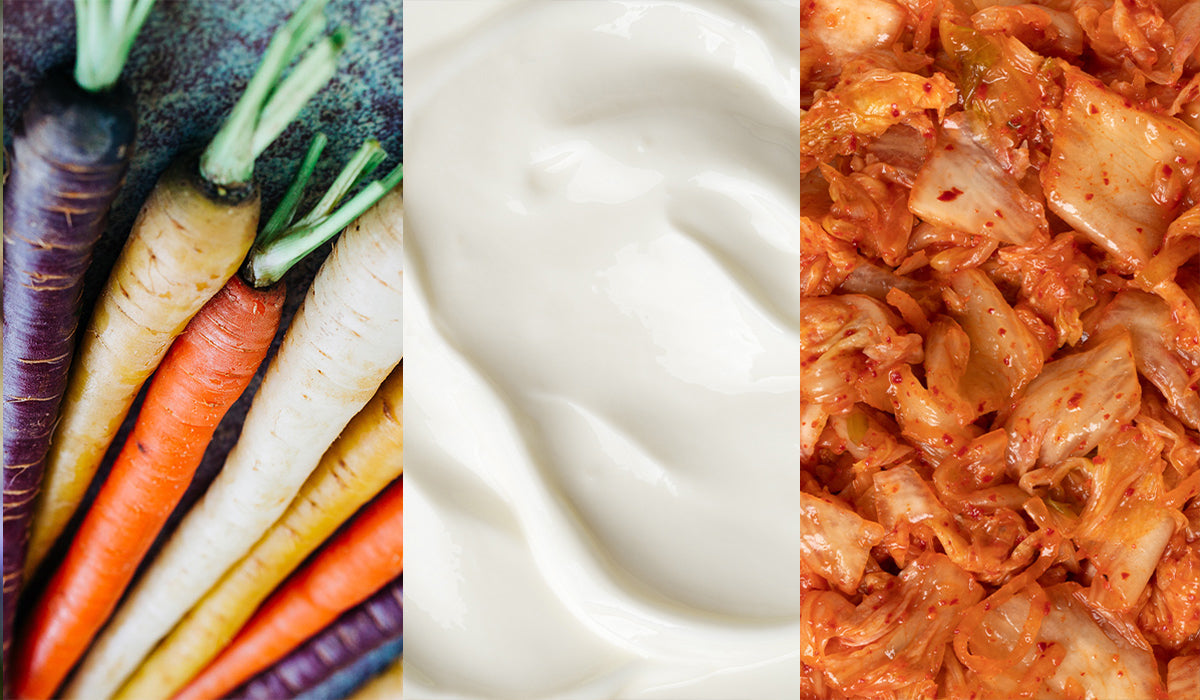
Yogurt, kefir, kimchi, miso |
Helps support microbial balance |
|
Postbiotics |
Beneficial non-living microbes derived from probiotics |
Created during fiber fermentation |
Helps support digestive wellness |
What Are Probiotics?
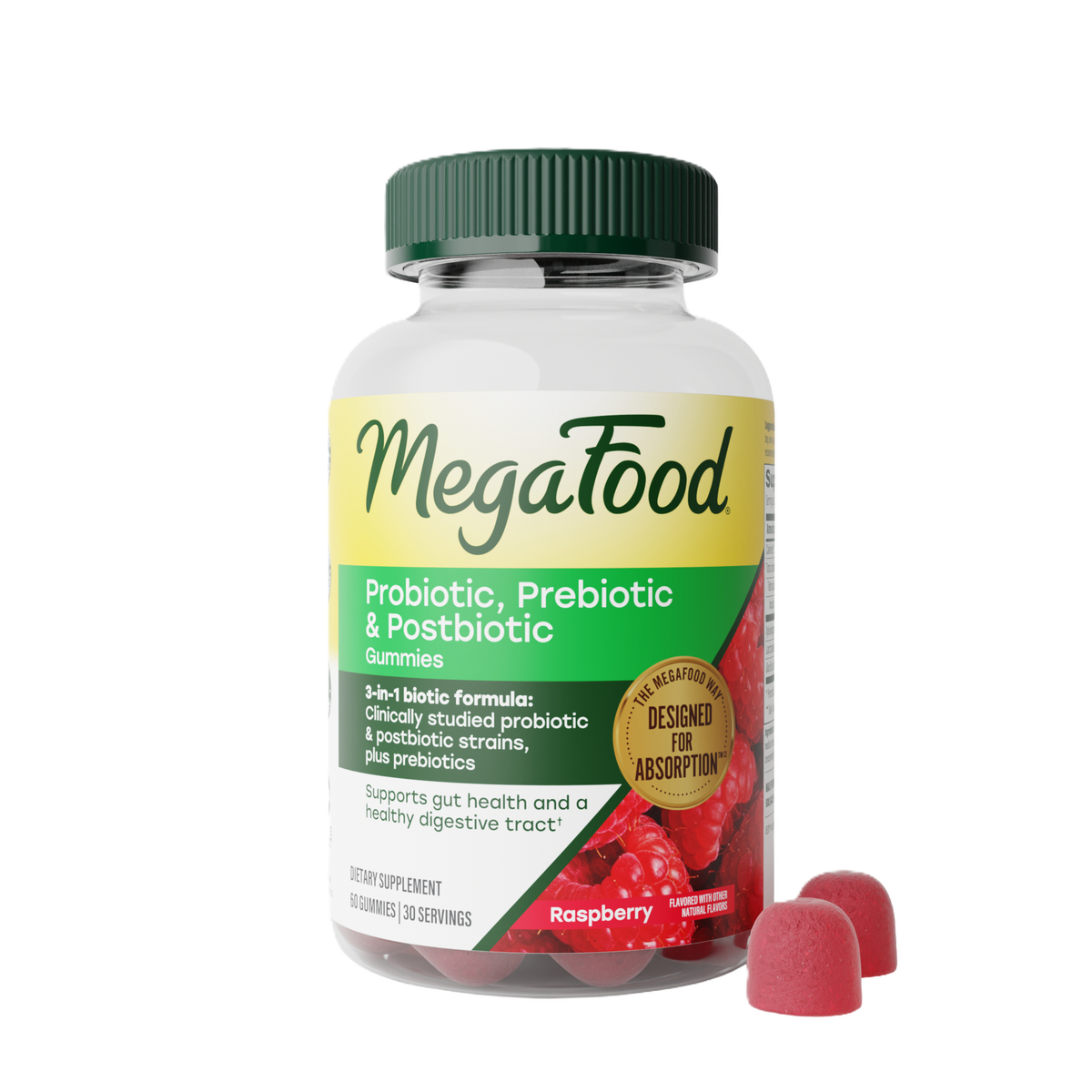
Probiotics are live microorganisms that may help support microbial balance when consumed in adequate amounts.
In simple terms, probiotics are the “beneficial bacteria” many people think of when they hear about gut health.
Different probiotic strains have different functions, and research continues to explore how they interact with digestive and immune health.
Foods That Naturally Contain Probiotics
Some fermented foods naturally contain probiotics, including:
- yogurt
- kefir
- kimchi
- sauerkraut
- miso
- tempeh
Not all fermented foods contain live cultures, but many can be part of a gut-supportive eating pattern.
What Are Prebiotics?
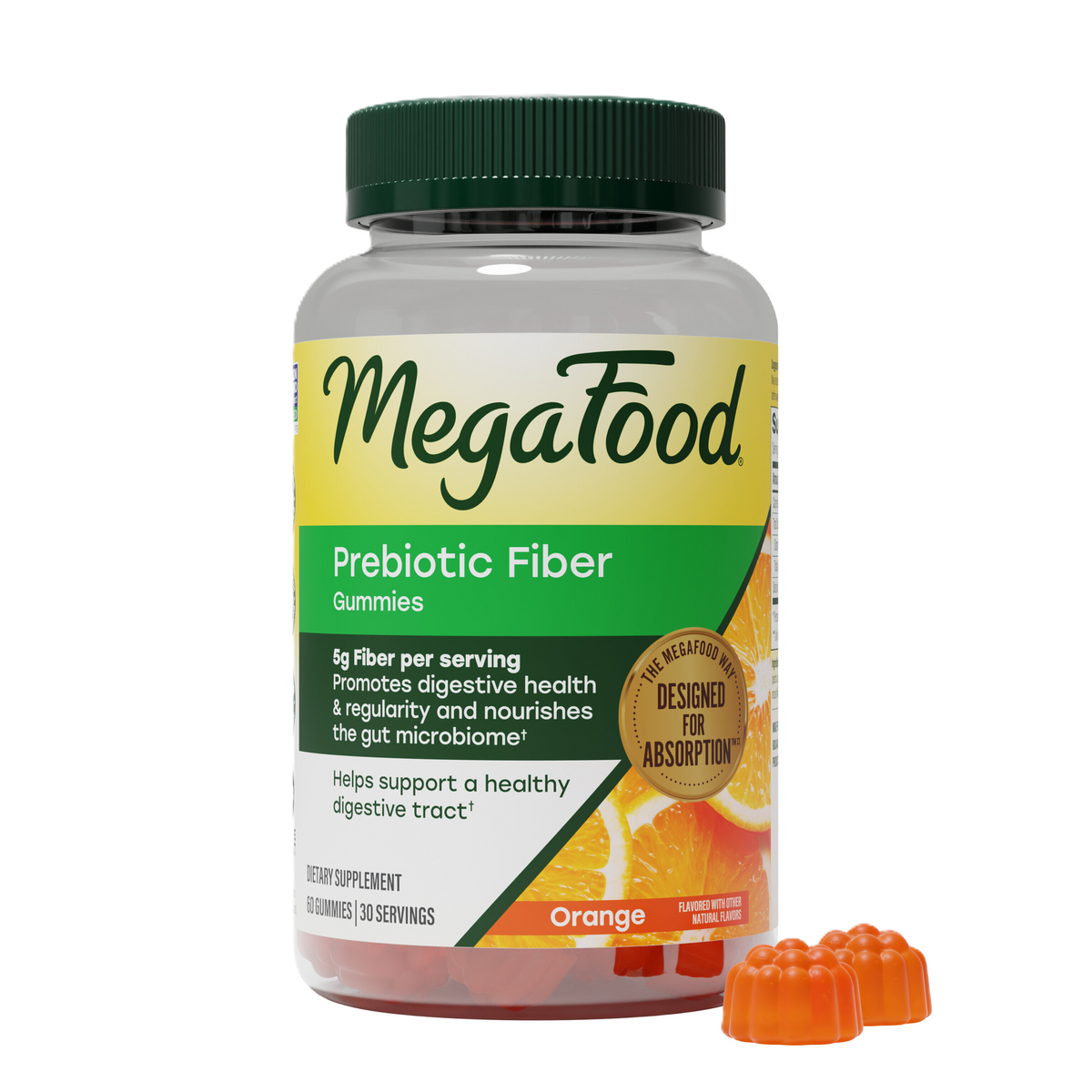
Prebiotics are compounds — often certain types of fiber — that help nourish beneficial gut bacteria.
If probiotics are the beneficial bacteria, prebiotics are part of the “food” that helps support them.
Prebiotics are naturally found in many plant foods, including:
- onions
- garlic
- bananas
- oats
- asparagus
- legumes
Eating a variety of fiber-rich foods helps support both digestion and the gut microbiome.
What Are Postbiotics?
Postbiotics are beneficial compounds created when gut bacteria break down and ferment certain foods and fibers. One well-known example is short-chain fatty acids, including butyrate.
These compounds help support overall digestive health and wellness alongside pre and probiotics.
In simple terms:
- probiotics are the beneficial microorganisms
- prebiotics help feed them
- postbiotics are some of the beneficial compounds they produce
Why Do They Matter?
The gut microbiome is connected to many aspects of overall wellness, including digestion, immune function, metabolism, and the gut-brain connection.
Rather than focusing on just one ingredient or trend, many experts recommend supporting gut health through consistent daily habits, including:
- eating a variety of fiber-rich plant foods
- including fermented foods as part of a balanced diet
- staying hydrated
- managing occasional stress
- supporting sleep and regular movement
Gut health does not have to be complicated. Small, sustainable habits practiced consistently over time can help support digestive wellness and whole-body health.
Frequently Asked Questions
Do I need all three?
Prebiotics, probiotics, and postbiotics are all connected parts of the gut ecosystem. A balanced diet with a variety of plant foods and fermented foods can naturally help support these processes.
Do prebiotics, probiotics, and postbiotics work together?
Yes. They are connected parts of the gut ecosystem. Probiotics are beneficial microorganisms, prebiotics help nourish them, and postbiotics are some of the beneficial compounds produced during fermentation and digestion.
Are probiotics and fermented foods the same thing?
A: Not always. Some fermented foods contain live beneficial microorganisms that function as probiotics, while others may not. Even so, many fermented foods can still be part of a balanced, gut-supportive eating pattern.



Leave a comment
This site is protected by hCaptcha and the hCaptcha Privacy Policy and Terms of Service apply.