

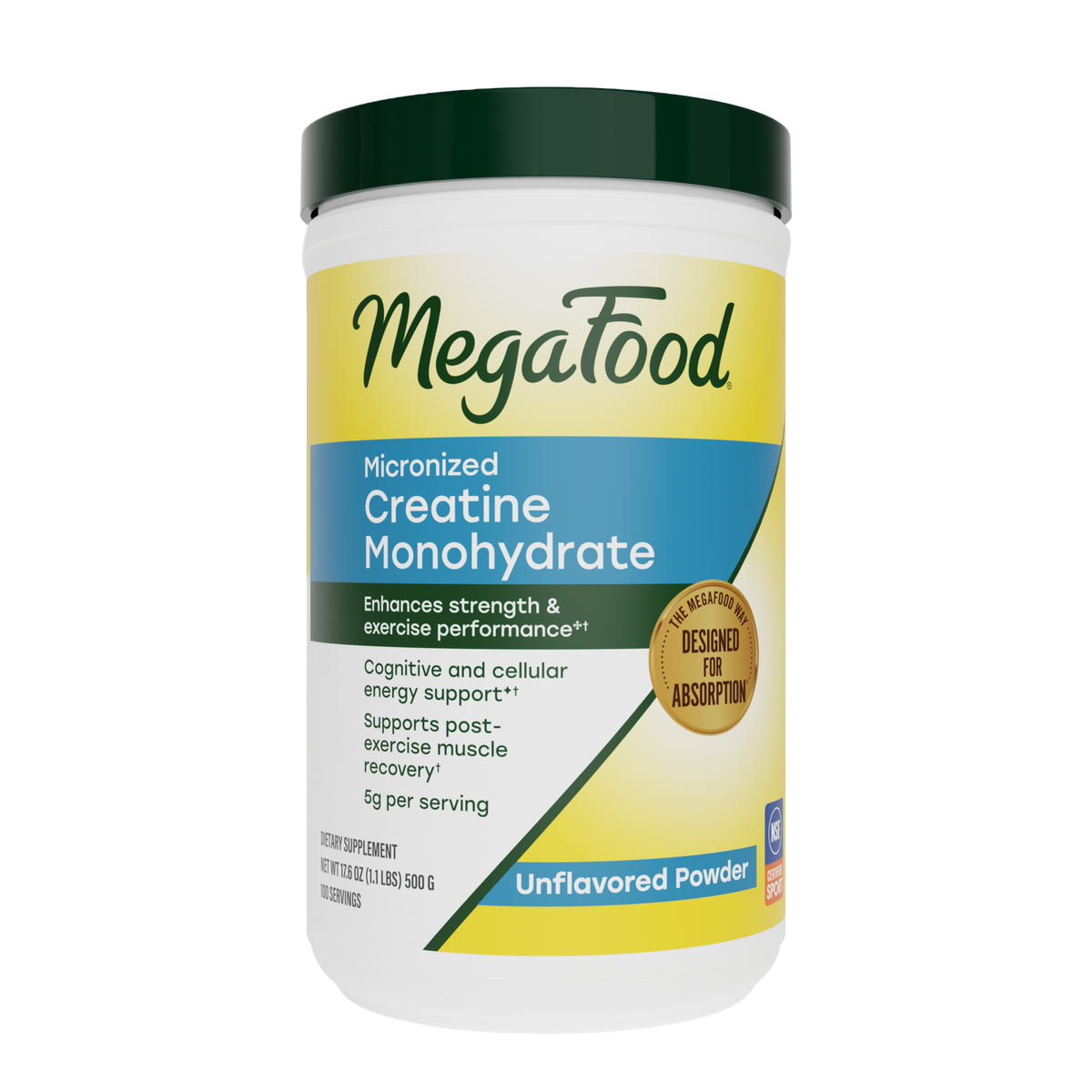
Creatine has long been associated with gym culture, athletes, and performance supplements—but its role in the body goes far beyond fitness.
Creatine helps support ATP production, the body’s main source of usable cellular energy, making it important for muscles, movement, recovery, and even brain function. While it is often thought of as a sports nutrition ingredient, creatine plays a foundational role in how the body produces and uses energy every day.
That makes creatine relevant for far more people than just bodybuilders. From active adults and healthy aging to plant-based lifestyles and people focused on preserving strength over time, creatine can be an important part of long-term wellness.
What Is Creatine?
Creatine is a naturally occurring compound made from amino acids. Your body stores most of it in your muscles, where it helps support physical activity and energy production. Smaller amounts are also found in the brain and other tissues.
While the body can produce a small amount of creatine on its own, most people get creatine through their diet. Common food sources include:
- Red meat
- Seafood
- Animal milk, including cow, goat, and sheep milk
Because creatine is found primarily in animal-based foods, vegans and vegetarians may benefit from an additional source of creatine in their diets.
What Is ATP and Why Does It Matter?
ATP stands for adenosine triphosphate. It is the body’s main source of usable cellular energy.
Your body creates ATP on demand to support the energy needs of your cells. During higher-demand activities—like sprinting, lifting weights, climbing stairs, or intense exercise—your muscles need ATP quickly. Creatine helps replenish ATP so your body can continue supporting short bursts of intense activity. This is one reason creatine is often associated with strength, power output, and athletic performance.
But ATP matters far beyond workouts. Cellular energy supports nearly every function in the body, which is why creatine has applications beyond fitness alone.
Creatine and Muscle Support
Because creatine helps support cellular energy in muscle, it plays an important role in strength, recovery, and physical performance.
Creatine may help support:
- Lean muscle mass**
- Muscular strength**
- Power output during intense activity
- Explosive movements during short bursts of exercise
- Post-exercise muscle recovery
- Energy production during intense physical activity
Creatine may also help maintain muscle during periods of weight loss**, especially when combined with resistance exercise and a healthy diet that includes adequate protein intake.
**In combination with resistance training
Creatine and Brain Health
Creatine is not only stored in muscle—it is also produced in the brain, where it may help support general brain function.
Because the brain has high energy demands, creatine plays a role in helping support the energy systems needed for focus, memory, and daily cognitive function.
Higher creatine levels may contribute to memory performance and cognitive support**, making creatine an increasingly important part of conversations around brain health and healthy aging.
This is one reason creatine is gaining attention beyond sports nutrition and becoming part of broader wellness routines.
**Results may vary
Creatine for Healthy Aging and GLP-1 Support
As we age, maintaining muscle becomes increasingly important for strength, mobility, balance, and overall longevity.
Periods of weight loss can also affect lean muscle mass—especially for people using GLP-1 medications. While weight loss may be the goal, preserving muscle remains an important part of long-term health.
Creatine may help maintain muscle during periods of weight loss**, particularly when combined with resistance exercise and a healthy diet that includes adequate protein intake.
This makes creatine relevant not only for athletes, but also for adults focused on healthy aging, strength preservation, and long-term resilience.
If you are taking GLP-1 medication, please consult with your physician before taking any dietary supplements.
**In combination with resistance exercise and a healthy diet, including adequate protein intake
Who Might Consider Creatine?
Creatine may be a good fit for more people than many realize, including:
- Active adults
- Those focused on brain health and healthy aging
- Vegans and vegetarians
- People using GLP-1 medications
- Adults working to maintain lean muscle
- People focused on recovery and resilience
- Anyone interested in supporting energy, strength, and longevity
Beyond Fitness, Toward Everyday Strength
Creatine is not about becoming a bodybuilder. It is about supporting strength, energy, resilience, and healthy aging in everyday life. From muscle support and recovery to cognitive health and long-term wellness, creatine plays a much bigger role than most people realize. Because real strength is not just about performance in the gym—it is about how well we move, think, and feel throughout life.
If you’re looking for a simple way to support energy, strength, and long-term wellness, explore MegaFood Creatine Monohydrate—made with just one ingredient, designed for easy daily use, and backed by extensive scientific research.



Leave a comment
This site is protected by hCaptcha and the hCaptcha Privacy Policy and Terms of Service apply.