

A simple, flexible approach to supporting strength, energy, and post-workout recovery—no matter your routine
Movement can look different for everyone. Some people focus on building strength, others on endurance, flexibility, or post-workout recovery. Many people move in more than one way throughout the week.
While these approaches may differ, they all place demands on the body—on muscles, energy systems, and overall balance. Just like movement isn’t one-size-fits-all, supplement routines don’t have to be either.
Food remains the foundation of daily nutrition, but supplements can help support your body alongside your routine, especially as your movement patterns shift or evolve. This guide explores how to think about supplements based on how you move, so you can build a routine that feels simple, flexible, and supportive.
How Different Types of Movement Shape Your Supplement Needs
|
Movement Focus |
What Your Body Is Doing |
Key Support to Consider |
|
Foundation (for any routine) |
Overall nutrient intake, normal neuromuscular processes, and daily balance |
Multivitamin, Magnesium |
|
Strength & Muscle |
Normal muscle adaptation processes and progressive loading over time |
Creatine, Magnesium, Turmeric |
|
Energy & Endurance |
Energy metabolism and oxygen transport during prolonged effort |
Vitamin B12, Iron, CoQ10 |
|
Recovery & Balance |
Relaxation processes, nervous system regulation, and recovery |
Magnesium, Ashwagandha, L-Theanine + B Vitamins |
A simple foundation for any routine
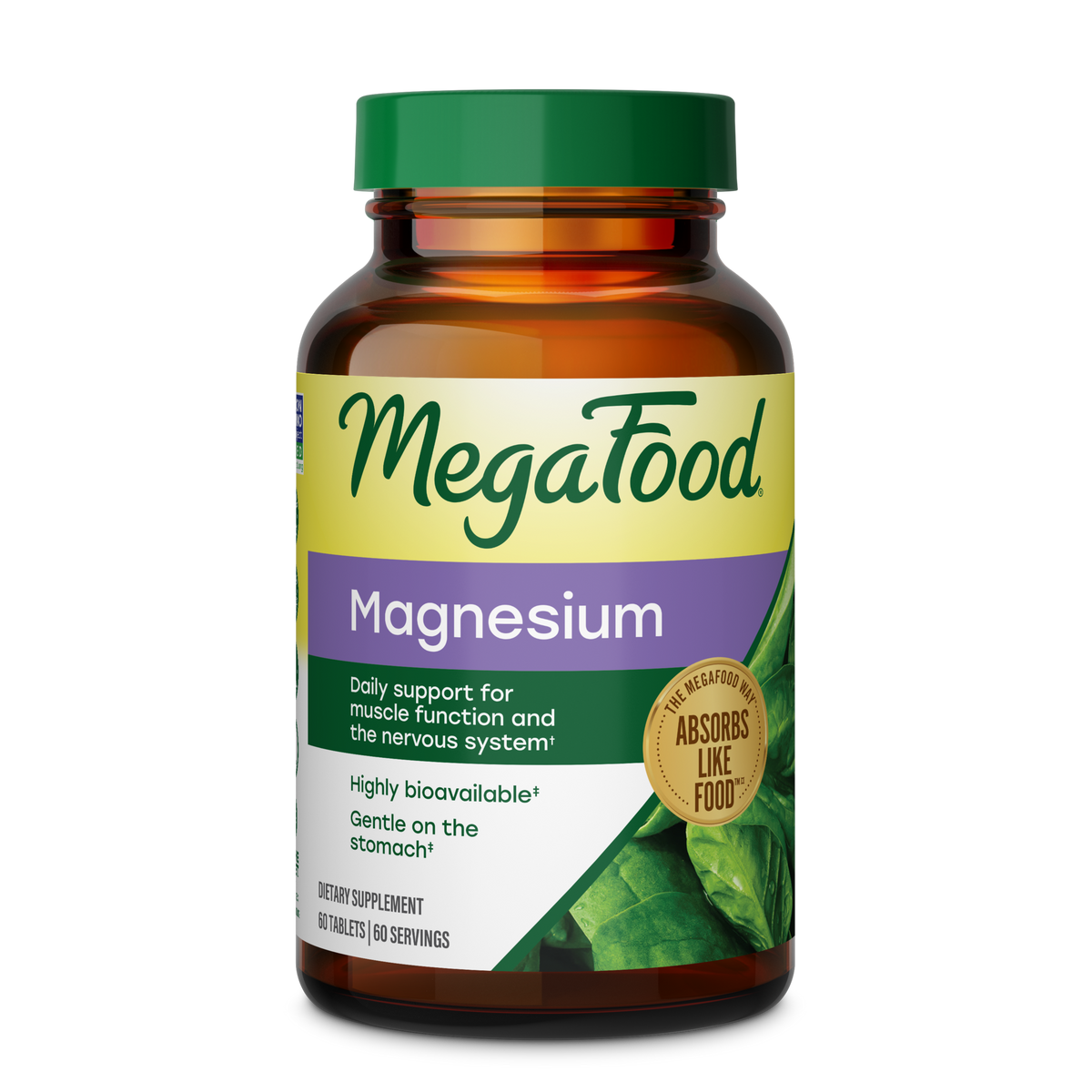
No matter how you move, most supplement routines start with a daily foundation. A multivitamin, like the Whole Body Multivitamin line, provides a broad range of essential nutrients to support overall wellness, including energy metabolism, immune health, and bone health. †
Magnesium is another key part of that foundation. It plays a role in muscle and nerve function and helps support relaxation and overall physiological balance. † Because it’s involved in so many processes in the body, it can support a wide range of functions related to physical activity.
Together, these two supplements create a steady baseline that can be used alongside balanced meals and daily habits. From there, your routine can shift depending on how your body feels and how you like to move.
A simple foundation might include:
- A multivitamin to support overall nutritional needs†
- Magnesium to support muscle, nerve, and relaxation†
Supporting strength, muscle, and performance
If your routine focuses on building strength—whether through resistance training, weightlifting, or functional fitness—your body relies on both muscle function and cellular energy.
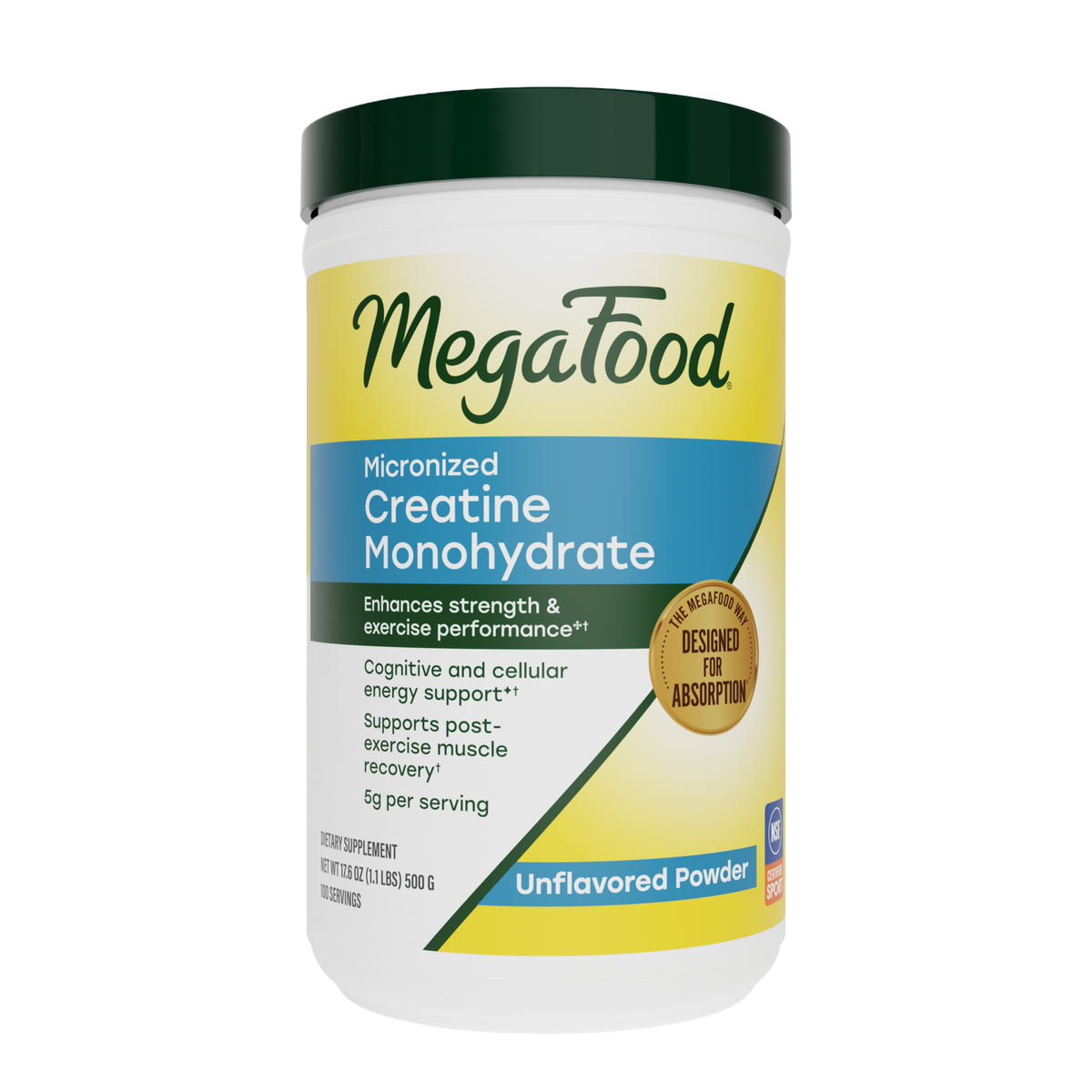
Creatine is often included in these types of routines. Micronized Creatine Monohydrate Powder supports muscle health and helps support the body’s natural production of ATP, the primary source of energy used by muscle cells. † With 5 grams per serving, it may also help support lean muscle mass and overall muscle health. †
Recovery is also an important part of strength-focused routines. As muscles are challenged, joints and connective tissues are part of that process as well, which is why some people choose to include additional support for overall physical recovery.
Turmeric-based supplements are one option often included in these routines. Formulas like Turmeric Curcumin Extra Strength, Joint are designed to support joint health and a healthy inflammation response after exercise. † Including turmeric as part of a routine can be a way to support how the body feels during and after training, especially when workouts are consistent or progressively challenging.
A simple stack for strength-focused movement might include:
- Creatine for muscle health and cellular energy and whole body support†
- Magnesium to support muscle function and recovery†
- Optional: Turmeric for joint and healthy inflammation response†
Supporting energy and endurance
For activities that involve sustained effort—like cycling, longer workouts, or high-volume training—your body relies on a steady supply of energy and efficient oxygen delivery to working muscles.
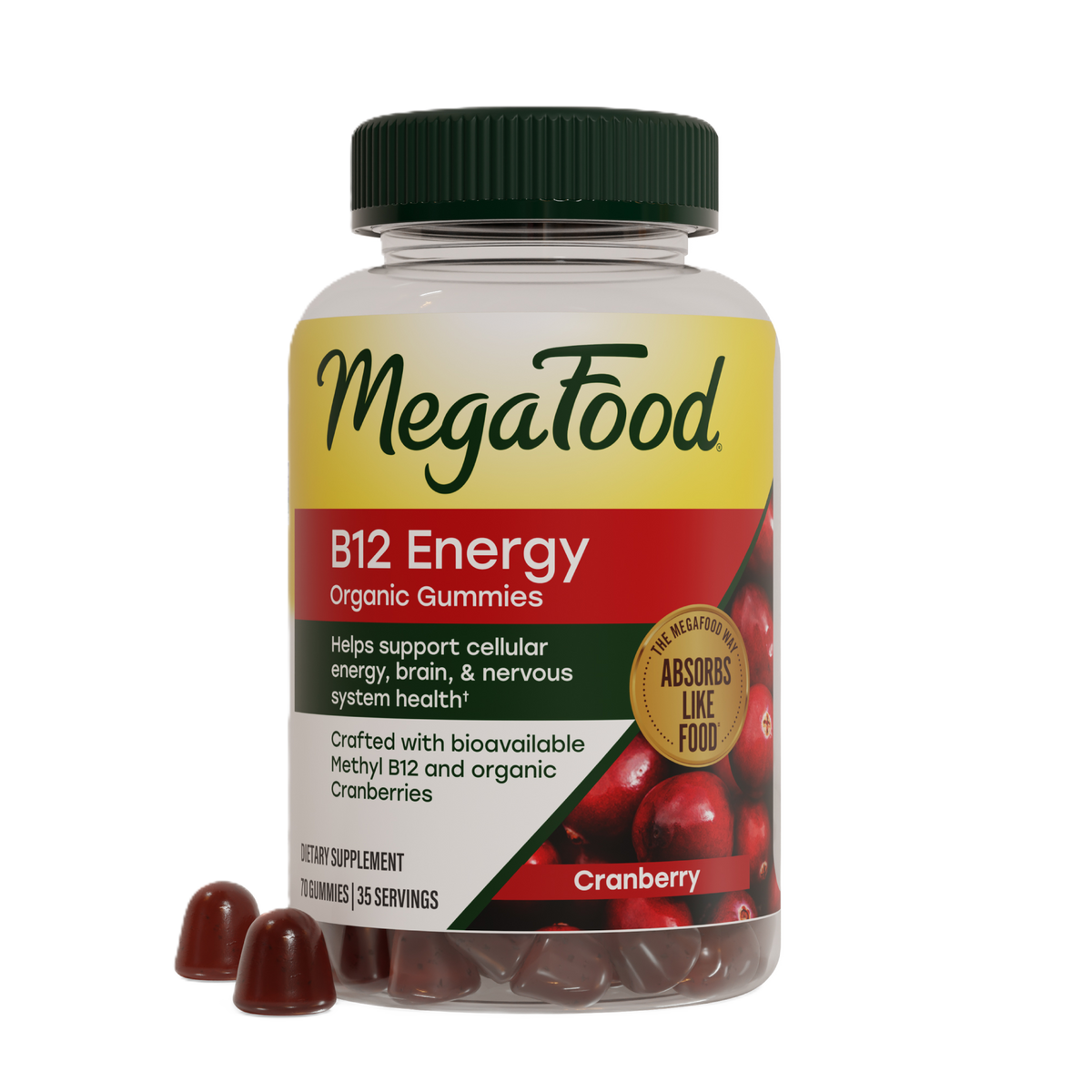
Vitamin B12 plays a key role in helping convert food into cellular energy and supports normal red blood cell formation. † Extra Strength Methyl B12 provides a concentrated source of B12 to help support energy metabolism and help reduce fatigue for those low in vitamin B12. †
Iron works alongside this process by supporting the production of healthy red blood cells, which carry oxygen throughout the body. † Blood Builder® Iron delivers iron along with vitamin C, folate, and B12 to support red blood cell production and energy levels. † For those who may not need as much iron, Iron Energy Gummies offer a lower-dose option with additional B vitamins to support cellular energy production. †
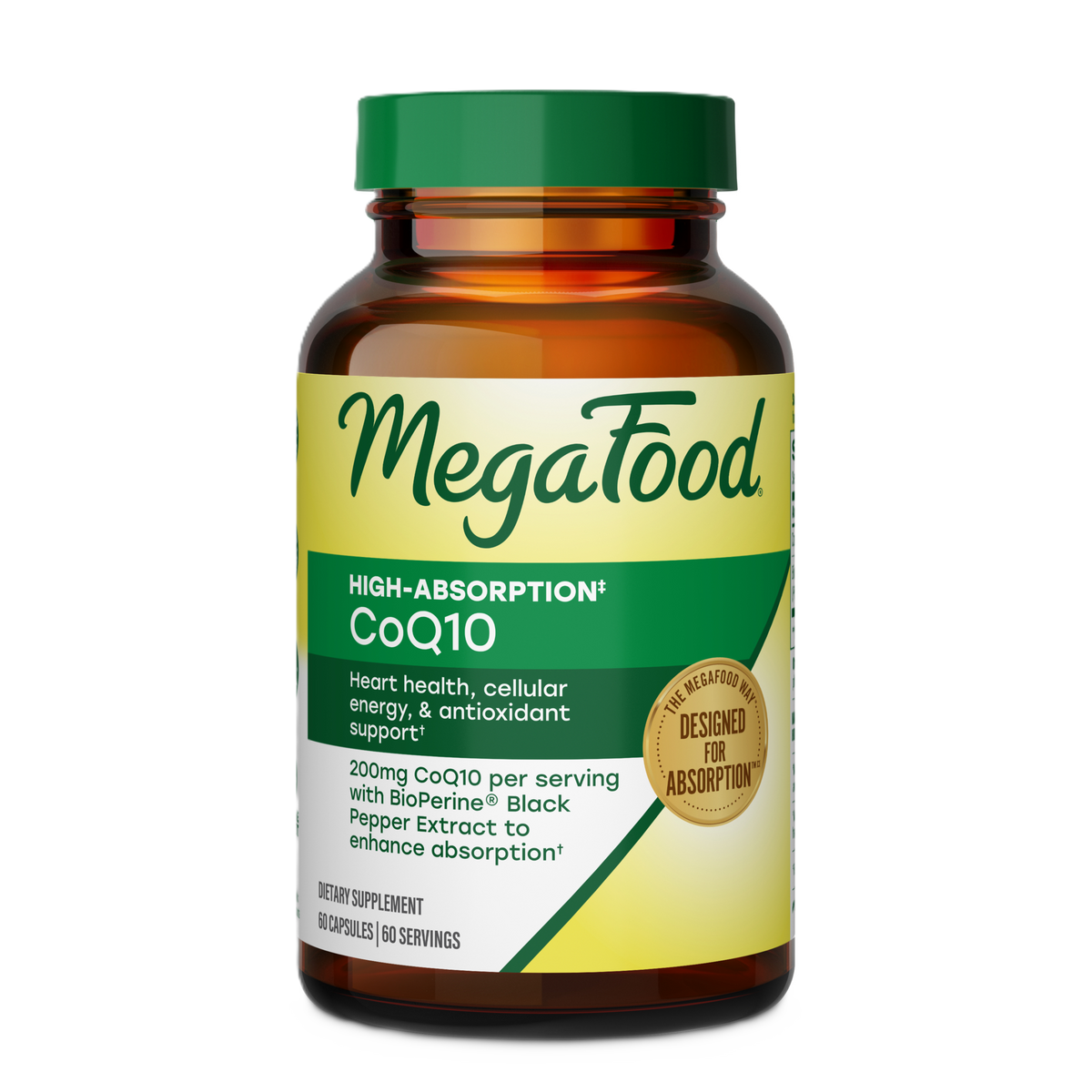
Some people also include CoQ10 200 mg + BioPerine, which supports cellular energy production at the mitochondrial level and can complement routines that place ongoing demands on the body’s energy systems. †
A simple stack for endurance-focused movement might include:
- Vitamin B12 to support energy metabolism†
- Iron to support red blood cell production and oxygen transport†
- Optional: CoQ10 for cellular energy support†
Supporting post-workout recovery, stress, and balance
Not all movement is high-intensity. Practices like yoga, Pilates, or lower-impact training often place a greater emphasis on muscle recovery, balance, and nervous system support.
Magnesium continues to play an important role here, but the format can shift depending on your routine. Powders or soft chews, for example, can be incorporated into a daily wind-down ritual. Relax + Calm Magnesium products are designed to support muscle relaxation and help the body unwind, all while offering a sensory experience you’ll enjoy making part of your day. †
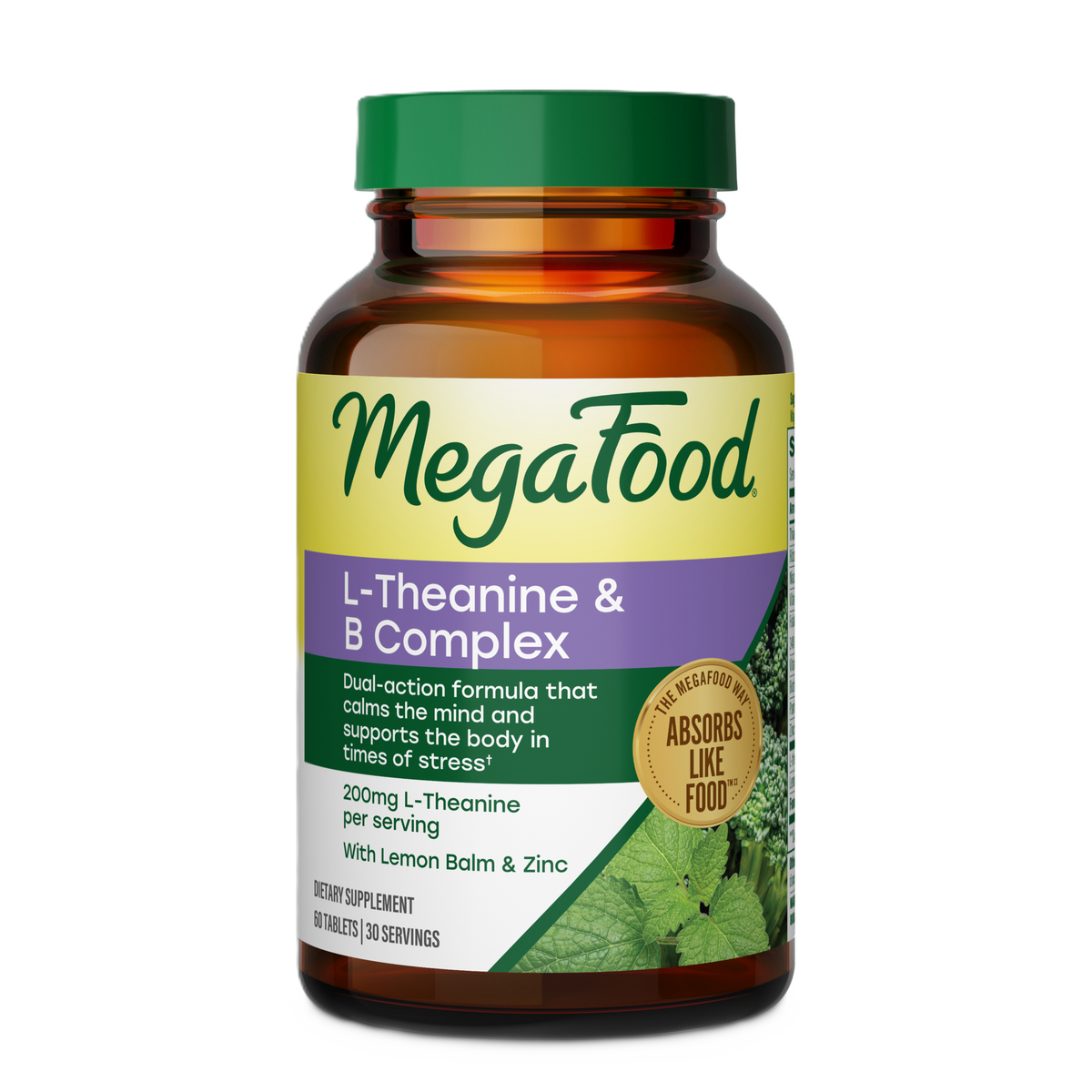
Some people also include adaptogens and calming nutrients as part of their routine. Ashwagandha Gummies offer a convenient, easy-to-take format to help support the body’s stress response, while L-Theanine & B Complex combines calming and energy-supporting nutrients to relax the mind within one hour and support whole-body wellness. †
Together, these types of supplements can complement movement practices that emphasize recovery, mindfulness, and overall balance.
A simple stack for recovery-focused movement might include:
- Magnesium to support muscle relaxation†
- Ashwagandha to support a healthy stress response†
- L-theanine and B vitamins to support calm and and a healthy nervous system†
A flexible approach to movement and support
Most people don’t move in just one way. You might combine strength training with yoga, or alternate between high-intensity workouts and lower-impact recovery days.
Because of that, your supplement routine doesn’t need to be rigid. You can build a simple foundation, then layer in additional support based on how your body feels and how your routine evolves. If running is your primary form of movement, you can also explore our dedicated running supplement stack for more tailored support.
A note on personalization
Nutritional needs can vary based on diet, lifestyle, and individual health considerations. It may be helpful to work with a healthcare provider to better understand your nutritional needs and determine what type of support is right for you.




Leave a comment
This site is protected by hCaptcha and the hCaptcha Privacy Policy and Terms of Service apply.