




Reviewed for scientific accuracy by Dr. David Gundermann, PhD, Nutrition Scientist
Longevity is often discussed in terms of physical health, energy production, and resilience over time. But one of the most important parts of healthy aging is cognitive function—the ability to think clearly, stay focused, remember information, adapt to change, and remain engaged in daily life.
Brain health shapes how we experience healthspan. While lifespan reflects how long we live, healthspan reflects how well we function during those years. Mental clarity, memory, emotional balance, and the ability to stay connected to others all play a major role in independence and quality of life across the lifespan.
Supporting brain health is not simply about aging well later in life. It is about maintaining the systems that help us learn, work, communicate, and navigate life every day.
How Cognitive Function Reflects Healthspan
Cognitive function influences nearly every part of daily living. Focus, memory, decision-making, learning, mood regulation, and communication all depend on the health of the brain and nervous system.
As we age, maintaining these functions becomes closely tied to overall wellbeing. Brain health supports independence, productivity, relationships, and emotional resilience. It also helps us stay engaged in physical activity, social connection, and the routines that contribute to long-term wellness.
In longevity science, cognitive health is an important part of healthspan because it shapes how fully we are able to participate in life over time.
What Supports Brain Function
The brain is one of the most energy-demanding organs in the body. Although it makes up only a small percentage of total body weight, it uses about 20% of the body’s energy each day.[1]
Brain cells, called neurons, rely on a steady supply of oxygen, nutrients, and energy to communicate effectively. These cells form networks through connections called synapses, where information is passed throughout the nervous system.
Healthy circulation helps deliver oxygen and nutrients to the brain, while sleep supports important restoration and maintenance processes. During sleep, the brain supports pathways involved in clearing metabolic waste, a process connected to the glymphatic system.[2]
The brain also depends on neuroplasticity—the ability to adapt, form new connections, and respond to new experiences. This process is influenced by movement, learning, sleep, nutrition, and overall metabolic health.
How Brain Health Changes Over Time
Like other systems in the body, the brain changes gradually with age. These changes are influenced by both biology and lifestyle patterns over time.
Cellular energy production may become less efficient, affecting how brain cells meet their energy needs. Oxidative stress can develop, creating more demand for the body’s natural antioxidant protective mechanisms. Sleep quality may shift, and long-term stress can influence sleep, mood, focus, and nervous system balance.
Circulation also plays an important role. Because the brain depends heavily on oxygen and nutrient delivery, cardiovascular and vascular health help support long-term cognitive function.
These changes are a normal part of aging, but daily habits—including nutrition, movement, sleep, and stress management—can help support how well these systems function across the lifespan.
How Nutrition Supports Brain Health
The brain depends on a wide range of nutrients to support structure, signaling, energy production, and long-term resilience.
Omega-3 fatty acids, especially DHA, are important components of cell membranes. DHA is found in especially high amounts in the brain and retina, where it helps support normal structure and function.[3]
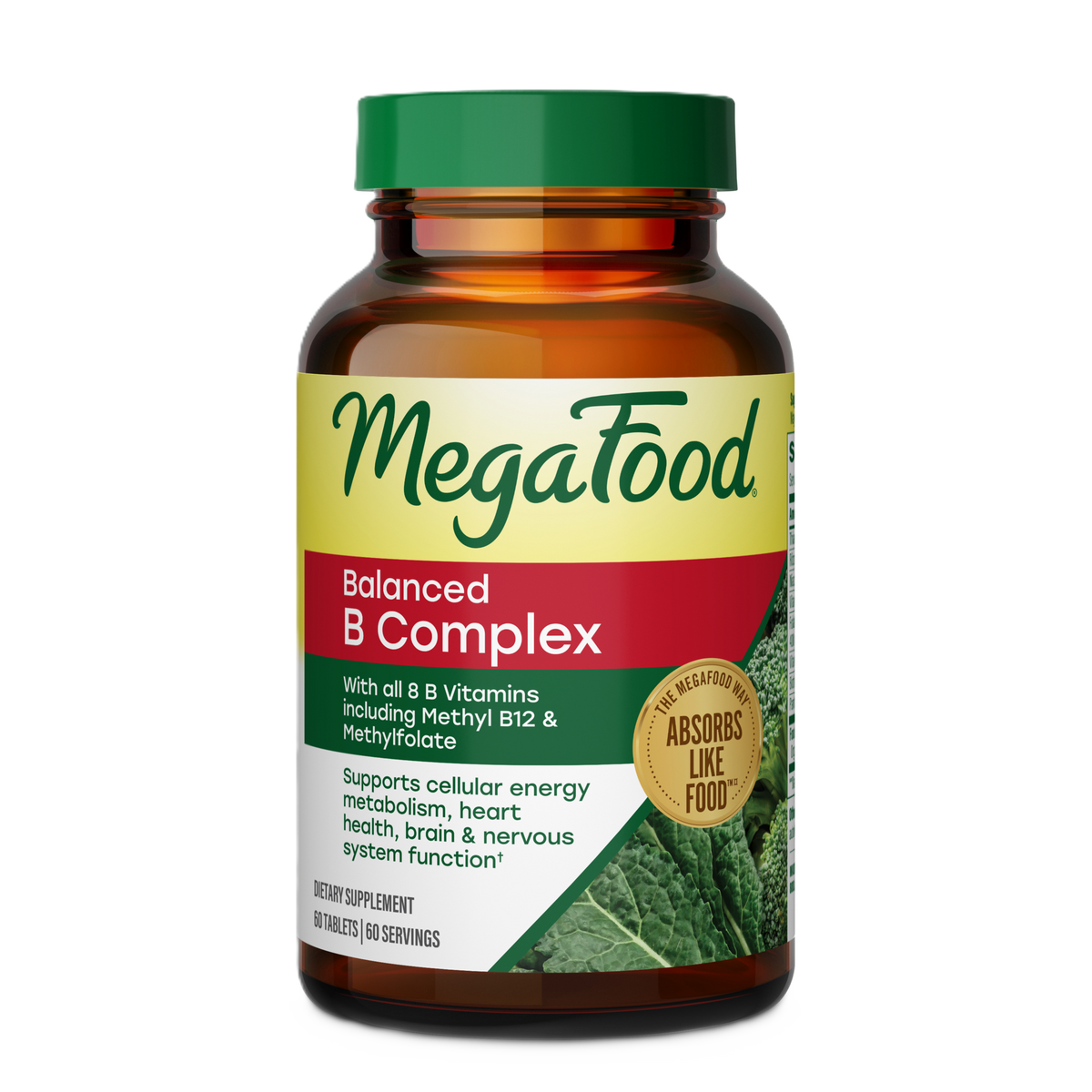
B vitamins, especially vitamins B6, B12, and folate, support nervous system function and are involved in homocysteine metabolism and energy-related pathways.[4]
Magnesium supports normal muscle and nerve function and acts as a cofactor in hundreds of enzyme systems throughout the body.[5] Because relaxation is a function of the nervous system, supporting daily nervous system health with adequate magnesium can be part of a broader indirect approach to maintaining a healthy relaxed mental state.
Choline helps the body produce acetylcholine, a primary neurotransmitter that relays information from one neuron to the next which can be involved in memory, mood, muscle control, and other brain and nervous system functions.[6]
Antioxidants such as vitamins A, C and E, along with colorful plant compounds called polyphenols, help protect cells from oxidative stress. These nutrients are commonly found in berries, leafy greens, cacao, herbs, and other whole foods.
Protein also plays an important role by providing amino acids needed to build neurotransmitters and support normal brain signaling.
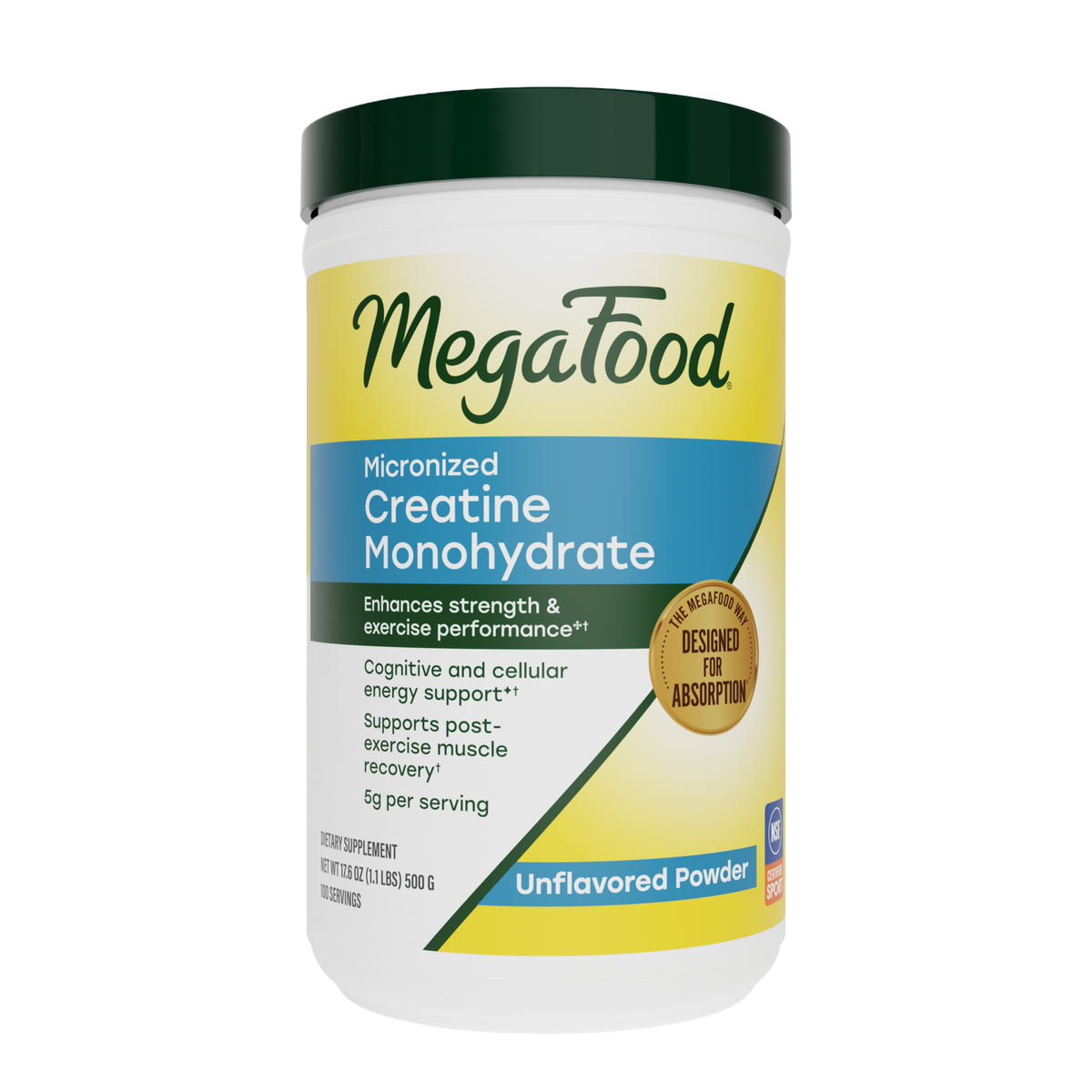
Creatine also plays an important role in cellular energy production. While it is often associated with muscle health, creatine helps support energy regeneration throughout the body, including in the brain, where energy demands are especially high.[7] This has been shown to support normal cognitive function during the aging process.
Functional mushrooms are also gaining attention for their potential role in supporting cognitive health. Varieties like Lion’s mane, Reishi, and Cordyceps have long histories of traditional use and are often included in wellness routines focused on focus, resilience, and nervous system support.
Lion’s mane, in particular, has been studied for its ability to support healthy nerve function and brain health. Emerging research continues to explore how compounds found in lion’s mane may help support cognitive function and healthy aging, though more research is still needed.[8]
As with many areas of nutrition, consistency and overall lifestyle patterns matter most.
Even hydration matters. Mild dehydration can affect focus, concentration, and mental clarity, making consistent hydration an often-overlooked part of brain health.
How Lifestyle Shapes Cognitive Longevity
Brain health is shaped by daily patterns, not isolated moments.
Regular physical activity supports brain health by helping maintain thinking, learning, problem-solving, emotional balance, and sleep quality.[7] Movement also supports circulation, which helps deliver oxygen and nutrients throughout the body, including to the brain.
Sleep is one of the most important foundations of cognitive health. It supports memory, learning, nervous system recovery, and the brain’s natural maintenance processes.
Stress management also matters. Long-term stress can influence sleep, mood, focus, and nervous system balance. Practices that support recovery—such as mindfulness, time outdoors, social connection, and rest—help support resilience.
Mental engagement plays an important role as well. Learning new skills, reading, problem-solving, creativity, and meaningful social interaction all help support cognitive function over time.
Blood sugar balance and overall metabolic health also influence brain function, reinforcing the connection between whole-body health and long-term cognitive wellbeing.
Supporting Brain Health for the Long Term
Brain health is shaped by consistent patterns that support resilience over time. In practice, this comes down to a few foundational habits:
- Prioritizing nutrient-dense foods that support nervous system function
- Supporting key nutrients like omega-3s, B vitamins, magnesium, choline, creatine, and antioxidants
- Maintaining regular movement and quality sleep
- Managing stress and allowing time for recovery
- Staying mentally engaged and socially connected
Longevity is not only about living longer. It is about staying clear, capable, connected, and engaged throughout the years. Supporting brain health helps support not just how long we live—but how fully we experience life along the way.
Explore the rest of our Longevity Series to learn how nutrition and daily habits support healthy aging—from foundational longevity principles to skin health, joint health, and more ways to support wellness across the lifespan.
References
[1] NIH / NCBI. Brain energy metabolism and the brain’s high energy demand.
[2] National Institutes of Health. Brain waste-clearance system shown in people for first time.
[3] NIH Office of Dietary Supplements. Omega-3 Fatty Acids Fact Sheet for Health Professionals.
[4] NIH Office of Dietary Supplements. B Vitamins and Homocysteine Metabolism Resources.
[5] NIH Office of Dietary Supplements. Magnesium Fact Sheet for Health Professionals.
[6] NIH Office of Dietary Supplements. Choline Fact Sheet for Health Professionals.
[7] Kreider RB, Kalman DS, Antonio J, et al. International Society of Sports Nutrition position stand: safety and efficacy of creatine supplementation in exercise, sport, and medicine. Journal of the International Society of Sports Nutrition. 2017.
[8] Friedman M. Chemistry, nutrition, and health-promoting properties of Hericium erinaceus (Lion’s Mane) mushroom fruiting bodies and mycelia and their bioactive compounds. Journal of Agricultural and Food Chemistry. 2015.
[9] CDC. Physical Activity Boosts Brain Health.




Leave a comment
This site is protected by hCaptcha and the hCaptcha Privacy Policy and Terms of Service apply.